For years, I thought the biggest challenge in mining was finding resources. But the more I studied the industry, the clearer it became that the real bottleneck is processing and refining.
The United States has abundant mineral resources, yet we continue to export raw materials and import finished metals, creating economic inefficiency and strategic risk. Expanding domestic refining capacity is difficult because of high capital costs, complex permitting, and environmental compliance requirements.
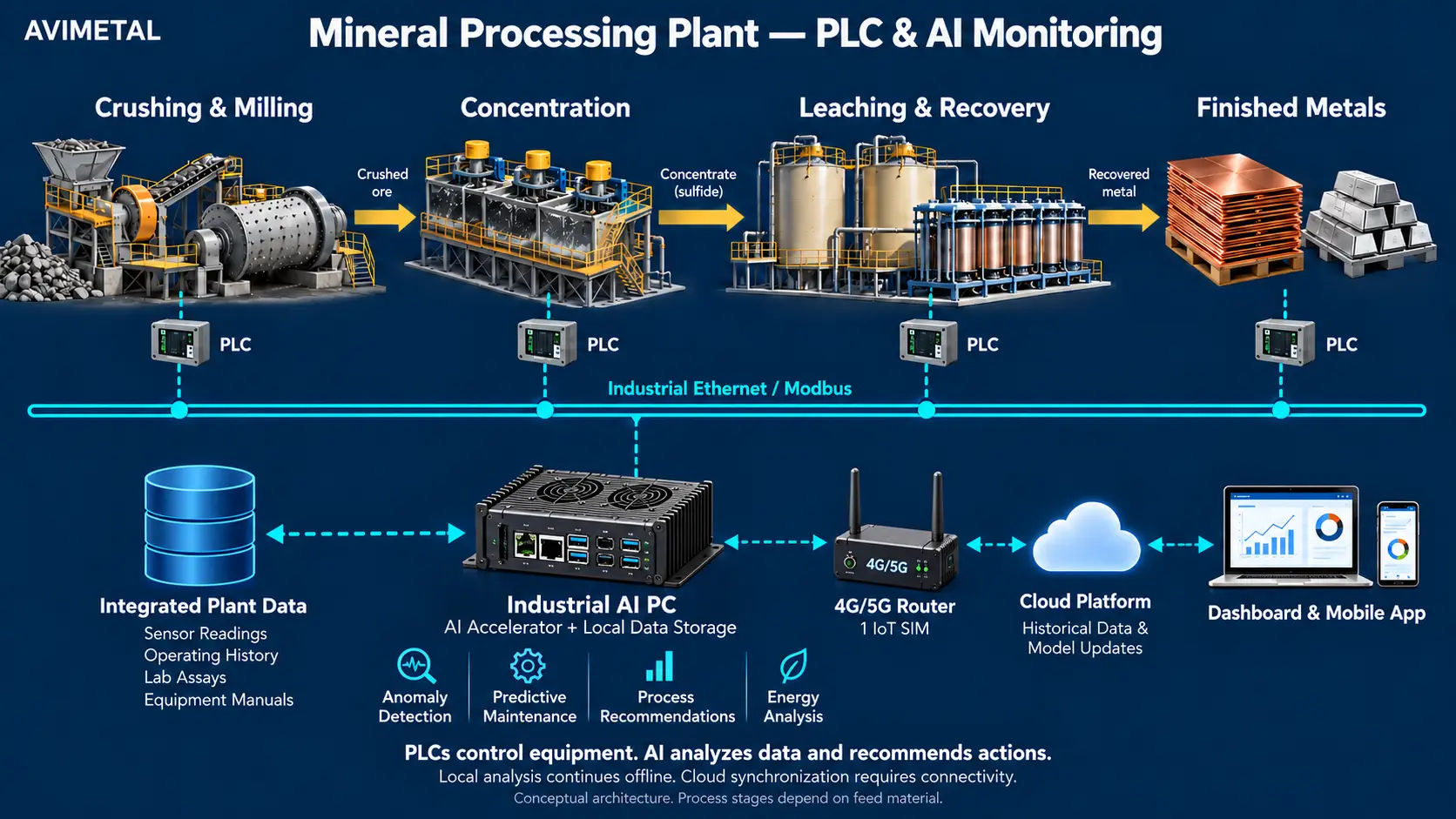
To address this, I have been developing a three-year pilot-scale project focused on zinc processing while also recovering high-value elements such as gallium and germanium. The objective is to validate a flexible, scalable system that can adapt to market needs and optimize recovery early in the process.
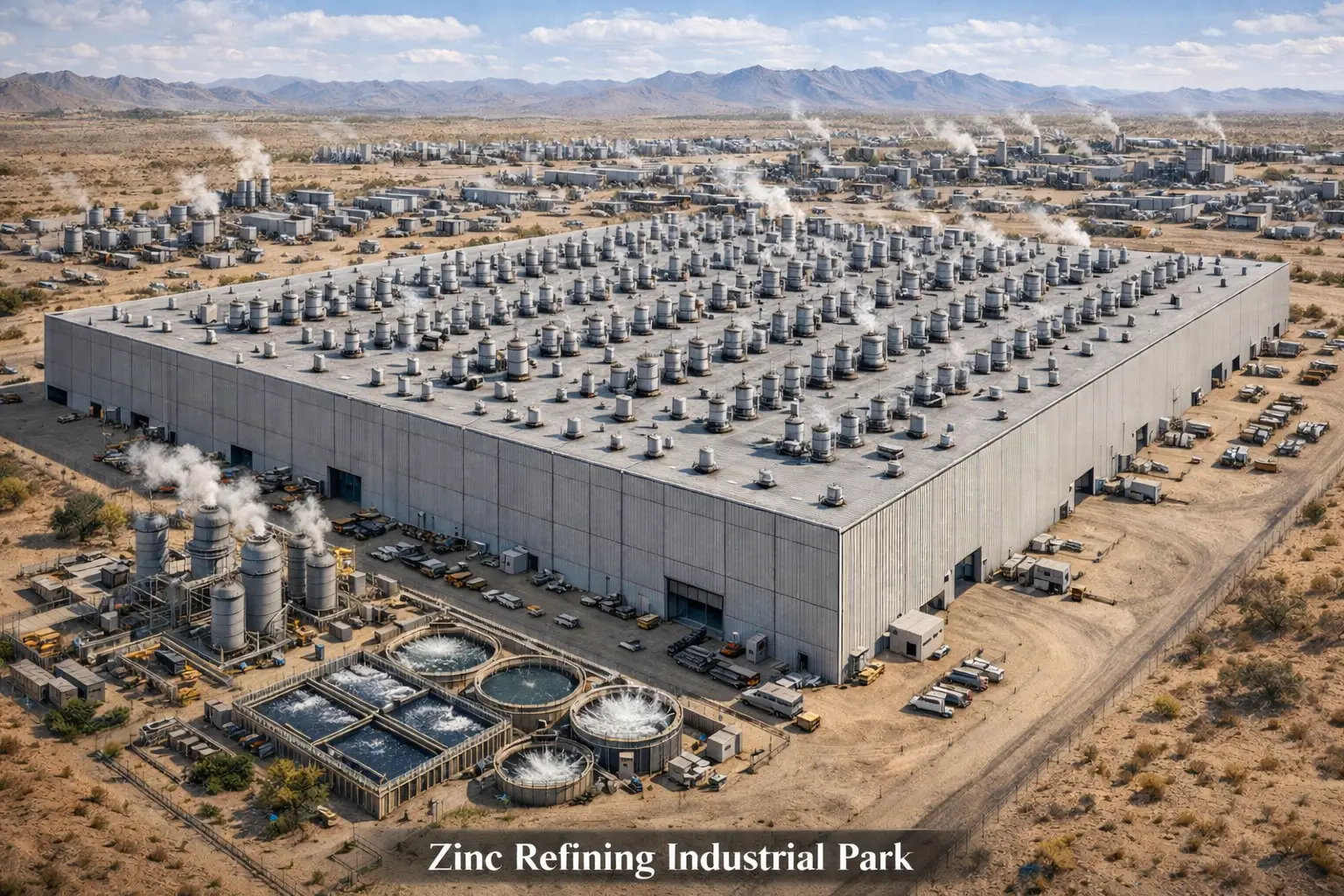
Beyond the pilot, the larger opportunity is to rethink how refining infrastructure is developed. Instead of requiring every company to build an expensive standalone facility, we can create centralized industrial parks with shared utilities, environmental treatment systems, and coordinated permitting support.
Qualified tenants would lease facilities suited to defined processing activities, allowing them to focus more of their investment on equipment, technology, and operations. Each tenant would remain responsible for its applicable permits and environmental obligations.
This model could lower barriers to entry, shorten deployment schedules, and support expansion by enabling smaller operators to contribute to domestic processing capacity alongside larger projects.
Rebuilding supply chains requires investment in the systems that turn mineral resources into usable metals. Shared industrial infrastructure offers a way to retain more value domestically, reduce dependence on overseas processing, and broaden participation in the industry.