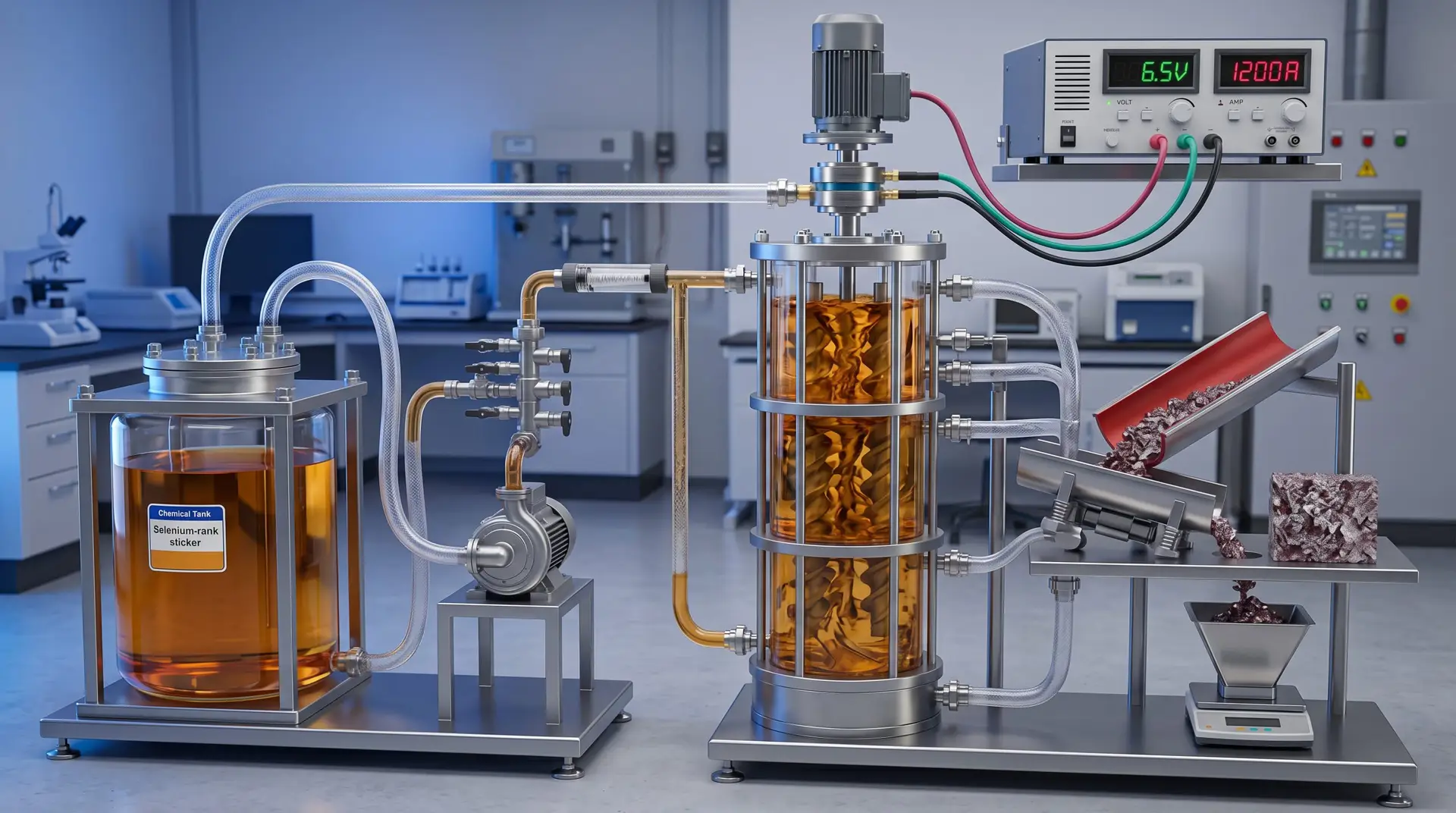
In mineral processing, one of the most critical steps before extracting maximum value from ore is the removal of sulfides. Sulfide minerals can trap valuable metals such as gold, silver, and PGMs, making recovery inefficient if not properly treated. To unlock these values, several industrial methods are used—each with its own advantages depending on ore type, scale, and operating conditions.
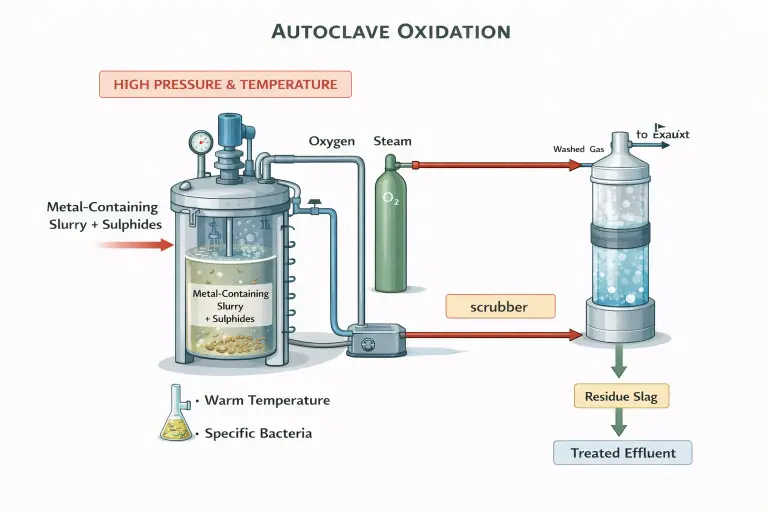
The first and most widely used method is autoclave processing. This high-pressure, high-temperature oxidation process is highly effective for refractory ores. By breaking down sulfide structures under controlled conditions, autoclaves allow precious metals to be liberated and made available for downstream recovery processes such as cyanidation or electrowinning. While capital-intensive, this method delivers consistent and high recovery rates.
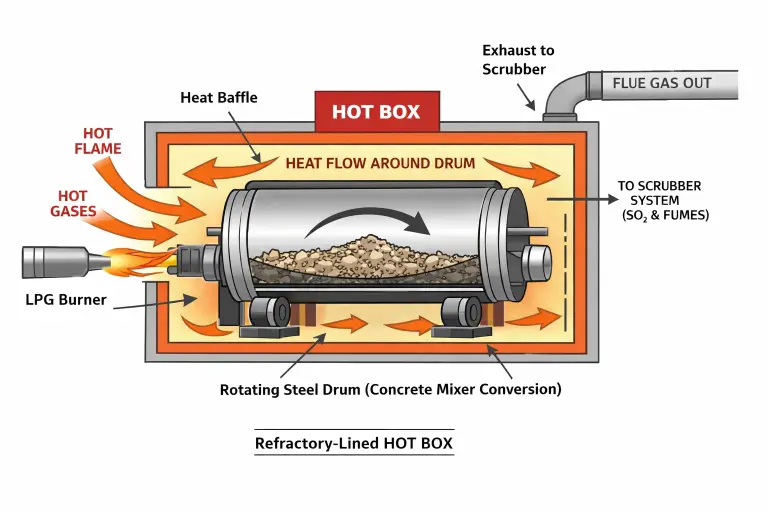
The second method is the rotary kiln, which utilizes thermal treatment to oxidize sulfide minerals. Through controlled heating, sulfur is removed as gas, leaving behind oxidized material that is easier to process. Rotary kilns are relatively simple and robust, making them suitable for continuous operations, although they require careful control of emissions and energy consumption.
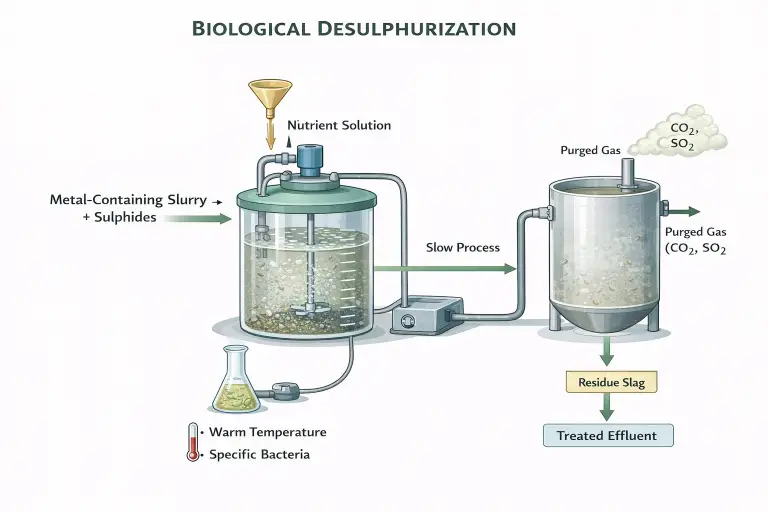
A more environmentally adaptive approach is bio-oxidation (bioleaching). This method uses naturally occurring bacteria to break down sulfide minerals over time. While slower than thermal or pressure-based systems, bio-processing is cost-effective and consumes less energy. It is particularly suitable for low-grade ores or remote operations where infrastructure is limited.
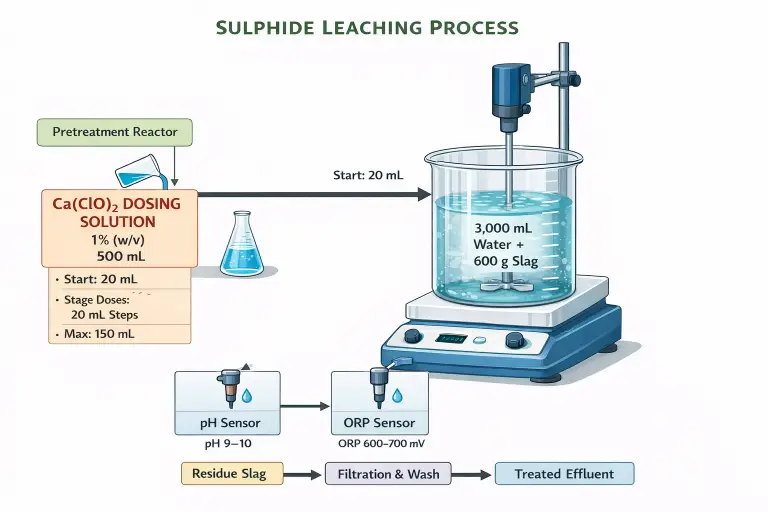
The fourth method is chemical leaching using calcium hypochlorite (CaClO₂). This process chemically oxidizes sulfides at relatively low temperatures, providing a faster alternative to biological methods without the need for extreme pressure or heat. It offers flexibility and lower capital cost, though reagent handling and process control are important considerations.
Each of these methods plays a vital role in modern mineral processing. The choice depends on factors such as ore composition, project scale, environmental constraints, and economic targets. As the industry moves toward higher efficiency and lower environmental impact, integrating the right sulfide removal strategy is essential for maximizing metal recovery.
Ultimately, successful processing is not just about extraction—it begins with unlocking the ore.