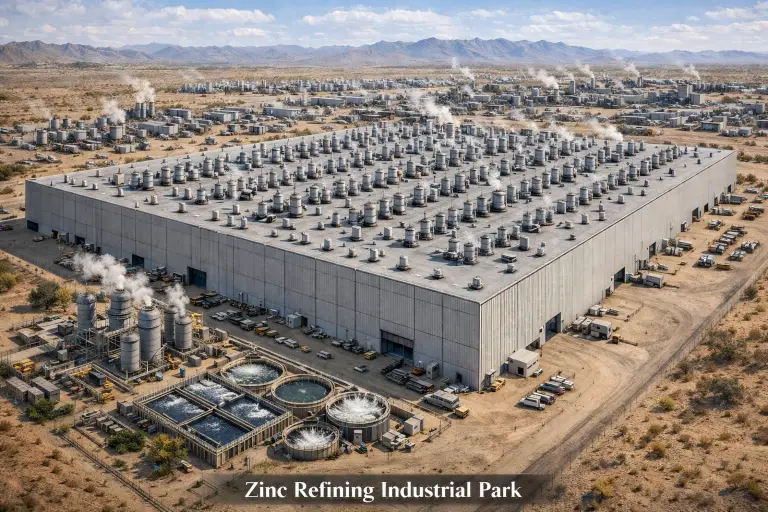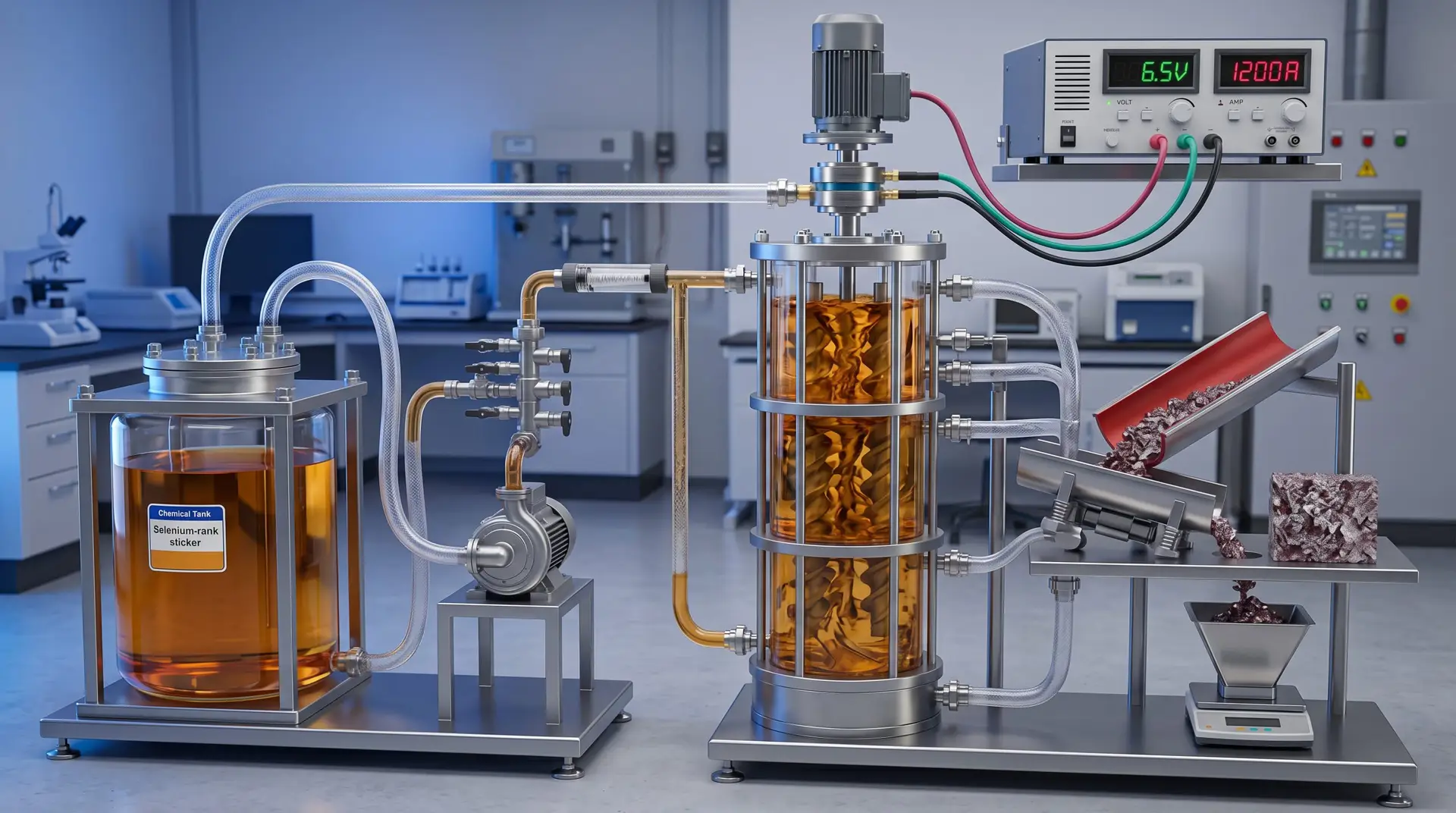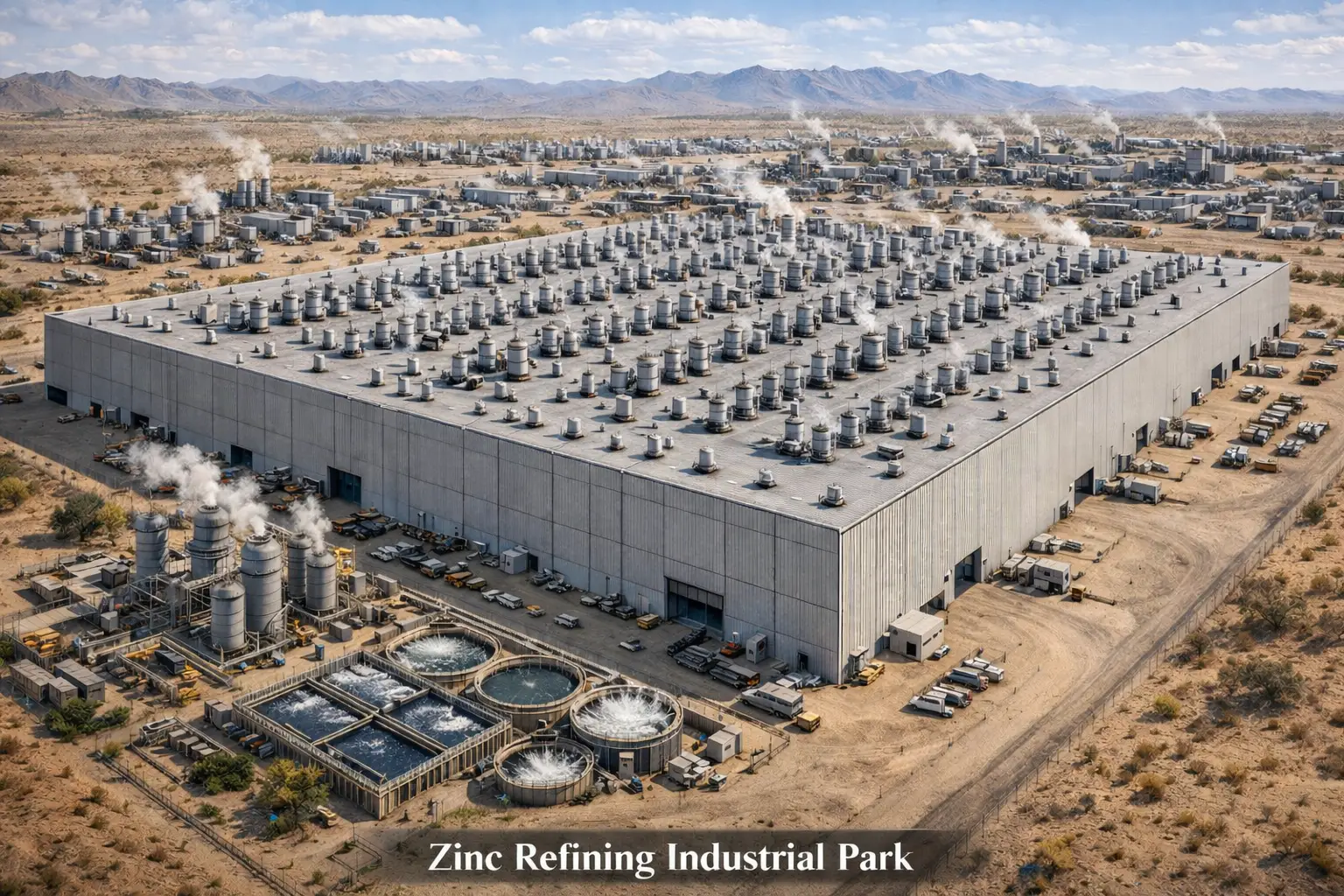
For years, I thought the biggest challenge in mining was finding resources, but the more I studied the industry, the clearer it became that the real bottleneck is not in the ground—it’s in processing and refining. The United States has abundant mineral resources, yet we continue to export raw materials and import finished metals, creating both economic inefficiency and strategic risk, largely because domestic refining infrastructure is limited and difficult to build due to high capital costs, complex permitting, and environmental compliance barriers . To address this, I’ve been working on a pilot-scale approach—a 3-year integrated processing plant focused on zinc while also recovering high-value elements like gallium and germanium—to validate a more flexible, scalable system that can adapt to market needs and optimize recovery early in the process . But beyond the pilot, the bigger idea is rethinking the entire structure of refining: instead of every company building expensive standalone facilities, we create centralized industrial parks where infrastructure such as environmental systems, utilities, and compliance are shared, allowing companies to focus purely on processing and innovation. This model significantly lowers barriers to entry, accelerates deployment, and enables scalable growth by allowing many smaller operators to contribute to domestic capacity rather than relying on a few massive projects. Ultimately, rebuilding supply chains is not just about mining more—it’s about building smarter, more efficient systems that keep value creation local, reduce dependency, and unlock participation at scale.