Challenges in Accurate Ore Assay and Industry Limitations
The mining industry continues to struggle with obtaining accurate and representative assay results. Despite significant spending on laboratory testing, results often fail to reflect the true value of ore—leading to financial losses, incorrect valuations, and disputes during settlement.
Limitations of Common Analytical Methods
Widely used analytical methods such as Atomic Absorption (AA), Inductively Coupled Plasma (ICP), and X-Ray Fluorescence (XRF) typically analyze only small samples (around 30 grams).
This limited sample size is insufficient for ores with heterogeneous distribution, particularly those containing gold and platinum group metals (PGMs). As a result, these methods frequently produce results that do not represent the overall ore body.
Flaws in Fire Assay Using Lead Oxide
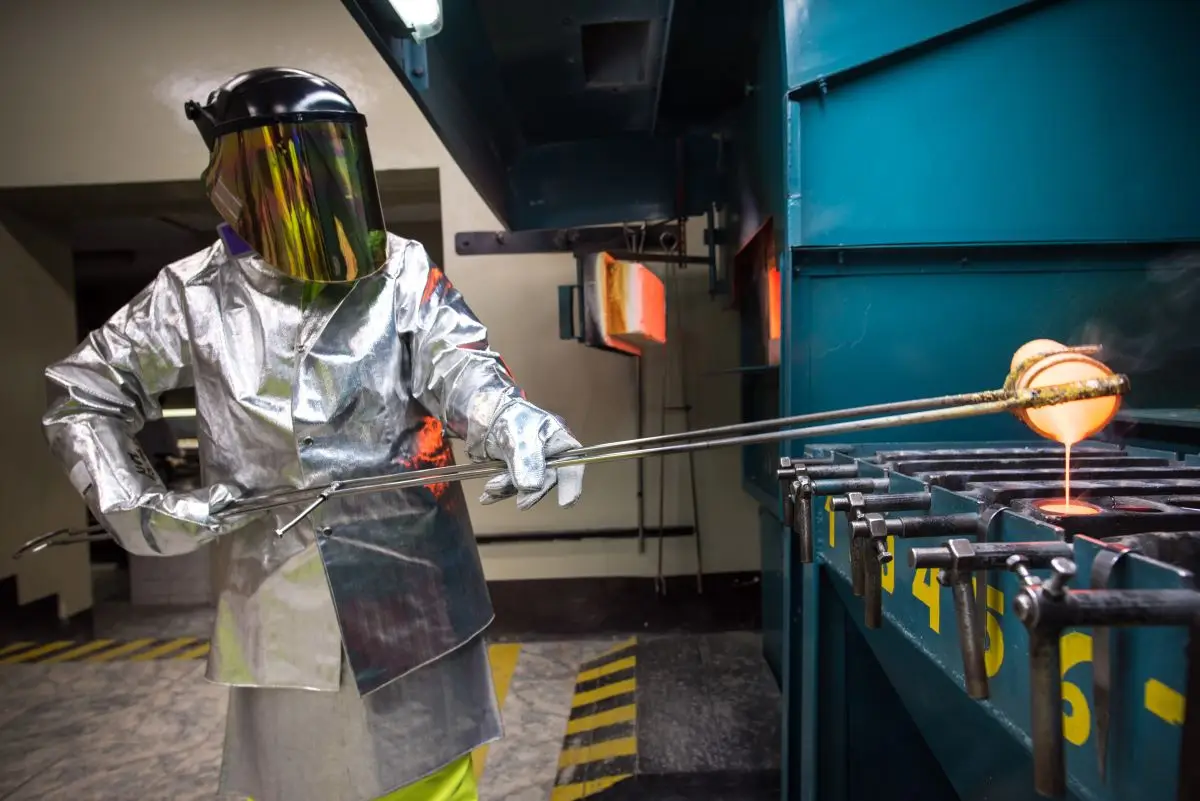
Fire assay with lead oxide (litharge) remains the industry standard, especially for gold analysis. However, it has several critical weaknesses:
- Inefficient recovery from sulfide ores and micron-sized gold in silicate matrices
- Results can vary depending on the litharge-to-ore ratio, potentially inflating recovery artificially
- Poor recovery of PGMs, particularly from refractory or complex ores
Despite these limitations, this method is still widely used for payment settlement, contributing to systematic undervaluation.
Superior Alternatives Overlooked
More effective collection methods exist but are largely ignored:
- Copper collectors: Higher efficiency for precious metal recovery
- Nickel oxide and iron powder collectors: Superior for PGM extraction
However, these methods are rarely accepted in commercial assay protocols due to industry inertia and outdated standards.
The Sampling Problem
A major source of error lies in inadequate sample size and preparation:
- Standard 30g samples are not representative of bulk ore
- Proper sampling should involve hundreds of grams to kilograms
- Pre-treatment is essential, especially:
- Roasting sulfide ores
- Oxidizing silica-rich materials
Without proper preparation, even advanced analytical methods will yield misleading results.
Need for Industry Reform
Even certified laboratories (e.g., SGS) often follow rigid procedures that fail to address complex ore types. To improve accuracy, the industry must:
- Adopt modern collection methods (copper, nickel oxide, iron)
- Require larger, more representative samples
- Ensure proper ore pre-treatment before testing
- Reduce reliance on 30g ICP assays for financial settlement
Conclusion
Current assay practices are inadequate for complex ores, particularly those rich in sulfides, silicates, and PGMs.
Accurate valuation depends on:
- Representative sampling
- Proper ore preparation
- Advanced and appropriate collection methods
Miners must take control of their sampling process and push for modernization. Continuing to rely on outdated standards will only lead to undervaluation and lost revenue.