Advanced Metallurgical Processing Techniques
Introduction
Mining projects often lose value not in the ground, but in the plant. Many operators struggle with low recovery, unstable feed grades, high reagent use, rising power costs, and environmental pressure from regulators and local communities. If your processing route is outdated, you may be leaving metal, margin, and investor confidence on the table.
That is why Advanced Metallurgical Processing Techniques matter. These methods help you recover more valuable metals from complex ores, improve plant efficiency, reduce waste, and create a more bankable operation. For mining companies, industrial buyers, engineers, and investors, this is not just a technical topic. It is a commercial decision that affects project economics, expansion planning, and long-term competitiveness.
This guide explains Advanced Metallurgical Processing Techniques in simple, practical language, with real industrial context and a strong focus on high-demand mining regions such as Peru, Bolivia, Mexico, Colombia, Ghana, Tanzania, Indonesia, and the Philippines.
Table of Contents
| Sr# | Headings |
|---|---|
| 1 | Overview of Advanced Metallurgical Processing Techniques |
| 2 | Why Modern Mining Operations Need Advanced Processing |
| 3 | Step-by-Step Process Explanation |
| 4 | Ore Types and Feed Preparation Considerations |
| 5 | Core Equipment Used in Modern Metallurgical Plants |
| 6 | Plant Capacity Options from 10 to 1000 TPD |
| 7 | Energy Consumption Details |
| 8 | Cost Estimation: Low, Medium, and High Investment Cases |
| 9 | ROI and Profitability Analysis |
| 10 | Comparison with Traditional Methods |
| 11 | Environmental Benefits |
| 12 | Real-World Use Cases and Applications |
| 13 | Country-Specific Demand and Market Opportunity |
| 14 | How to Choose the Right Plant Configuration |
| 15 | Conclusion |
| 16 | FAQs |
1. Overview of Advanced Metallurgical Processing Techniques
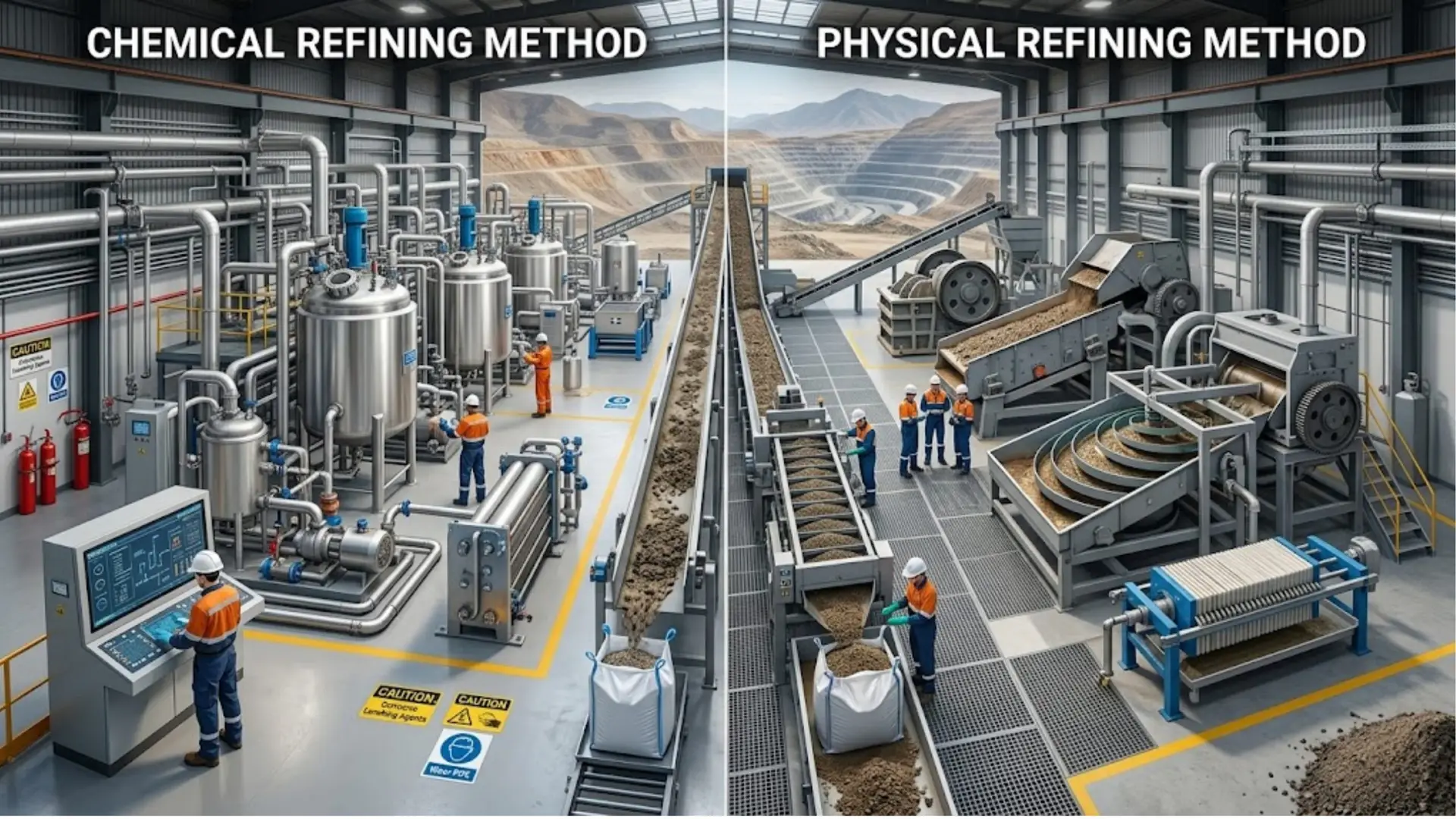
Advanced Metallurgical Processing Techniques are modern methods used to extract, concentrate, separate, refine, and recover metals more efficiently from ore, concentrates, tailings, and secondary materials. These techniques go beyond simple crushing and basic recovery. They combine physical, chemical, thermal, and hydrometallurgical steps in a smarter and more controlled way.
In simple terms, think of the process like filtering dirty water through several stages. A basic filter removes large particles, but advanced purification removes the tiny contaminants that still hold value or cause problems. Metallurgy works in a similar way. Basic plants may recover the easy metal. Advanced plants are designed to recover the difficult metal too.
These systems are especially useful for:
complex ores
refractory ores
low-grade deposits
polymetallic feed
artisanal and small-scale mine upgrades
tailings reprocessing projects
For buyers and investors, the main benefit is clear: better recovery means more sellable metal per ton processed.
2. Why Modern Mining Operations Need Advanced Processing
Many mining sites still rely on traditional methods that were suitable when ore grades were higher and energy was cheaper. Today, ore bodies are becoming more complex. Operators must deal with sulfides, arsenic-bearing minerals, clay-rich feed, fine particle losses, and inconsistent feed quality.
Advanced Metallurgical Processing Techniques help solve these issues by improving control at each stage of the plant. You can optimize liberation, increase recovery, reduce metal losses to tailings, and improve final product quality.
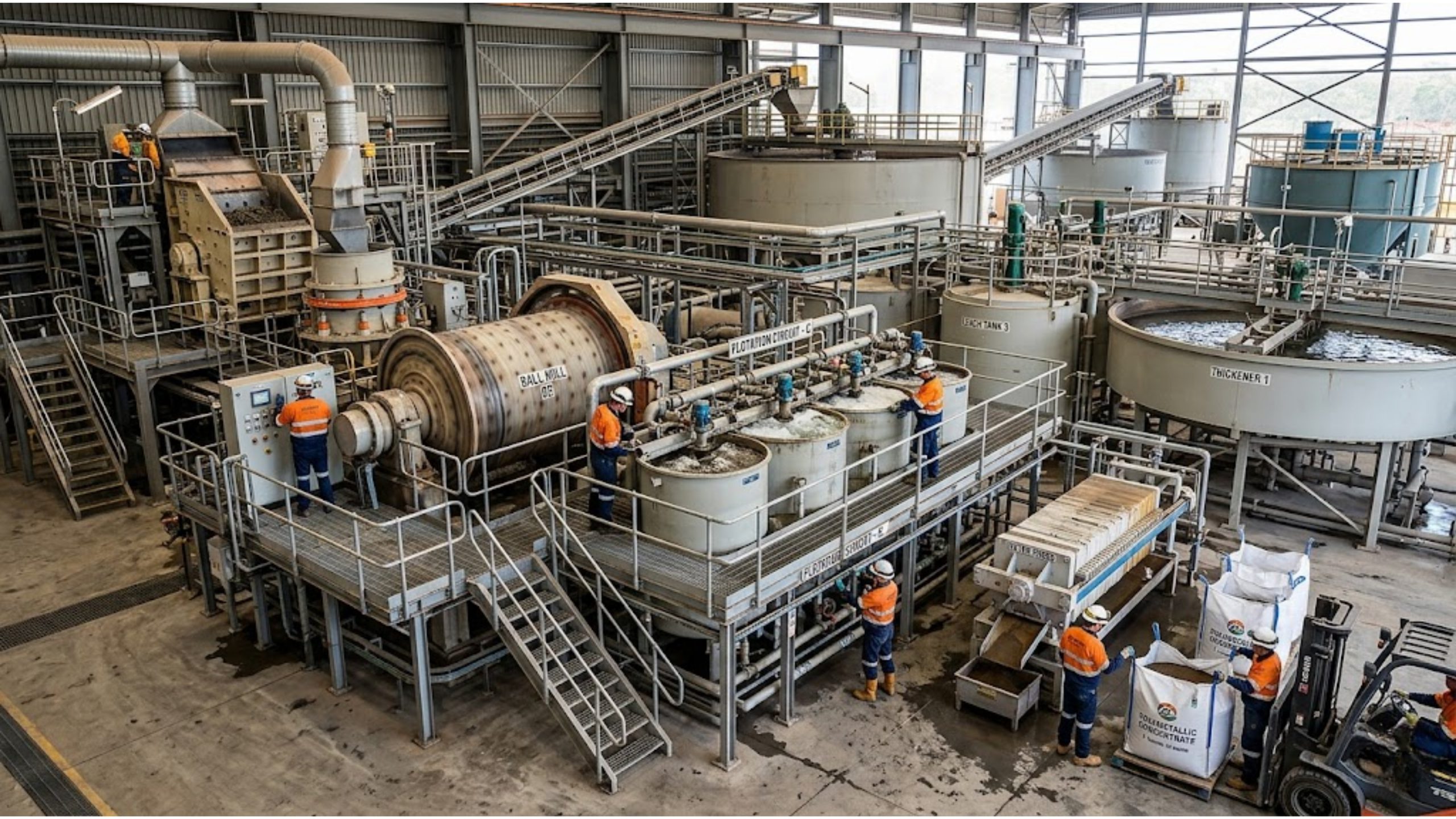
Key business reasons to adopt advanced processing
Higher recovery rates
Even a small increase in recovery can create a major jump in annual revenue.
Better handling of difficult ores
Refractory and mixed ores need more than standard gravity or flotation alone.
Lower operating risk
Modern controls reduce plant instability and improve consistency.
Stronger investor appeal
Projects with efficient process flow sheets often look more financeable.
Improved environmental performance
Cleaner circuits and lower waste generation support compliance and sustainability goals.
3. Step-by-Step Process Explanation
The exact flow sheet depends on the mineral and site conditions, but most Advanced Metallurgical Processing Techniques follow a structured sequence.
Step 1: Ore sampling and metallurgical testing
The process starts with representative sampling. Bench-scale and pilot-scale tests identify mineralogy, liberation size, recovery potential, reagent behavior, and possible bottlenecks.
Step 2: Crushing and grinding
Ore is reduced in size to liberate valuable minerals from waste rock. Fine control here is critical because overgrinding can increase slimes and reduce downstream efficiency.
Step 3: Classification and separation
Screens, cyclones, and classifiers split particles by size. This improves downstream recovery and keeps each process section working efficiently.
Step 4: Concentration
Depending on the ore, concentration may include:
gravity separation
flotation
magnetic separation
electrostatic separation
This stage upgrades the valuable fraction before refining or further treatment.
Step 5: Chemical or thermal treatment
For complex ores, additional treatment may be needed. This can include leaching, oxidation, roasting, pressure oxidation, or other hydrometallurgical steps.
Step 6: Metal recovery
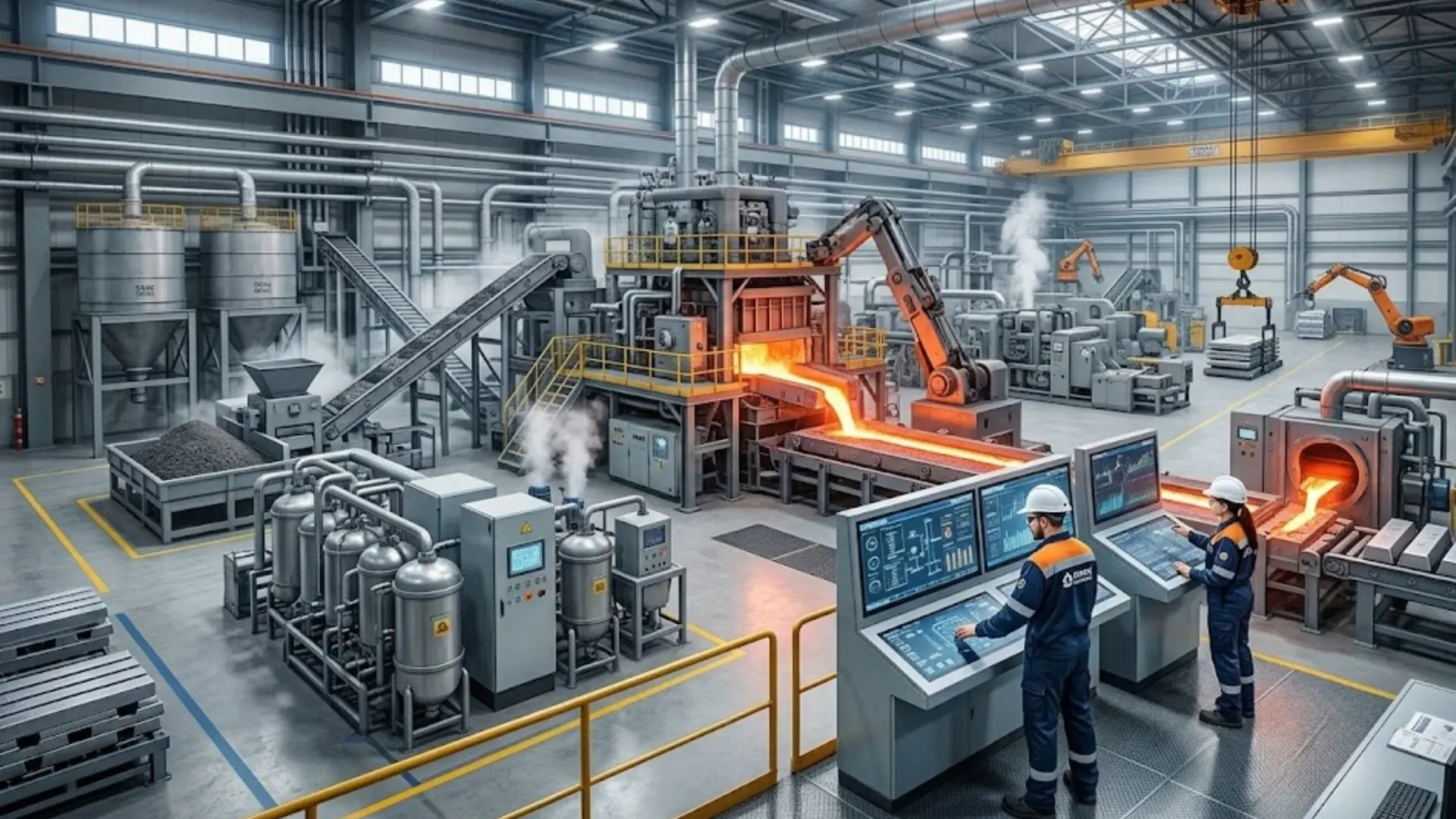
Metals are recovered from solution or concentrate through precipitation, electrowinning, solvent extraction, smelting, or refining.
Step 7: Tailings and water management
Modern plants include water recycling, detox systems, tailings thickening, and environmental safeguards.
Step 8: Product finishing and quality control
Final products are filtered, dried, packaged, or cast based on market requirements.
This step-by-step approach is what makes Advanced Metallurgical Processing Techniques more reliable than simple one-stage recovery systems.
4. Ore Types and Feed Preparation Considerations
Not all ore behaves the same way. A plant that works well in Mexico may need modification for ore in Ghana or Indonesia. That is why feed characterization is so important.
Common ore categories
Oxide ores
Often easier to treat, especially with leaching.
Sulfide ores
Usually require flotation and, in some cases, oxidation before recovery.
Refractory ores
Can trap valuable metal inside sulfides or carbonaceous material.
Polymetallic ores
Contain more than one valuable metal, such as gold-copper-silver or lead-zinc-silver.
Why feed preparation matters
If your ore is not prepared correctly, the whole plant suffers. Poor crushing size, inconsistent moisture, and variable feed grade can reduce recovery and increase cost. Advanced plants use blending, controlled grinding, and test-based reagent strategies to keep performance stable.
5. Core Equipment Used in Modern Metallurgical Plants
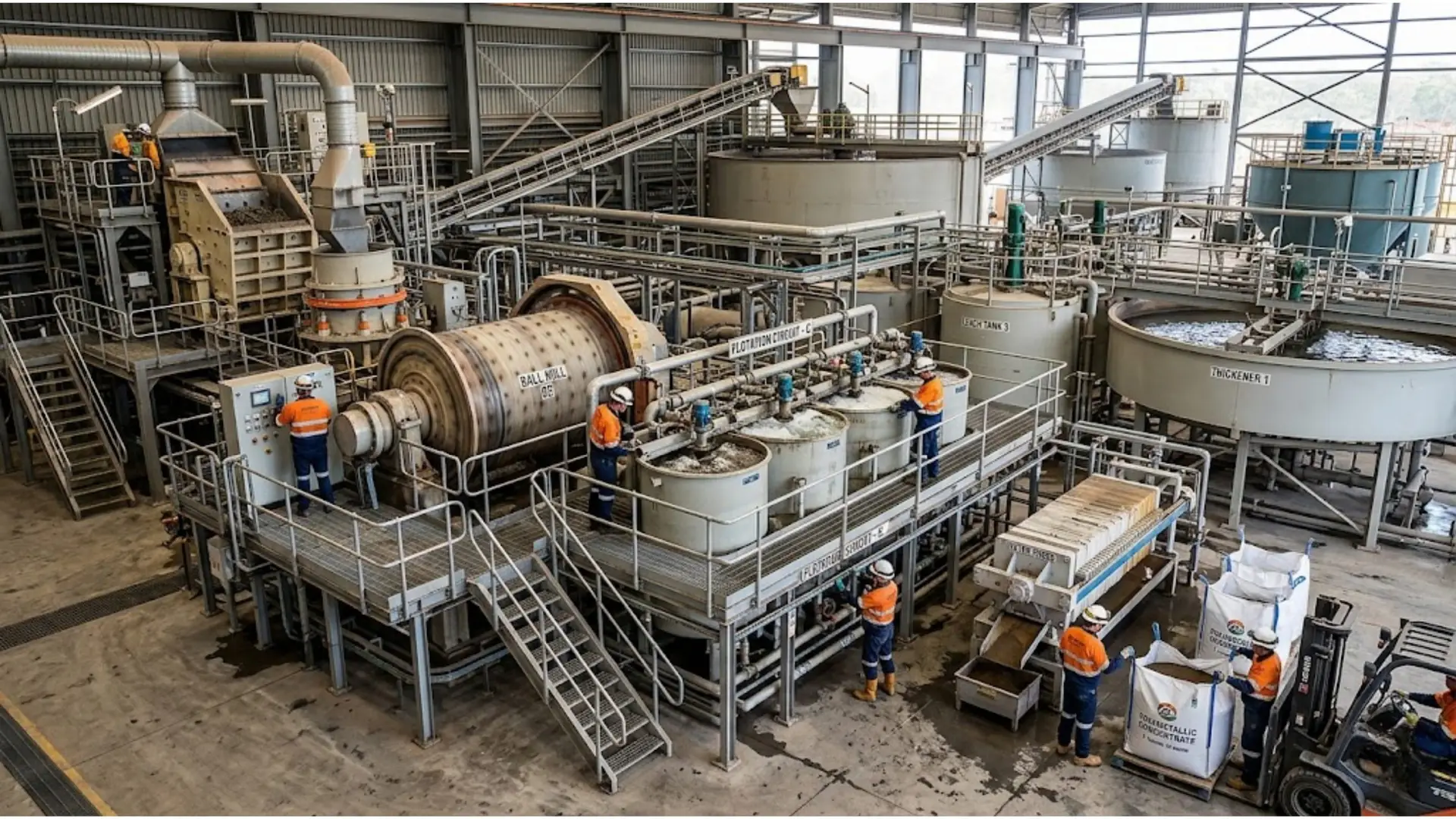
A well-designed plant combines equipment based on ore type, target metal, and production scale. Typical equipment may include:
-
Jaw crushers
-
Cone crushers
-
Ball mills
-
Rod mills
-
Hammer mills
-
Vibrating screens
-
Hydrocyclones
-
Gravity concentrators
-
Shaking tables
-
Flotation cells
-
Thickeners
-
Leach tanks
-
Agitators
-
Filter presses
-
Electrowinning cells
-
Smelting furnaces
-
Dryers
-
Dust collection systems
-
Water recycling systems
-
Laboratory testing equipment
-
PLC and process control systems
For buyers, equipment selection should never be based on price alone. The right plant is the one that fits your ore and business model. This is where integrated solutions such as a modular refining plant can reduce installation time and improve scalability.
6. Plant Capacity Options from 10 to 1000 TPD
One of the strengths of Advanced Metallurgical Processing Techniques is flexibility. Plants can be built for small miners, mid-size operators, or large commercial projects.
10 to 50 TPD
Best for:
small mines
pilot plants
demonstration projects
remote sites
These plants are often modular, easier to transport, and suitable for proving ore value before expansion.
100 to 300 TPD
Best for:
growing mining operations
regional toll treatment
multi-ore projects
This size is popular in Latin America and Africa, where many operators want commercial output without the capital burden of a large centralized plant.
500 to 1000 TPD
Best for:
industrial mines
investor-backed expansions
long-life deposits
high-throughput integrated operations
Larger plants usually justify more automation, better energy systems, and advanced environmental controls.
A staged growth model is often the smartest route. You may start small, confirm recovery, and then scale without redesigning everything from scratch.
7. Energy Consumption Details
Energy is one of the biggest operating costs in any plant. Crushing, grinding, pumping, heating, air supply, and refining all consume power.
Where energy is used most
Comminution
Crushing and grinding typically consume the largest share of electricity.
Pumping and agitation
Leach tanks, slurry transport, and water circuits require steady power.
Thermal treatment
Roasting, drying, or smelting can raise fuel and heat demand significantly.
Electrowinning and refining
Electrical demand depends on metal type, purity target, and current efficiency.
Typical energy planning considerations
A small plant may focus on diesel-backed or hybrid systems in remote regions. A larger plant may benefit from grid power, solar integration, variable frequency drives, and heat recovery.
In many projects, energy savings do not come from one dramatic change. They come from many smaller improvements such as efficient motors, optimized grind size, proper pump selection, and better circuit design.
For engineers and investors, this is important because lower specific energy consumption improves operating margin and project resilience.
8. Cost Estimation: Low, Medium, and High Investment Cases
Capital cost depends on ore type, metallurgy, automation level, plant size, and whether the system is skid-mounted, modular, or site-built.
Low investment case
Suitable for:
10 to 50 TPD
gravity-based circuits
simple leaching systems
entry-level modular plants
This option is often chosen by small miners or new project developers testing commercial viability.
Medium investment case
Suitable for:
100 to 300 TPD
integrated crushing, grinding, concentration, and recovery
basic automation
improved environmental systems
This is a strong middle ground for operators looking for reliable production and scalable plant design.
High investment case
Suitable for:
500 to 1000 TPD
complex ore treatment
advanced controls
multi-stage recovery
comprehensive water and emissions management
These plants require more capital, but they can deliver better long-term economics if the ore reserve and market outlook support the investment.
Cost should always be evaluated against recovery gain, metal price, throughput, and payback period, not just the initial equipment quote.
9. ROI and Profitability Analysis
The profitability of Advanced Metallurgical Processing Techniques comes from one core idea: more metal recovered per ton usually means more revenue from the same resource base.
Main drivers of ROI
Recovery improvement
A recovery increase from 78 percent to 88 percent can transform annual cash flow.
Higher concentrate or metal quality
Better product quality can improve sale terms and reduce penalties.
Lower losses in tailings
Recovering fine or previously lost metal adds value without extra mining.
Scalable plant design
You can grow capacity as market demand and cash flow improve.
Example of commercial impact
Imagine a mine processing 100 tons per day. If advanced processing adds even a modest increase in payable metal recovery, the monthly gain can quickly outweigh extra reagent, power, or capital cost. This is why many operators treat process optimization as one of the fastest ways to improve profitability without acquiring a new mine.
For investors, the strongest projects are those where metallurgy is tested, the flow sheet is practical, and the expansion plan is realistic.
10. Comparison with Traditional Methods
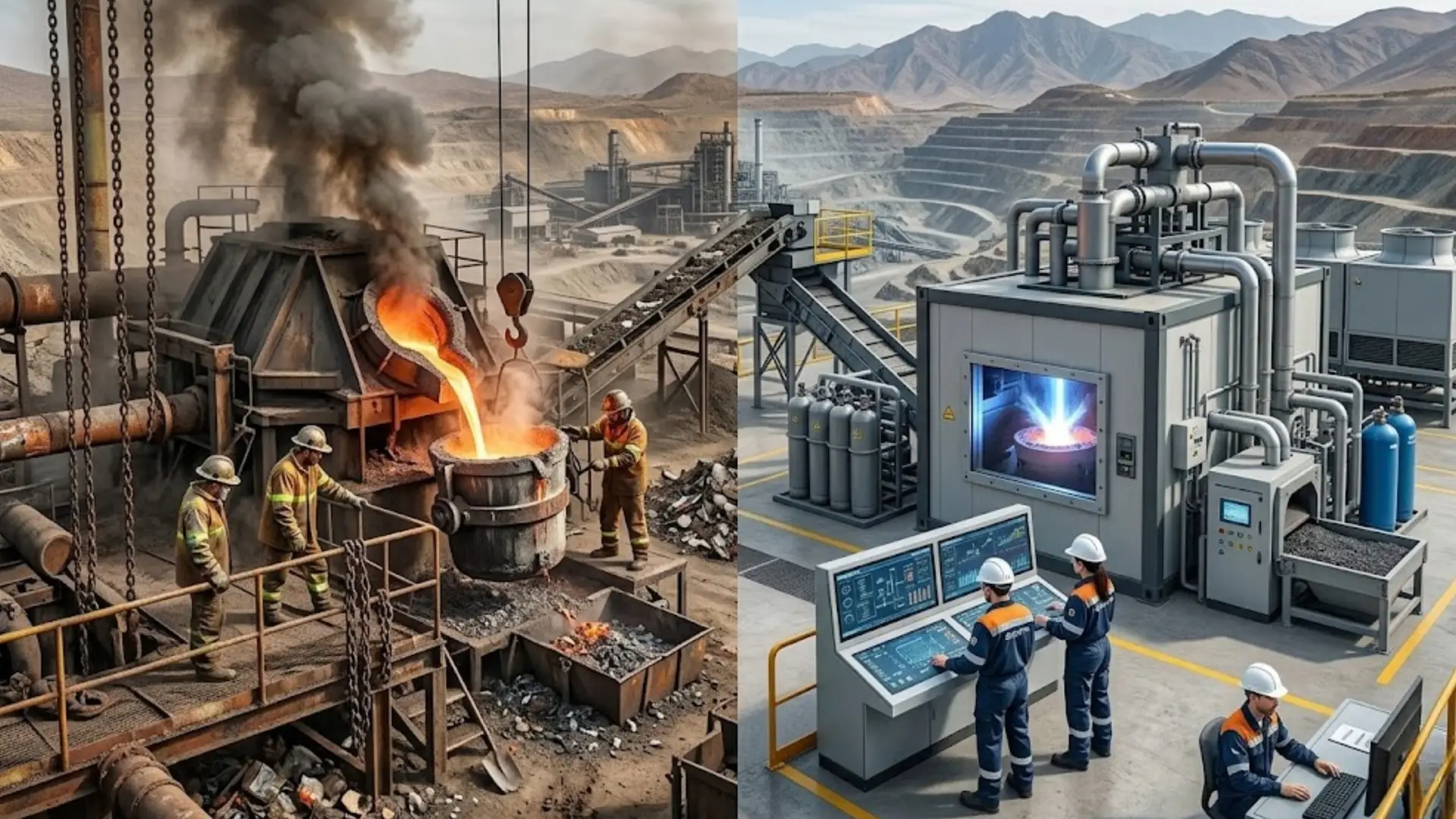
Traditional processing methods still have a place, especially for simple ore. But they often struggle with modern feed conditions.
Traditional methods
Often rely on:
basic gravity recovery
simple flotation
minimal automation
limited tailings treatment
Advanced methods
Usually include:
data-based metallurgical testing
multi-stage recovery
better process control
higher recovery from difficult ore
improved environmental performance
Why the difference matters
Traditional methods may appear cheaper at first, but they can become expensive through lower recovery, higher rework, inconsistent operation, and lost metal in waste streams.
For example, a simple gravity-only setup may capture coarse free gold well, but fine gold or sulfide-associated values may be lost. In contrast, a more advanced route combining gravity and flotation or leaching can capture more of the total value.
For companies evaluating a gold refining plant or broader treatment system, the best choice is not the most basic option. It is the option that protects long-term revenue.
11. Environmental Benefits
Environmental performance is no longer optional. It affects permits, community trust, financing, and long-term operational stability.
Advanced Metallurgical Processing Techniques can improve environmental outcomes in several ways.
Lower waste generation
Better recovery means less valuable metal ends up in tailings.
Water recycling
Modern plants often reuse process water, reducing freshwater demand.
Reduced chemical losses
Better control of reagents means less waste and safer handling.
Cleaner emissions management
Dust control, gas treatment, and closed systems help reduce environmental impact.
Tailings reprocessing potential
Old tailings can become a resource instead of a liability.
This is especially important in regions where small mines are under pressure to upgrade from informal or inefficient processing practices. Cleaner plants can support legal compliance and better community relations.
12. Real-World Use Cases and Applications
The value of Advanced Metallurgical Processing Techniques becomes clear when you look at how they are used in the field.
Small gold mines upgrading recovery
Many small mines in Peru, Bolivia, Ghana, and Tanzania lose valuable metal because of poor liberation and outdated concentration circuits. A modular upgrade can improve recovery while reducing unsafe or inefficient practices.
Polymetallic projects in Latin America
Mines in Mexico and Colombia often handle mixed mineral systems. Advanced processing helps separate and recover multiple value streams rather than focusing on only one metal.
Remote island and mountain operations
Indonesia and the Philippines include remote mining areas where compact modular plants are easier to deploy than large site-built facilities.
Tailings retreatment projects
Historical tailings can contain recoverable value that was missed by older plants. Reprocessing with modern methods can generate revenue from existing waste material.
Investor-backed expansion plants
Mid-size projects often begin with a smaller line and expand after confirming metallurgy, supply stability, and product marketability.
13. Country-Specific Demand and Market Opportunity
For industrial marketing, your focus countries are well chosen because they contain many small to mid-size mining operations that need better processing solutions.
Peru and Bolivia
These countries have strong small-mining activity, complex ore potential, and demand for practical, scalable plant solutions.
Mexico and Colombia
These markets value efficient processing for gold, silver, copper, and polymetallic ore systems.
Ghana and Tanzania
West and East Africa continue to show demand for cleaner, higher-recovery plants that can support formalization and productivity growth.
Indonesia and the Philippines
These regions offer opportunity for modular processing systems that can operate in remote environments and support variable ore conditions.
For SEO and conversion, content targeting these markets should focus on recovery improvement, modularity, lower environmental impact, and plant scalability.
14. How to Choose the Right Plant Configuration
Before buying a plant, you should ask practical questions, not just technical ones.
Questions to consider
What is your ore type and grade?
Without real test work, equipment selection is only guesswork.
What capacity do you need now and later?
A phased approach often reduces risk.
What utilities are available on site?
Power, water, fuel, and logistics matter as much as metallurgy.
What product will you sell?
Concentrate, doré, refined metal, or intermediate product each needs a different route.
What is your budget and target payback?
The right plant should match both metallurgical and financial reality.
If you are at the planning stage, a full mining setup guide can help align geology, metallurgy, plant design, and commercial goals into one clear project path.
15. Conclusion
Advanced Metallurgical Processing Techniques are not just about technology. They are about turning more of your ore into saleable value, with better efficiency, stronger environmental performance, and a clearer growth path. For mining companies, industrial buyers, engineers, and investors, the right processing solution can improve recovery, lower risk, and strengthen project returns.
In high-demand markets such as Peru, Bolivia, Mexico, Colombia, Ghana, Tanzania, Indonesia, and the Philippines, the opportunity is especially strong. If your goal is to build a more profitable and scalable operation, modern metallurgical processing is no longer a luxury. It is a strategic advantage.
FAQs
1. What is the cost of Advanced Metallurgical Processing Techniques?
The cost depends on plant capacity, ore complexity, and process route. A small modular setup may require a relatively low investment, while a fully integrated 500 to 1000 TPD plant with automation and environmental controls falls into the high investment range.
2. What process steps are included in Advanced Metallurgical Processing Techniques?
The process usually includes testing, crushing, grinding, classification, concentration, chemical or thermal treatment, metal recovery, and tailings management. The exact flow sheet depends on your ore and final product goals.
3. What plant capacity options are available?
Capacity can range from 10 TPD to 1000 TPD or more. Small mines often start at 10 to 50 TPD, while expanding industrial projects may choose 100 to 300 TPD or 500 to 1000 TPD systems.
4. Are Advanced Metallurgical Processing Techniques profitable for small mines?
Yes, they can be highly profitable when they improve recovery, reduce losses, and support scalable production. For small mines, even a modest recovery improvement can create a strong return if the plant is matched correctly to the ore.
5. How do Advanced Metallurgical Processing Techniques compare with traditional methods?
They generally offer better recovery, improved handling of complex ore, stronger process control, and better environmental performance. Traditional methods may be cheaper at first, but they often leave more valuable metal behind.
Read more: https://avimetal.com/blogs/