Environmental Impact of Smelting vs Plasma
Introduction
If you work in mining, refining, or industrial metal recovery, you already know the pressure is growing from every side. Buyers want cleaner supply chains. Investors want stronger ESG performance. Regulators want lower emissions. And plant operators still need a process that is practical, profitable, and scalable.
That is why the Environmental Impact of Smelting vs Plasma has become an important topic for mining companies, industrial buyers, engineers, and investors. Traditional smelting has been used for decades, but plasma-based systems are now gaining attention because they can reduce emissions, improve process control, and handle complex feeds more efficiently.
For companies operating in high-demand mining regions such as Peru, Bolivia, Mexico, Colombia, Ghana, Tanzania, Indonesia, and the Philippines, this is not just a technical choice. It is a business decision that affects permitting, operating cost, metal recovery, environmental reputation, and long-term profitability.
Table of Contents
| Sr# | Headings |
|---|---|
| 1 | Overview of Environmental Impact of Smelting vs Plasma |
| 2 | Why This Comparison Matters for Modern Mining Operations |
| 3 | How Traditional Smelting Works |
| 4 | How Plasma Technology Works |
| 5 | Step-by-Step Process Explanation |
| 6 | Environmental Impact of Smelting vs Plasma: Emissions, Waste, and Water |
| 7 | Equipment Required for Both Systems |
| 8 | Plant Capacity Options from 10 TPD to 1000 TPD |
| 9 | Energy Consumption Details |
| 10 | Cost Estimation: Low, Medium, and High Investment |
| 11 | ROI and Profitability Analysis |
| 12 | Comparison with Traditional Methods |
| 13 | Real-World Use Cases and Applications |
| 14 | Environmental and Regulatory Benefits |
| 15 | How to Choose the Right Solution for Your Project |
| 16 | Conclusion |
| 17 | FAQs |
Overview of Environmental Impact of Smelting vs Plasma
The Environmental Impact of Smelting vs Plasma refers to the difference in pollution profile, energy pattern, waste generation, and process efficiency between conventional furnace smelting and plasma-based thermal treatment.
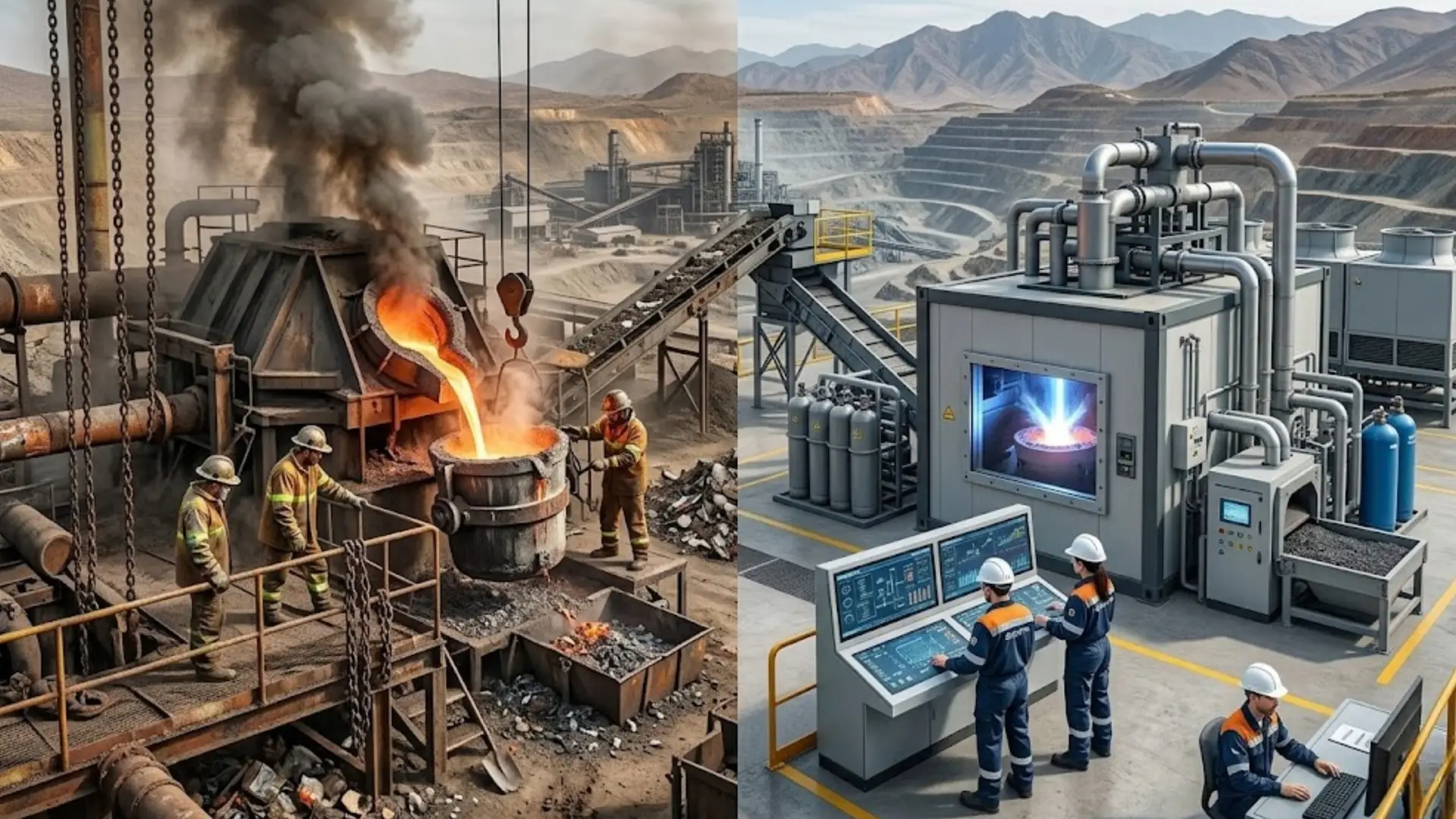
Traditional smelting usually depends on combustion-based heat and high-temperature furnace operations. It is effective, proven, and widely accepted in many mining regions. However, it can produce higher levels of off-gases, dust, slag, and greenhouse emissions if it is not paired with strong gas cleaning and waste control systems.
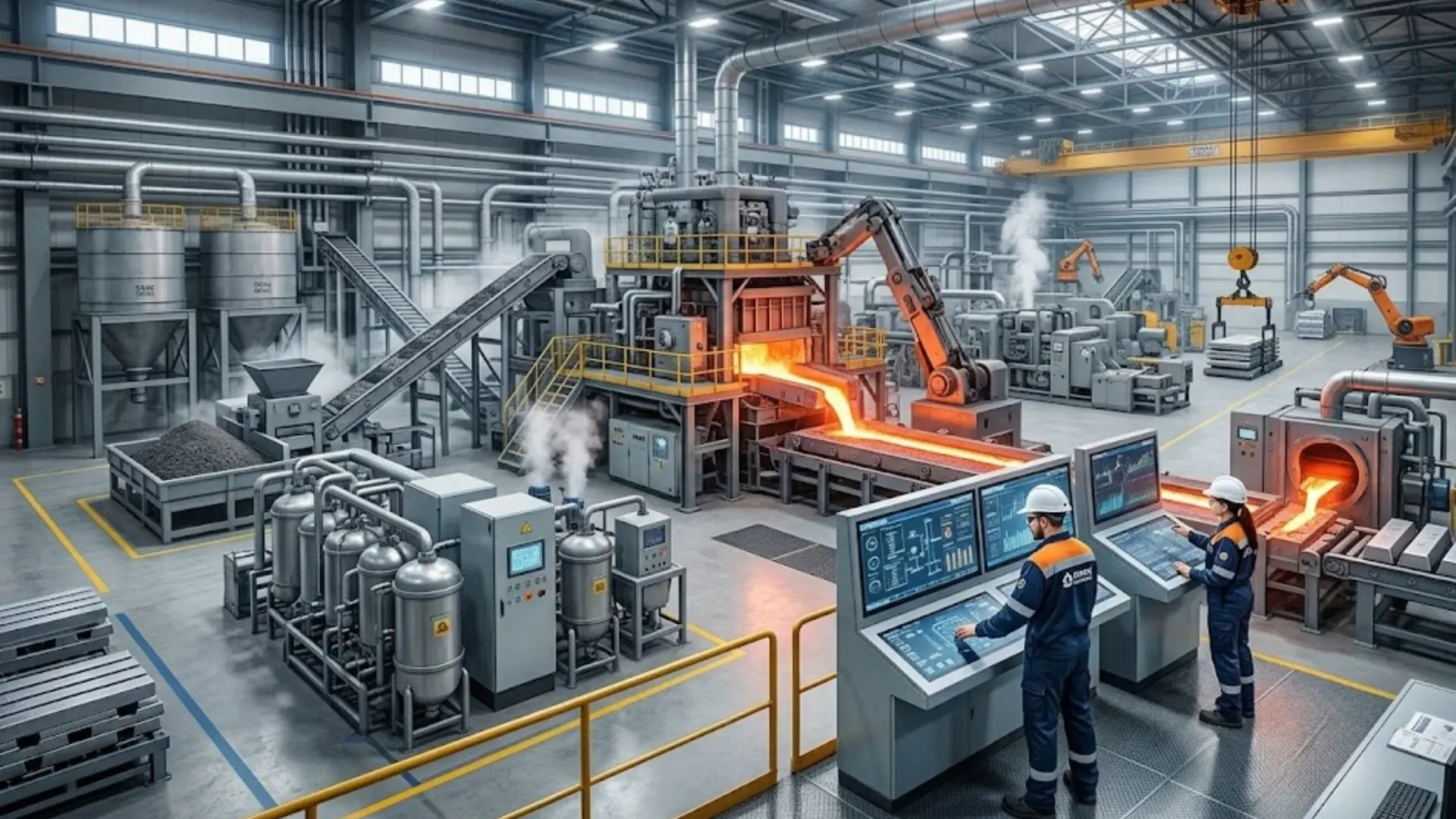
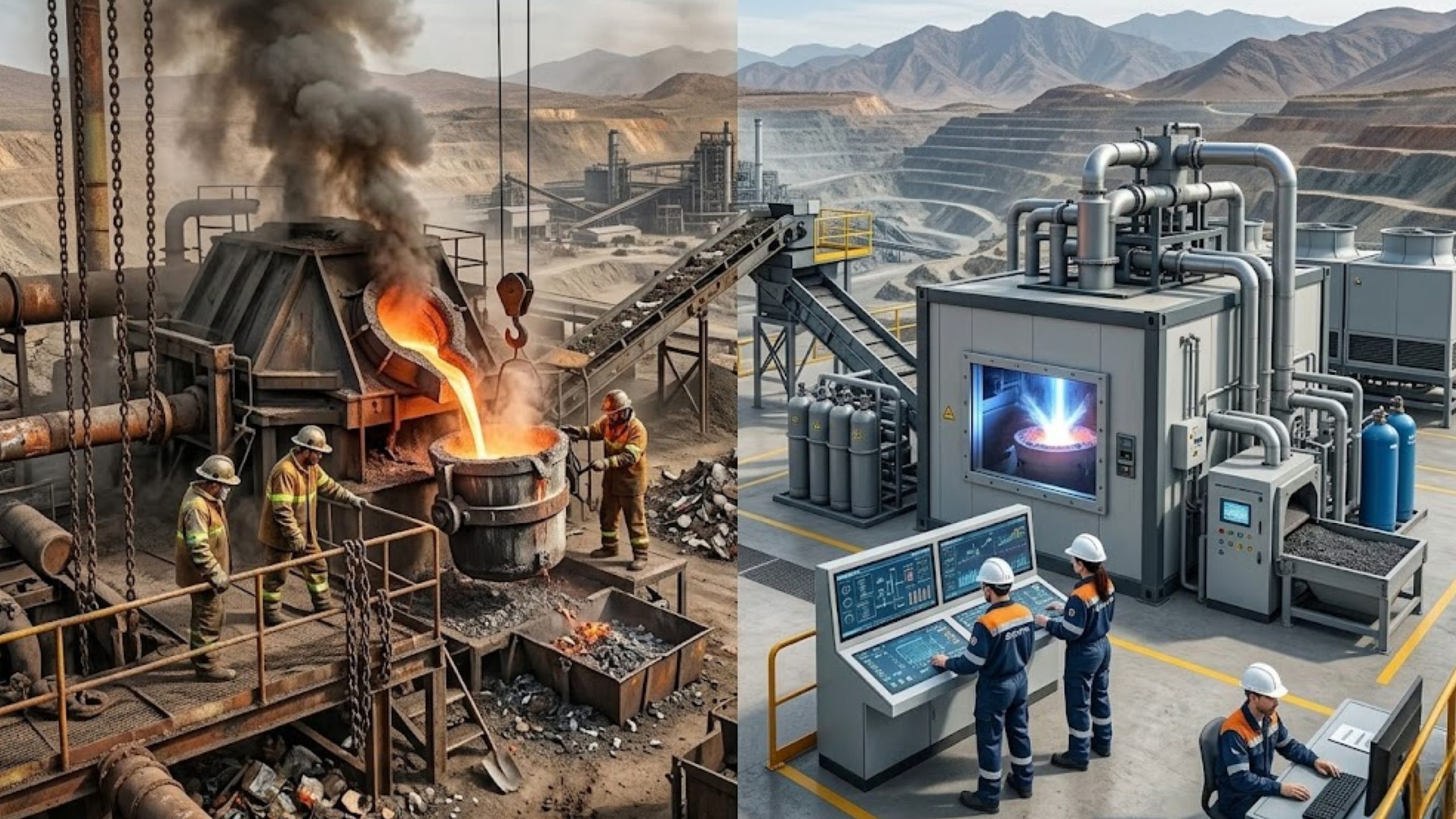
Plasma technology uses an electrically generated plasma arc to create extremely high temperatures in a more controlled zone. In simple terms, it is like replacing a broad open flame with a highly focused energy tool. That focused heat can improve reaction speed, reduce unwanted by-products, and support better treatment of difficult concentrates, e-waste, and metallurgical residues.
An easy way to understand this is to think of traditional smelting like boiling muddy water in a large pot until the impurities separate, while plasma is more like using a fine industrial filtration-and-purification system that targets the contaminants with greater precision. Both can work, but one often gives you tighter control over what comes out of the process.
Why This Comparison Matters for Modern Mining Operations
For many smaller and mid-sized mines, especially in Latin America, Africa, and Southeast Asia, the refining stage is where both value and risk increase sharply. A plant may recover metal successfully, but if emissions, slag handling, or fuel use are too high, the project becomes harder to permit and harder to finance.
The Environmental Impact of Smelting vs Plasma matters because it directly affects:
Operating permits and environmental approvals
Community acceptance around the plant
Air emission compliance
Waste disposal costs
Energy strategy and power planning
Recovery rates for valuable metals
Project bankability and investor confidence
In markets such as Ghana and Tanzania, where small mines and artisanal-linked supply chains are common, cleaner processing options can also support formalization and better export acceptance. In Peru, Bolivia, Colombia, Indonesia, and the Philippines, where ore variability can be high, process flexibility becomes a major advantage.
How Traditional Smelting Works
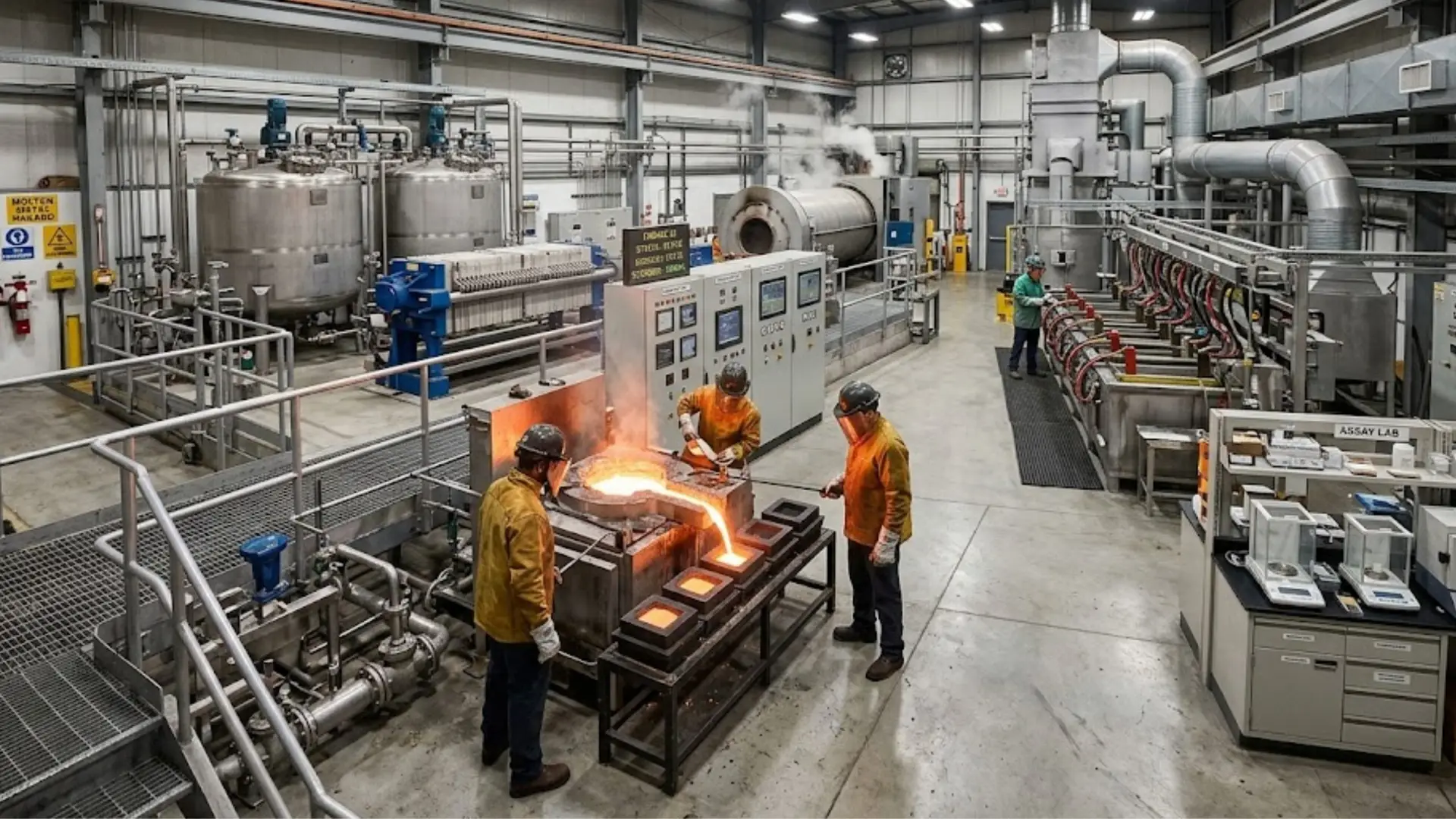
Traditional smelting is a thermal metallurgical process used to extract metal from concentrate or ore by heating it with fluxes and reducing agents. The process melts the feed and separates metal-bearing phases from slag.
Typical Traditional Smelting Flow
Ore or concentrate preparation
Drying and sizing
Mixing with fluxes
Furnace feeding
Melting and separation
Metal tapping
Slag removal
Off-gas treatment
This method is widely used for copper, lead, nickel, tin, and precious metal-bearing materials. In a gold refining plant or base metal circuit, smelting can still be highly effective when feed chemistry is stable and plant operators have good furnace experience.
The challenge is that conventional smelting often creates sulfur-bearing gases, particulate matter, and larger slag volumes. If the plant lacks advanced gas scrubbing and dust collection, the environmental footprint rises quickly.
How Plasma Technology Works
Plasma technology uses ionized gas to generate a very high-temperature thermal zone. That heat breaks down, melts, or vitrifies feed material in a controlled environment. Depending on plant design, plasma can be used for metal recovery, residue treatment, hazardous waste destruction, slag conditioning, and specialty refining.
Why Plasma Gets Attention
Higher reaction temperatures
Better treatment of complex or dirty feed
More controlled thermal conditions
Potential for lower off-gas volume
Reduced need for fossil-fuel-fired combustion in some designs
The Environmental Impact of Smelting vs Plasma becomes especially important when feed contains impurities, volatile compounds, or materials that generate difficult emissions under conventional heating.
In many cases, plasma does not eliminate the need for environmental controls. But it can reduce the load on those systems and produce cleaner, more stable process outputs.
Step-by-Step Process Explanation
Below is a practical process comparison for the Environmental Impact of Smelting vs Plasma.
Step 1: Feed Preparation
Both systems begin with ore, concentrate, tailings residue, or recycled metallurgical feed. Material is screened, dried, and blended.
Step 2: Chemical Adjustment
Fluxes are added to help separate the target metal from gangue. In traditional smelting, this step is critical because furnace chemistry strongly affects slag behavior. In plasma systems, feed control is still important, but the higher thermal intensity can improve tolerance to variable material.
Step 3: Thermal Treatment
In conventional smelting, the feed enters a furnace where heat is generated by fuel, burners, or electrical resistance depending on the system.
In plasma processing, the feed enters a reactor where a plasma torch creates an extremely hot processing zone. This can lead to faster breakdown of difficult compounds and better destruction of unwanted organic contaminants.
Step 4: Metal and Slag Separation
Both methods separate molten metal from slag. Plasma systems can produce a more vitrified and stable slag in some applications, which may improve disposal safety or secondary reuse potential.
Step 5: Gas Cleaning
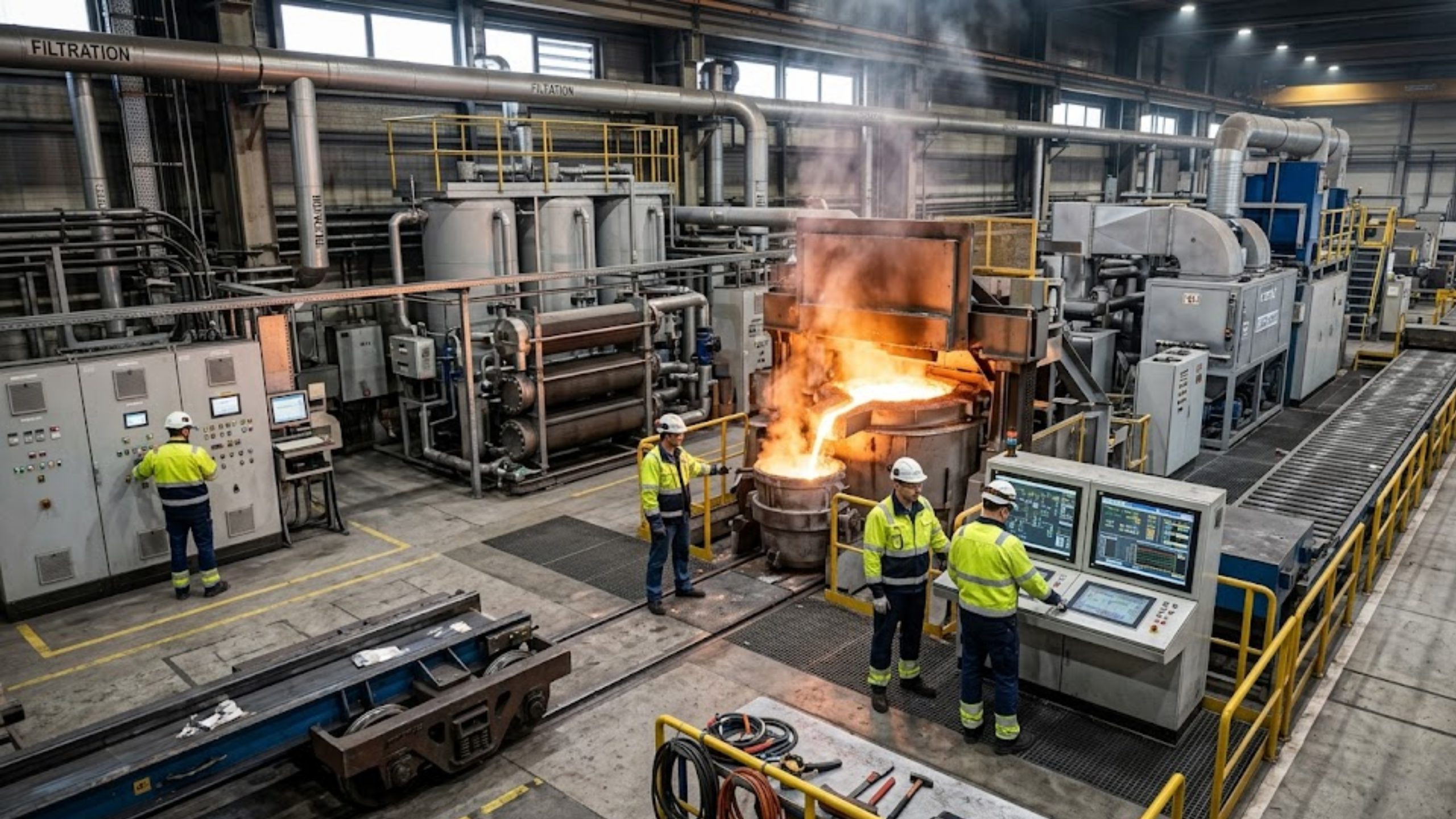
This is one of the most important points in the Environmental Impact of Smelting vs Plasma. Smelting often produces larger gas volumes, especially where combustion is heavy. Plasma can reduce gas volume in some designs, making filtration and scrubbing more efficient.
Step 6: Product Recovery
Recovered metal moves to casting, refining, or downstream finishing. Slag, dust, and captured residues are then treated, recycled, or disposed of according to plant design.
Environmental Impact of Smelting vs Plasma: Emissions, Waste, and Water
This is the heart of the discussion. The Environmental Impact of Smelting vs Plasma is not based on one issue alone. It includes air, water, solid waste, and carbon footprint together.
Air Emissions
Traditional smelting can generate:
Sulfur oxides
Nitrogen oxides
Carbon dioxide
Fine particulate dust
Metal fumes
Plasma systems can lower some of these emissions because they may use less direct combustion and allow better control over reaction conditions. However, real performance depends on feed chemistry and gas cleaning design.
Solid Waste
Conventional smelting often generates larger slag volumes and dust capture residues. Plasma can sometimes create a denser, more vitrified slag with lower leachability. That can reduce long-term waste risk.
Water Impact
Smelting and plasma plants both use water for cooling, scrubbing, and dust suppression. Plasma systems may offer cleaner gas streams in some cases, which can reduce downstream scrubbing load. That said, water management still depends on plant engineering and recycling design.
Carbon Footprint
If a smelter relies heavily on fossil fuel, its carbon profile may be higher. Plasma systems use electricity, so their footprint depends on the local power mix. Where renewable or low-carbon electricity is available, plasma becomes more attractive from an ESG viewpoint.
Equipment Required for Both Systems
A serious evaluation of the Environmental Impact of Smelting vs Plasma must include equipment scope because environmental performance depends on the full plant, not only the furnace.
Traditional Smelting Equipment List
-
Ore dryers
-
Crushing and screening units
-
Feed hoppers and conveyors
-
Mixing and flux dosing systems
-
Smelting furnace
-
Burners or heating system
-
Slag tapping tools
-
Dust collection system
-
Baghouse or scrubber
-
Chimney and stack monitoring system
-
Cooling water system
-
Casting equipment
Plasma Processing Equipment List
-
Feed preparation system
-
Drying and sizing equipment
-
Plasma reactor
-
Plasma torch and power supply
-
Process control panel
-
Gas handling unit
-
Dust collection and filtration system
-
Slag tapping and cooling unit
-
Metal recovery section
-
Water cooling system
-
Transformer and electrical infrastructure
-
Emission monitoring system
If you are planning a modular refining plant, plasma systems can sometimes offer a more compact layout for specialized applications, especially where feed size is moderate and environmental control is a priority.
Plant Capacity Options from 10 TPD to 1000 TPD
Capacity planning is critical for project economics. The Environmental Impact of Smelting vs Plasma also changes with plant size because gas volumes, waste handling, and energy intensity shift as throughput increases.
10–50 TPD
Suitable for pilot operations, small mines, remote projects, and specialty residues. Plasma may be attractive here because compact and modular systems can support cleaner treatment where local compliance pressure is high.
50–200 TPD
Good for mid-sized mining groups and regional processing hubs. Both smelting and plasma can work, but plasma becomes more competitive if feed is complex or variable.
200–500 TPD
This range suits established industrial operators. Traditional smelting often has stronger capital familiarity here, but plasma may win where emissions reduction and premium product recovery matter.
500–1000 TPD
At this level, project selection depends on ore chemistry, utility costs, and long-term environmental obligations. Traditional smelting may still dominate for standard large-scale feeds, while plasma can be highly valuable for specialty concentrates, waste streams, and hybrid circuits.
For industrial buyers in Peru, Mexico, Colombia, Ghana, Tanzania, Indonesia, and the Philippines, the best capacity choice often depends on whether the plant serves one mine, several small mines, or a merchant processing model.
Energy Consumption Details
Energy is one of the biggest decision points in the Environmental Impact of Smelting vs Plasma.
Traditional smelting usually consumes energy through fuel combustion, preheating, and furnace operation. Energy use can be efficient in mature large plants, but fuel price volatility and emission controls can raise the total cost.
Plasma systems mainly rely on electricity. That can mean higher electrical load, but more direct heat transfer in the reaction zone. In some cases, overall process efficiency improves because less energy is wasted heating excess gas volume.
What Affects Energy Use
Feed moisture
Ore chemistry
Target metal grade
Furnace design
Torch efficiency
Heat recovery system
Gas treatment load
For remote mining operations with unstable power, traditional systems may seem easier. But where grid access is strong or renewable energy is available, plasma can offer a cleaner long-term path.
Cost Estimation: Low, Medium, and High Investment
The Environmental Impact of Smelting vs Plasma cannot be separated from cost. Buyers and investors need a realistic capital view.
Low Investment Range
Small conventional systems with limited automation or compact plasma pilots for niche applications. Suitable for 10–50 TPD.
Medium Investment Range
Well-instrumented plants with proper gas cleaning, medium-scale reactors, automation, and operator safety systems. Suitable for 50–200 TPD.
High Investment Range
Industrial plants with advanced environmental controls, continuous operation design, full emission treatment, automation, and high-capacity throughput up to 1000 TPD.
General Cost Drivers
Plant size
Feed complexity
Local construction cost
Power infrastructure
Environmental control requirements
Automation level
Import duties and logistics
Traditional smelting may offer lower upfront familiarity in many regions. Plasma may have higher initial electrical and equipment cost, but lower environmental liability and better recovery can improve total project value.
ROI and Profitability Analysis
This section is where many projects are won or lost. The Environmental Impact of Smelting vs Plasma affects ROI through both direct and hidden costs.
Direct Profit Drivers
Metal recovery rate
Processing cost per ton
Downtime and maintenance
Energy cost
Labor efficiency
Hidden Profit Drivers
Permit approval speed
Community acceptance
Lower emission penalties
Reduced waste disposal cost
Improved export acceptance for cleaner production
Higher investor confidence
If plasma improves recovery on difficult concentrate and lowers environmental risk, the payback can be attractive even with higher capex. This is especially true for operators processing polymetallic feeds, refractory material, or residues with valuable recoverable metals.
For companies preparing a broader mining setup guide or long-term processing strategy, it is smart to compare 3-year, 5-year, and 10-year cost scenarios rather than only focusing on installation price.
Comparison with Traditional Methods
When reviewing the Environmental Impact of Smelting vs Plasma, the most practical approach is side-by-side comparison.
Traditional Smelting Strengths
Proven at industrial scale
Widely understood by operators
Often easier to finance in conventional mining markets
Suitable for stable, known feed material
Traditional Smelting Weaknesses
Higher combustion-related emissions
Larger gas treatment burden
Potentially higher slag and dust generation
Harder compliance in stricter ESG markets
Plasma Strengths
Cleaner thermal control
Strong performance on complex feed
Potentially lower off-gas volume
Better fit for future-facing ESG positioning
Plasma Weaknesses
Higher technical complexity
Greater dependence on reliable electricity
Higher early-stage engineering requirement
May require operator training and stronger automation support
Real-World Use Cases and Applications
The Environmental Impact of Smelting vs Plasma becomes clearer when you look at actual industrial use.
Small Gold and Polymetallic Mines
In countries like Peru, Bolivia, Colombia, and Tanzania, many small and medium producers need cleaner on-site or regional treatment options. Plasma can be useful where concentrate is dirty, variable, or difficult to smelt cleanly.
Base Metal Concentrates
Copper, lead, zinc, and mixed concentrates can be treated through conventional smelting, but plasma may be preferred when impurity control is important.
Refining Residues and Dust
Captured dust, slag fines, and high-value residues are often difficult for standard furnaces. Plasma systems can recover value while reducing the environmental burden of stored waste.
E-Waste and Secondary Materials
Plasma is particularly attractive for mixed, contaminated, or hazardous secondary feed because its high temperature can break down harmful compounds more effectively.
Remote Modular Plants
For industrial buyers looking at decentralized treatment in Ghana, Indonesia, or the Philippines, a containerized or modular approach may allow cleaner processing closer to the mine.
Environmental and Regulatory Benefits
For industrial decision-makers, one of the strongest arguments in the Environmental Impact of Smelting vs Plasma is future regulatory resilience.
Plasma technology can support:
Lower visible emissions
Improved waste stability
Better process enclosure
Reduced environmental complaint risk
Stronger ESG reporting profile
Potential advantage in international buyer audits
This matters even more for exporters selling into markets where clean sourcing claims are becoming part of commercial negotiations. A cleaner plant is not just an environmental asset. It is also a sales asset.
How to Choose the Right Solution for Your Project
There is no universal winner in the Environmental Impact of Smelting vs Plasma debate. The right choice depends on your feed, location, budget, power access, and environmental goals.
You should evaluate:
Ore and concentrate chemistry
Daily throughput target
Fuel and power cost
Air permit requirements
Water availability
Waste disposal rules
Operator skill level
Future expansion plans
If your feed is simple, your environmental permit path is manageable, and you need a familiar solution, smelting may still fit. If your feed is complex, your buyers want cleaner production, or your project must satisfy stricter ESG expectations, plasma may offer stronger long-term value.
For tailored plant planning, sourcing, or process discussion, you can contact Avimetal at jgim@avimetal.com or +1 470 564 8883 on Text Message, WhatsApp, or Telegram. Office address: C/O AINFOX, 2060 Faith Industrial Dr., Buford, GA 30518.
Conclusion
The Environmental Impact of Smelting vs Plasma is no longer a niche engineering question. It is a strategic decision that affects compliance, cost, recovery, reputation, and profitability. Traditional smelting remains important and effective, especially for stable large-scale operations. But plasma offers a cleaner, more controlled, and increasingly attractive route for mines and industrial processors that want to reduce emissions and strengthen long-term project performance.
If your goal is to build a competitive processing plant for modern mining markets, the better choice is not always the older one. It is the one that gives you stronger recovery, cleaner output, and better business resilience.
FAQs
What is the main difference in environmental performance between smelting and plasma?
The main difference is that plasma systems can offer more controlled high-temperature processing with potentially lower off-gas volume, lower combustion-related emissions, and more stable waste output. Traditional smelting can still perform well, but it usually needs stronger gas cleaning and waste management systems.
Is plasma processing more expensive than traditional smelting?
Plasma can have a higher initial capital cost, especially for power systems, automation, and reactor equipment. However, the total project value may improve through better recovery, lower waste liability, easier compliance, and stronger ESG positioning.
Which plant capacity is best for small mining operations?
For small mines, 10–50 TPD and 50–200 TPD are usually the most practical starting ranges. The best size depends on ore grade, logistics, power access, and whether the plant will serve one mine or several nearby mines.
Can plasma technology be profitable for mining companies?
Yes, plasma can be profitable when feed is complex, valuable metals are trapped in residues, or environmental compliance is expensive under traditional systems. Profitability improves when the plant reduces penalties, improves recovery, and supports premium market access.
How do I choose between smelting and plasma for my project?
You should compare feed chemistry, throughput, energy availability, capex, emission limits, water use, and long-term expansion goals. A proper technical and commercial review is the safest way to determine which method gives the best return for your site.
Read more: https://avimetal.com/blogs/