Gold Refining Plant Design and Layout
Introduction
If you are planning to enter the precious metals business, expand a mining operation, or invest in downstream processing, Gold Refining Plant Design and Layout is one of the most important decisions you will make. For those looking to build or upgrade their facility, this Refining Plant Design and Layout Guide provides essential information to help you get started. A well-planned plant does much more than refine gold. It controls operating cost, improves safety, supports compliance, reduces metal loss, and increases your long-term profit.
Many mining companies and industrial buyers make the mistake of focusing only on refining technology. In reality, the plant layout matters just as much as the process itself. A poor design can create bottlenecks, material handling delays, high energy use, and contamination risks. A smart design, on the other hand, helps you move feed material smoothly from receiving to melting, chemical treatment, purification, casting, and final dispatch.
This explains Gold Refining Plant Design and Layout in simple and practical terms. Whether you are serving small mines in Peru, Bolivia, Mexico, Colombia, Ghana, Tanzania, Indonesia, or the Philippines, or building a larger operation for export markets, this article will help you understand what really matters before you invest.
Table of Contents
| Sr# | Headings |
|---|---|
| 1 | Overview of Gold Refining Plant Design and Layout |
| 2 | Why Plant Design Matters in Gold Refining |
| 3 | Types of Gold Feed Materials |
| 4 | Step-by-Step Gold Refining Process |
| 5 | Key Equipment Required |
| 6 | Plant Layout Planning Principles |
| 7 | Plant Capacity Options from 10 to 1000 TPD |
| 8 | Energy Consumption Details |
| 9 | Cost Estimation for Different Plant Sizes |
| 10 | ROI and Profitability Analysis |
| 11 | Comparison with Traditional Methods |
| 12 | Environmental and Safety Benefits |
| 13 | Real-World Use Cases and Applications |
| 14 | Country-Focused Market Potential |
| 15 | How to Choose the Right Plant Supplier |
1. Overview of Gold Refining Plant Design and Layout
Gold Refining Plant Design and Layout refers to the complete planning of a facility that converts impure gold-bearing material into high-purity refined gold. This includes process selection, equipment sizing, workflow planning, utility design, worker safety, emissions control, and future expansion options.
In simple words, the plant is like a carefully arranged workshop where each step happens in the right order. If you think of refining like filtering dirty water into clean drinking water, the same idea applies here. You start with material that contains unwanted metals, dust, chemicals, and impurities, then pass it through controlled stages until only high-purity gold remains.
A proper plant design usually includes these areas:
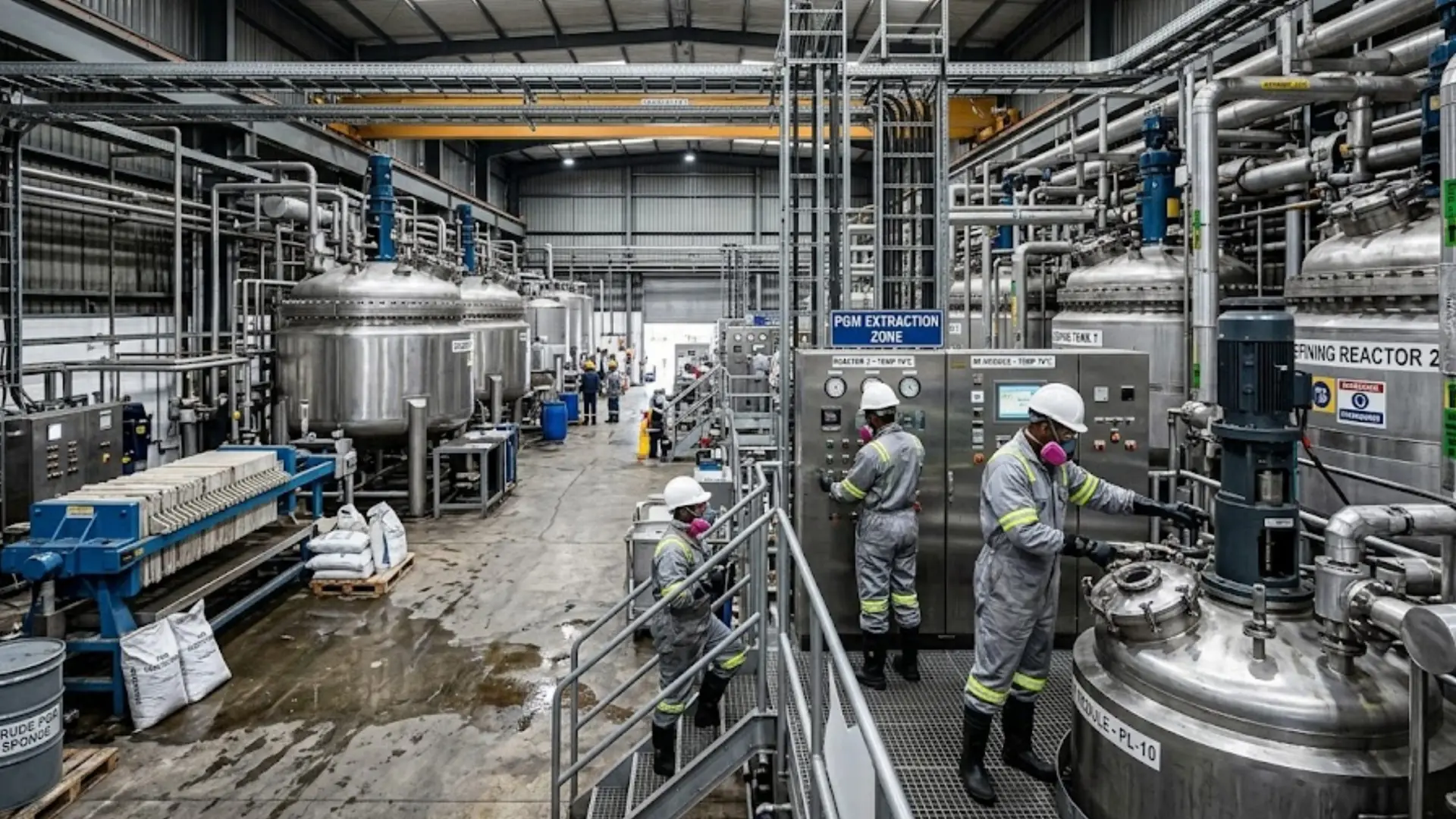
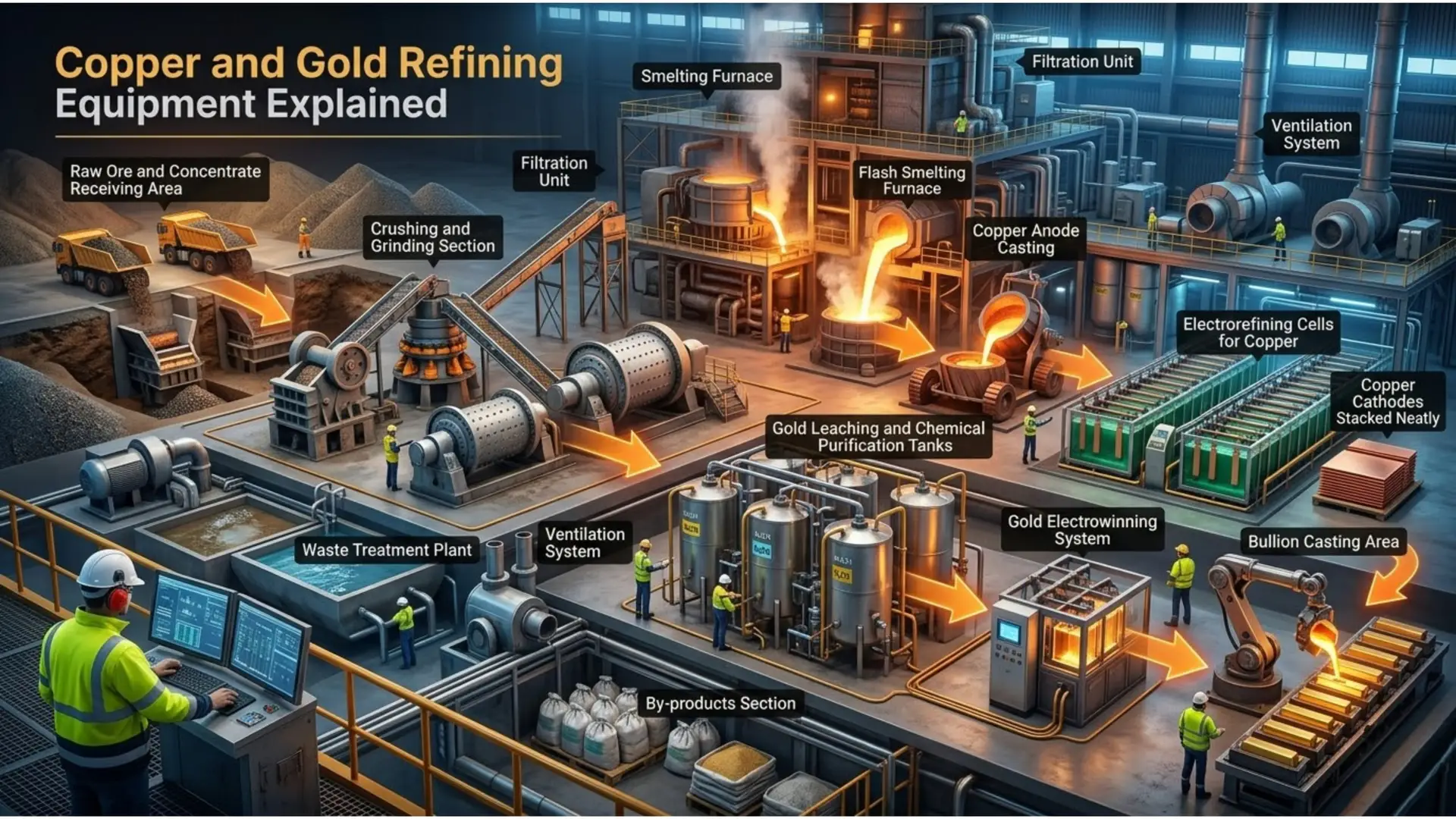
raw material receiving, sampling and testing, pretreatment, smelting or dissolution, refining, washing, drying, melting and casting, quality control, and secure storage.
The goal is simple: recover maximum gold, maintain purity, reduce loss, and keep operations safe and efficient.
2. Why Plant Design Matters in Gold Refining
Many people ask why layout deserves so much attention. The answer is easy. Gold is a high-value metal, so even small losses become serious financial losses.
A poorly designed refinery can cause:
cross-contamination between batches, extra manual handling, unsafe chemical exposure, slow production cycles, and higher operating costs.
A strong Gold Refining Plant Design and Layout helps you:
increase recovery, protect workers, save power, reduce rework, and improve final product quality.
Better Material Flow
When material moves in one direction from raw feed to final bullion, your plant becomes easier to manage. This reduces confusion, handling time, and contamination risk.
Easier Expansion
A modular design allows you to start small and expand later. This is especially useful for mining companies and industrial buyers serving growing regional markets.
Improved Compliance
Environmental and safety rules are becoming stricter. Good layout planning makes it easier to install scrubbers, wastewater treatment, ventilation systems, and secure storage.
3. Types of Gold Feed Materials
Before finalizing your Gold Refining Plant Design and Layout, you need to understand what kind of feed material you will process. Different feed types need different pretreatment steps.
Common feed materials include:
gold dore bars, concentrates from mines, jewelry scrap, electronic scrap, gold sludge, and smelting residues.
Gold Dore Bars
These come from mining and primary recovery operations. They usually contain gold, silver, and some base metals. This is one of the most common refinery feeds.
Concentrates
Small mines often produce concentrate rather than fully processed dore. These materials may contain sulfides, silica, arsenic, iron, and other impurities, so pretreatment becomes more important.
Scrap and Secondary Feed
Jewelry scrap and industrial scrap can be highly profitable, but feed chemistry can vary widely. Your plant design must include strong sampling, segregation, and assay control.
The more variable your feed, the more flexible your plant must be.
4. Step-by-Step Gold Refining Process
A complete Gold Refining Plant Design and Layout should match the refining method you plan to use. Most plants follow a sequence similar to the one below.
Step 1: Receiving and Sampling
The material enters the plant and is logged, weighed, and sampled. Accurate sampling is critical because it affects settlement, payment, and process control.
Step 2: Crushing or Size Reduction
If the feed is concentrate, slag, or hard residue, it may need crushing, grinding, or screening before further treatment.
Step 3: Smelting or Dissolution
Depending on the process, the material is either melted with fluxes or dissolved chemically. Smelting helps separate metal from gangue. Chemical refining can dissolve impurities or precious metals for later recovery.
Step 4: Separation and Purification
This is where the real refining happens. Impurities such as silver, copper, lead, zinc, and iron are removed through chemical, thermal, or electrochemical methods.
Step 5: Washing and Filtration
Residues and intermediate precipitates are washed carefully to recover entrained values and improve purity.
Step 6: Drying and Melting
Purified gold powder or sponge is dried, melted in induction or fuel-fired furnaces, and prepared for casting.
Step 7: Casting and Quality Control
Gold is cast into bars, granules, or other forms. The product is then tested for purity using fire assay, XRF, or other methods.
Step 8: Packaging and Secure Storage
The final product is labeled, recorded, packed, and stored in secure vault conditions.
A good process layout keeps these steps in sequence with minimal backward movement. That is one reason Gold Refining Plant Design and Layout directly affects productivity.
5. Key Equipment Required
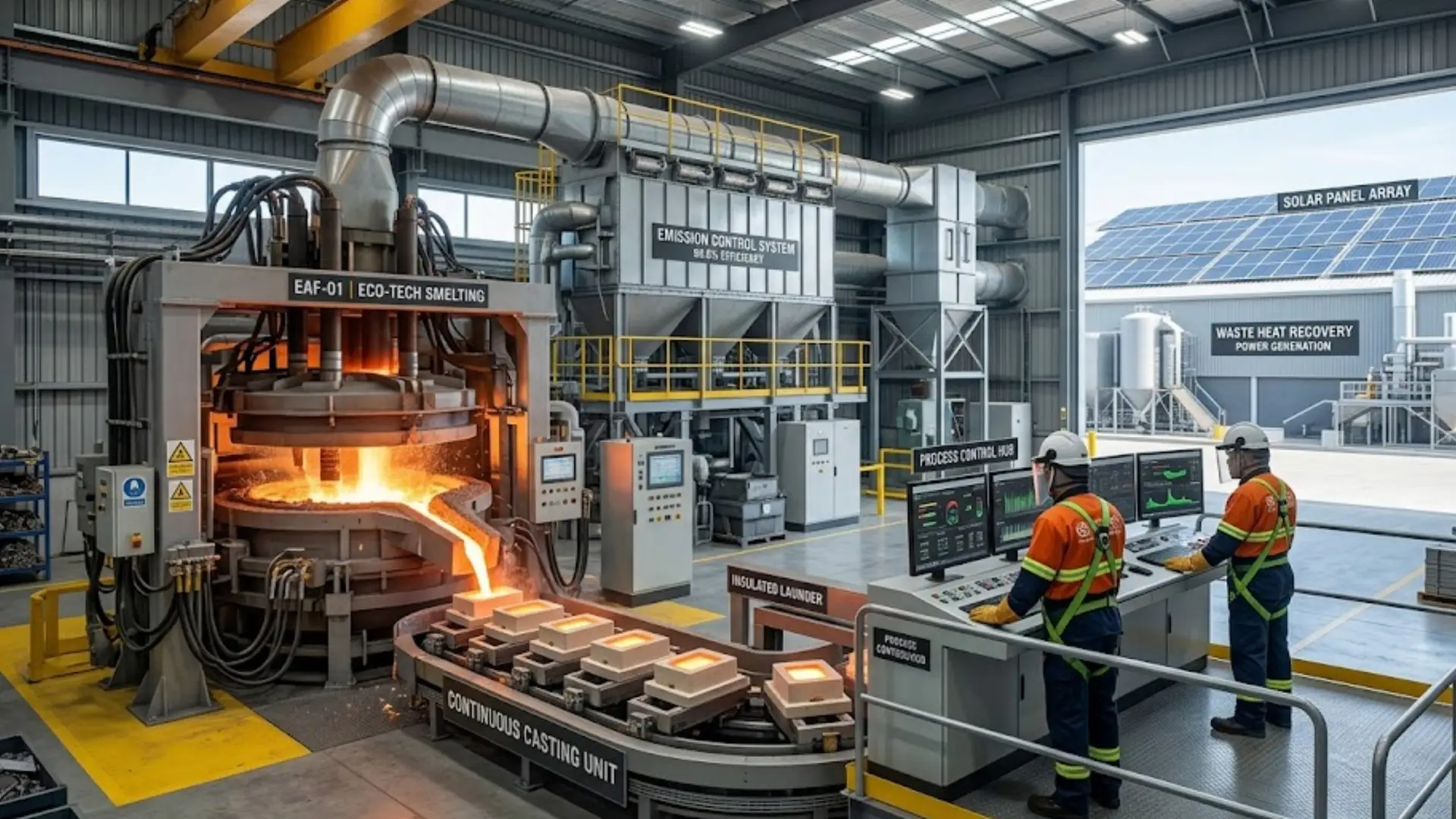
The equipment list depends on feed type, technology, and plant size, but most refining plants need the following:
-
Receiving hoppers and feed bins
-
Weighing scales and sampling stations
-
Crushers, grinders, and screens
-
Smelting furnace or induction furnace
-
Dissolution reactors or leaching tanks
-
Agitators and mixers
-
Filter press or vacuum filtration unit
-
Drying oven or tray dryer
-
Precipitation tanks
-
Electrorefining cells, where applicable
-
Melting and casting furnace
-
Molds and bullion handling tools
-
Fume extraction system
-
Wet scrubber or gas treatment system
-
Water treatment unit
-
Laboratory equipment for assay and QC
-
Security systems and vault storage
-
Material handling trolleys or conveyors
-
Control panels and automation systems
Supporting Systems
Do not forget the non-process equipment. In many projects, utilities decide whether the plant performs well or not.
Important support systems include:
power supply, compressed air, cooling water, ventilation, chemical storage, and waste handling.
6. Plant Layout Planning Principles
A strong Gold Refining Plant Design and Layout is not just about fitting machines into a building. It is about building a logical, safe, and profitable workflow.
Linear Flow Design
The best layout often follows a straight or semi-linear path:
receiving -> pretreatment -> refining -> melting -> casting -> storage.
This reduces unnecessary movement and keeps material tracking simple.
Separation of Clean and Dirty Areas
Raw feed zones and finished product zones should be physically separated. This protects purity and improves housekeeping.
Safe Chemical Handling
Acid rooms, reagent storage, and fume-generating equipment should be isolated and ventilated properly. Workers should not pass through these zones unless required.
Lab Placement
The assay lab should be close enough for quick process feedback, but separated enough to maintain control and security.
Future Expansion Space
Even if you begin with a 20 TPD or 50 TPD setup, leave room for future tanks, extra furnaces, and utility upgrades.
A well-designed plant is like a good road network. When everything flows in the right direction, the whole system runs smoother.
7. Plant Capacity Options from 10 to 1000 TPD
Capacity planning is one of the biggest investment decisions in Gold Refining Plant Design and Layout. The right size depends on feed availability, capital, local market demand, and long-term strategy.
10-50 TPD Plants
These are ideal for:
small mines, pilot projects, regional scrap refiners, and modular operations.
They require lower capital and can often be installed faster. These plants are attractive in mining regions with many small producers.
50-200 TPD Plants
This range fits:
medium-sized mining groups, multi-source feed operations, and industrial buyers handling mixed material streams.
It offers a balance between flexibility and scale efficiency.
200-500 TPD Plants
These plants are better for:
large mining operations, export-focused refiners, and integrated processing businesses.
They typically include stronger automation, more advanced utilities, and better control systems.
500-1000 TPD Plants
These are suitable for:
major industrial hubs, large mining clusters, and high-volume precious metal recovery projects.
At this scale, layout efficiency becomes even more important because poor design can create major throughput losses.
8. Energy Consumption Details
Energy cost has a direct effect on plant operating cost. In many regions, power reliability is also a major issue, so your Gold Refining Plant Design and Layout should include both energy efficiency and backup planning.
Main energy consumers include:
crushing and grinding, furnaces, agitators, dryers, pumps, ventilation systems, and water treatment units.
Typical Energy Factors
Energy use depends on feed hardness, moisture, chemical route, and automation level. In general:
-
Small plants may have higher energy cost per ton because of limited economies of scale
-
Medium plants often achieve better power efficiency
-
Large plants use more total power but lower energy per ton when optimized
Where Energy Savings Come From
You can reduce energy consumption through:
efficient motors, proper insulation, heat recovery, shorter material routes, variable speed drives, and automation-based control.
Backup and Reliability
In countries where grid stability is weak, backup generators or hybrid power systems can protect production. Even a few hours of furnace downtime can impact throughput and gold handling schedules.
9. Cost Estimation for Different Plant Sizes
Cost depends on process route, level of automation, country, construction standards, and environmental controls. Still, you can think in three broad categories.
Low-Cost Setup
A low-cost setup usually includes:
basic layout, semi-manual handling, small capacity, and limited automation.
Best for:
pilot plants, small regional miners, and proof-of-concept investments.
Medium-Cost Setup
A medium-cost setup includes:
better process control, stronger safety systems, improved filtration, modular expansion options, and more reliable utilities.
Best for:
industrial buyers, growing mining groups, and buyers serving multiple small mines.
High-Cost Setup
A high-cost plant includes:
full automation, advanced environmental controls, high security, lab integration, and larger capacity.
Best for:
long-term industrial operations, export-quality production, and investors seeking scalable returns.
Main Cost Components
Your project budget usually includes:
land and civil work, equipment, installation, electrical systems, piping, lab setup, environmental control, security, commissioning, and training.
Hidden costs often include spare parts, reagent storage, permits, and waste treatment systems. That is why realistic budgeting is essential in Gold Refining Plant Design and Layout.
10. ROI and Profitability Analysis
Profitability depends on five main things:
gold recovery, refining charge, operating cost, feed consistency, and plant utilization.
A refinery that runs at 40% capacity will rarely perform like one that runs at 80% or above. Good design improves uptime, reduces losses, and supports better margin.
Main Revenue Drivers
You earn through:
refining service fees, metal recovery margin, treatment charges, and sometimes by-product recovery, especially silver.
Main Profit Risks
Profit falls when you have:
high reagent cost, unplanned downtime, poor sampling, metal loss in residue, or low feed supply.
How Better Layout Increases ROI
A better Gold Refining Plant Design and Layout improves profitability by:
cutting handling time, reducing contamination, shortening process cycles, and lowering utility waste.
For investors, this means faster payback. For operators, it means better cash flow and more consistent output.
11. Comparison with Traditional Methods
Traditional gold refining methods are still used in some areas, especially small-scale or informal operations. However, they often come with major limitations.
Traditional Methods
These may include:
basic furnace refining, manual chemical treatment, and poorly controlled batch processes.
Common problems are:
lower purity, higher metal loss, safety risk, and environmental damage.
Modern Plant-Based Refining
Modern plants offer:
higher control, better recovery, consistent product quality, traceability, and safer working conditions.
Why Modern Methods Win
Compared with traditional systems, a properly engineered Gold Refining Plant Design and Layout provides:
better process repeatability, lower emissions, higher bullion quality, and more investor confidence.
This is especially important for buyers who need bankable or export-grade output.
12. Environmental and Safety Benefits
Environmental performance is no longer optional. It affects permits, reputation, and long-term business survival.
A modern refinery should include:
fume collection, acid gas scrubbing, wastewater treatment, solid residue handling, and safe reagent storage.
Reduced Emissions
Smarter furnace design and proper scrubbers help control harmful gases and dust.
Safer Chemical Management
Dedicated chemical areas, spill control, and clear access routes reduce accidents.
Lower Waste Loss
Better filtration and washing systems recover more gold and reduce valuable material going to waste.
A modern Gold Refining Plant Design and Layout supports cleaner production and makes your operation more acceptable to regulators, communities, and financing partners.
13. Real-World Use Cases and Applications
Gold refineries are used in more than one business model. That is why plant design must match your actual commercial goal.
Mining Companies
Mining companies use refineries to process dore, improve value capture, and reduce dependence on third-party refiners.
Industrial Buyers
Industrial buyers often build medium plants to aggregate feed from several small mines. This creates better control over purity, pricing, and delivery schedules.
Investors
Investors may fund modular plants near active mining regions where feed supply is spread across many small producers.
Recycling and Secondary Recovery
Some plants process jewelry scrap, electronic scrap, and precious metal residues. These operations often need stronger feed sorting and analytical control.
14. Country-Focused Market Potential
For commercial positioning, Gold Refining Plant Design and Layout should be marketed toward regions where many small and medium mines need practical refining solutions.
Strong target markets include:
Peru, Bolivia, Mexico, Colombia, Ghana, Tanzania, Indonesia, and the Philippines.
These regions are attractive because many operators need:
modular plants, scalable capacity, better gold recovery, improved compliance, and local refining support.
Why Modular Designs Work Well
In these markets, buyers often prefer systems that can start small and grow later. A modular approach reduces entry risk and helps match real feed availability.
Why Layout Matters in Remote Areas
In remote mining zones, logistics, power, water, and technical support can be limited. A practical layout with simple maintenance access becomes a major selling point.
15. How to Choose the Right Plant Supplier
Selecting the right engineering partner is just as important as choosing the process itself.
Look for a supplier who can offer:
process design, layout planning, equipment integration, environmental systems, commissioning, and operator training.
Questions You Should Ask
Can the plant handle variable feed?
What purity can it achieve?
How easy is it to expand capacity later?
What are the real utility requirements?
What support is available after installation?
Red Flags
Be careful if a supplier cannot explain:
material flow, metal loss control, waste treatment, or real operating cost assumptions.
A serious supplier should be able to justify every part of the Gold Refining Plant Design and Layout with technical and commercial logic.
Internal Linking Suggestions
modular refining plant
gold refining plant
mining setup guide
Conclusion
A successful Gold Refining Plant Design and Layout is not just about refining gold. It is about building a system that protects value at every stage. The right design improves recovery, supports purity, lowers cost, strengthens safety, and makes future expansion easier. If you want a plant that attracts industrial buyers, mining partners, and investors, focus on smart layout, scalable capacity, reliable utilities, and practical process engineering from day one.
FAQs
1. What is the ideal capacity for a Gold Refining Plant Design and Layout?
The ideal capacity depends on your feed supply, budget, and business model. Small operations may start at 10 to 50 TPD, while larger mining groups may need 100 to 1000 TPD. A modular design is often the best choice because it allows future expansion without rebuilding the whole plant.
2. How much does a Gold Refining Plant Design and Layout cost?
The cost can range from low-cost basic setups for pilot or small-scale use to high-cost automated plants for industrial production. Final cost depends on plant capacity, refining technology, environmental controls, lab equipment, and the level of automation you choose.
3. How profitable is a Gold Refining Plant Design and Layout?
Profitability depends on recovery rate, feed consistency, refining fees, operating cost, and plant utilization. A well-designed plant can deliver strong returns by reducing metal loss, improving efficiency, and increasing throughput. Plants that recover silver and other by-products may improve ROI even more.
4. What process is commonly used in a Gold Refining Plant Design and Layout?
Most plants use a sequence of sampling, pretreatment, smelting or dissolution, purification, washing, drying, melting, and casting. The exact method depends on whether you process dore bars, concentrates, scrap, or residues. The best process is the one that matches your feed chemistry and production goals.
5. Why is layout important in a Gold Refining Plant Design and Layout?
Layout is important because it affects material flow, worker safety, energy use, contamination control, and final recovery. A smart layout reduces delays, lowers operating cost, and makes it easier to manage production, maintenance, and expansion.
Read More: https://avimetal.com/2026/03/18/precious-metal-refining-plant-cost-breakdown-guide/