Business Model for Refinery Plant
Introduction
Many mining companies and metal buyers produce value in the ground but lose profit before the final sale. The biggest gap often appears between raw concentrate, dore, scrap, or semi-processed material and the final refined metal product. That gap is where a strong Business Model for Refinery Plant creates real commercial advantage.
If you are a mine owner, industrial buyer, engineer, or investor, your main question is simple. How do you turn feed material into a predictable, scalable, and profitable refining business? The answer is not only technical. It is commercial, operational, and market-driven.
A refinery plant is more than a processing unit. It is a margin-capturing system. It helps you move from selling low-value material to supplying higher-purity products with better pricing power, stronger customer trust, and better control over quality. In regions with many small and medium mines such as Peru, Bolivia, Mexico, Colombia, Ghana, Tanzania, Indonesia, and the Philippines, this model becomes even more attractive because local miners often need reliable refining partners close to the source.
This article explains the full Business Model for Refinery Plant in practical terms. You will learn how the process works, what equipment is needed, what capacity options are available, how much energy the plant uses, how costs and returns can be estimated, and why modern refining plants are becoming more attractive than traditional methods.
Table of Contents
| Sr# | Headings |
|---|---|
| 1 | What Is a Business Model for Refinery Plant |
| 2 | Why Demand Is Growing in Small-Mining Regions |
| 3 | Overview of Business Model for Refinery Plant |
| 4 | Feed Material and Revenue Sources |
| 5 | Step-by-Step Process Explanation |
| 6 | Equipment Required for a Refinery Plant |
| 7 | Plant Capacity Options from 10 to 1000 TPD |
| 8 | Energy Consumption Details |
| 9 | Cost Estimation for Refinery Projects |
| 10 | ROI and Profitability Analysis |
| 11 | Comparison with Traditional Methods |
| 12 | Environmental Benefits |
| 13 | Real-World Use Cases and Applications |
| 14 | Key Risks and How to Reduce Them |
| 15 | How to Build a Market-Focused Refinery Business |
1. What Is a Business Model for Refinery Plant
A Business Model for Refinery Plant is the commercial structure used to buy, process, refine, and sell metals or mineral-based products at higher value. In simple words, it explains how your refinery makes money.
Most refinery plants earn revenue from one or more of these streams: treatment charges, refining charges, metal recovery margins, toll refining fees, product sales, and by-product recovery. A smart business model combines technical efficiency with supply security and reliable product marketing.
You can think of refining like a high-performance water filter. Raw water may contain value, but it also carries impurities. The better the filtering system, the more usable and valuable the output becomes. Refining works the same way. Your plant removes unwanted materials, increases purity, and transforms low-value feed into a product the market trusts and pays more for.
For industrial buyers and investors, this matters because better purity often means better pricing, stronger contracts, and easier market access. For mining companies, it means more control over the value chain.
2. Why Demand Is Growing in Small-Mining Regions
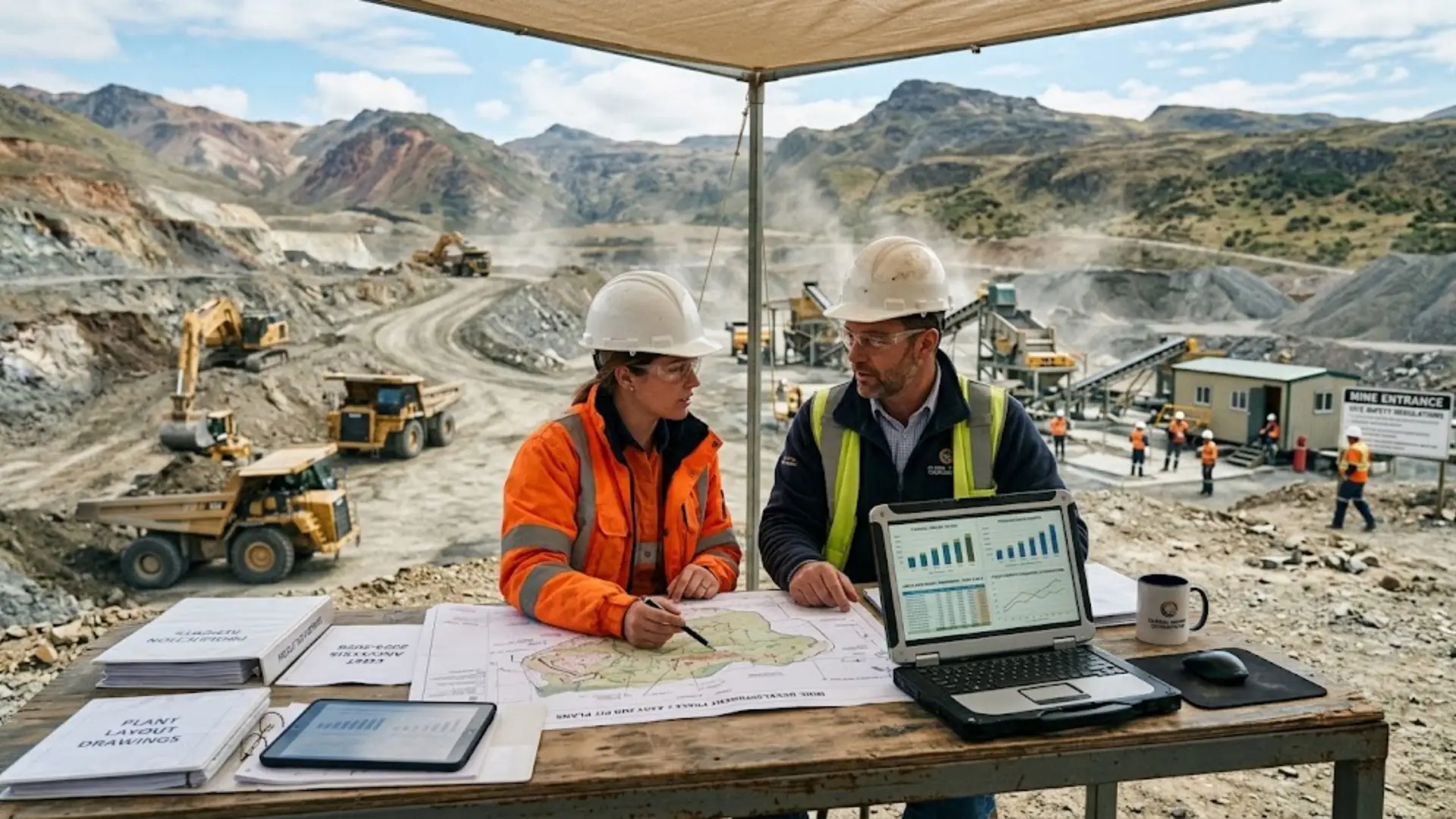
The strongest opportunities for a Business Model for Refinery Plant are often found in countries with fragmented mining activity and rising demand for local processing. Peru, Bolivia, Mexico, Colombia, Ghana, Tanzania, Indonesia, and the Philippines all have active mining sectors with many small and medium producers.
These producers often face the same problem. They can mine ore or produce concentrate, but they do not always have nearby refining capacity. That creates delays, high transport costs, dependency on third parties, and weaker pricing during sales negotiations.
A regional refinery solves several problems at once. It shortens logistics, improves metal accountability, reduces time to cash, and gives local miners a formal channel for refining. For investors, this is important because a refinery near production zones can become a service hub instead of relying on a single mine.
That is why the market is moving toward flexible, modular, and regionally connected refining plants. Buyers want reliability. Miners want better terms. Governments often want more local value addition. A properly designed refinery business can align with all three goals.
3. Overview of Business Model for Refinery Plant
The basic structure of a Business Model for Refinery Plant usually follows five commercial layers.
First, the plant secures feedstock. This can come from mines, traders, recyclers, scrap suppliers, or industrial process residues. Without a strong feed pipeline, even the best plant struggles.
Second, the plant charges for processing. Depending on the model, you may charge per ton, per batch, per assay result, or through a treatment and refining charge structure.
Third, the plant captures metal recovery value. If your process delivers better recovery than alternative processors, you earn extra margin.
Fourth, the plant sells refined output. This may include bullion, refined metal ingots, salts, powders, or other industrial-grade products depending on the metal and process route.
Fifth, the plant can monetize by-products. In many refining operations, by-products such as silver, copper, sulfur-based compounds, or residues with recoverable elements can improve total profitability.
A strong refinery business model balances technical performance with commercial flexibility. Some clients will want toll refining. Others will want you to purchase feed directly. Some will need contract processing. Others may need a complete solution linked to a modular refining plant or a broader mining setup guide for expansion.
4. Feed Material and Revenue Sources
Not all refinery businesses use the same feed. Your model depends heavily on the type and consistency of incoming material.
Common Feed Sources
Mine concentrates are common in regions with active upstream production. Dore bars, precipitates, sludge, tailings re-treatment products, and industrial scrap can also be used depending on plant design. Some operations focus on precious metals, while others process base metal intermediates or mixed residues.
Main Revenue Channels
The first revenue channel is direct refining service. Here, your plant refines material owned by the customer and charges a fee.
The second is feed purchase and metal resale. In this model, your company buys material, refines it, and sells the finished product at a premium.
The third is contract processing with a recovery share. This works well when miners want lower upfront charges but accept a split based on recovered metal.
The fourth is by-product value. A plant that knows how to recover secondary metals can improve margins far beyond simple refining fees.
For many industrial buyers, the most attractive refinery partner is not always the cheapest one. It is the one with transparent assays, reliable recovery, consistent purity, and fast settlement.
5. Step-by-Step Process Explanation
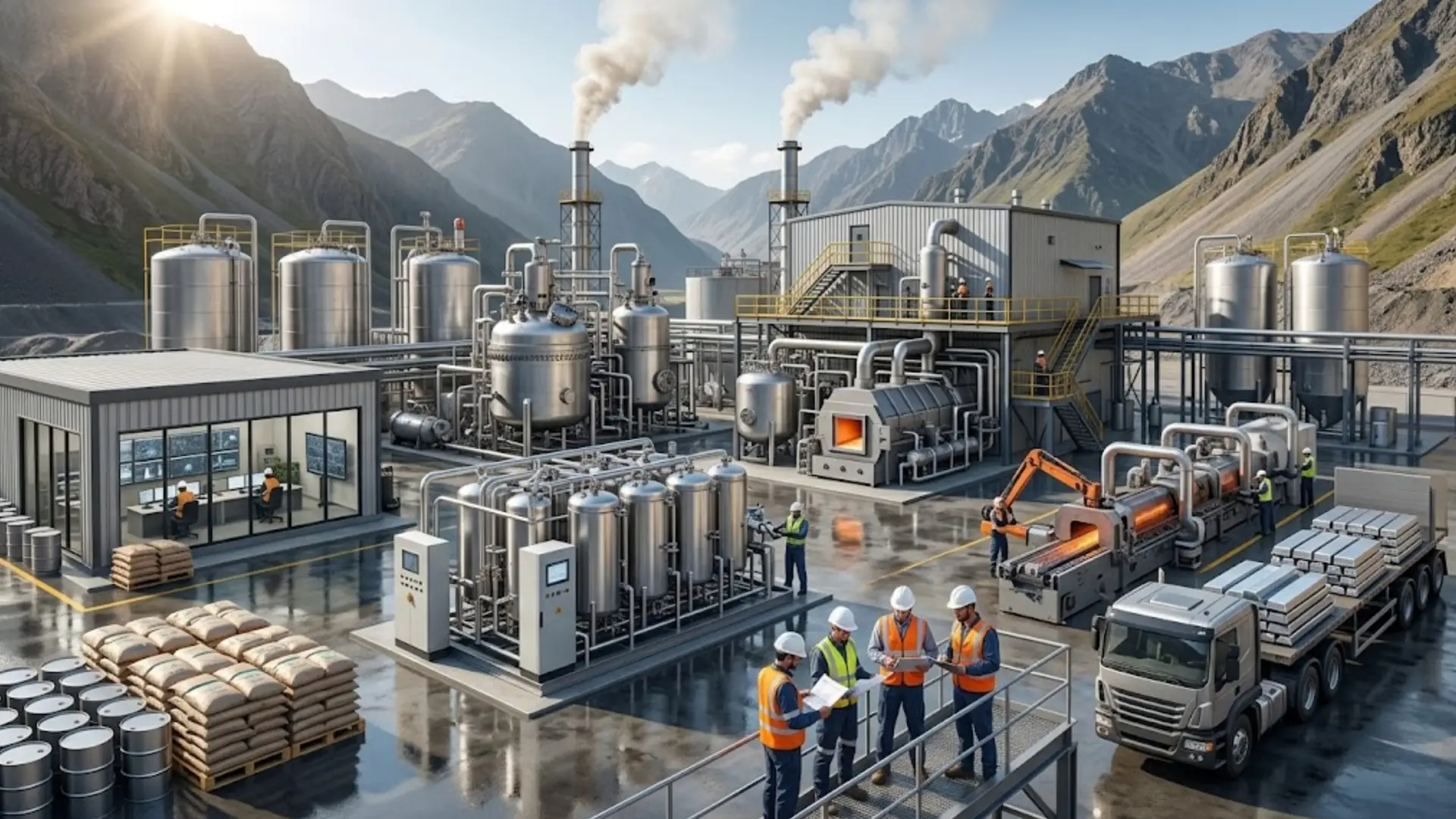
Every Business Model for Refinery Plant depends on a clear process flow. The exact route changes by metal type, but the business logic remains similar.
Step 1: Feed Receiving and Sampling
The plant receives ore concentrate, dore, scrap, or intermediate material. Sampling and assaying are critical because they define payment, recovery targets, and process settings.
Step 2: Crushing, Grinding, or Pre-Treatment
If the feed is solid mineral material, it may need crushing, grinding, drying, blending, or roasting. This step prepares the material for chemical or thermal refining.
Step 3: Leaching or Smelting
Depending on the plant design, value metals are separated using hydrometallurgical or pyrometallurgical methods. Leaching uses chemical solutions to dissolve target metals. Smelting uses high heat to separate valuable material from gangue or impurities.
Step 4: Solution Purification or Melt Cleaning
This is where the real refining happens. Impurities are removed in stages to reach the target metal quality. In practical terms, this is like filtering dirty oil multiple times until only the useful, clean fraction remains.
Step 5: Recovery and Separation
Metals are recovered through precipitation, electrowinning, reduction, casting, or crystallization depending on the product route.
Step 6: Final Refining
The product is refined further to reach commercial or industrial specifications. This may include fire refining, electrorefining, chemical refining, or vacuum-based finishing.
Step 7: Casting, Packaging, and Dispatch
The final product is cast into bars, ingots, granules, or packaged industrial compounds. Documentation, purity certification, and logistics planning are part of the commercial value.
Step 8: Residue and Effluent Handling
Waste streams, off-gases, and residues are treated to meet environmental rules and recover any remaining value.
A well-planned process supports stronger margins because every extra point of recovery can improve plant economics.
6. Equipment Required for a Refinery Plant
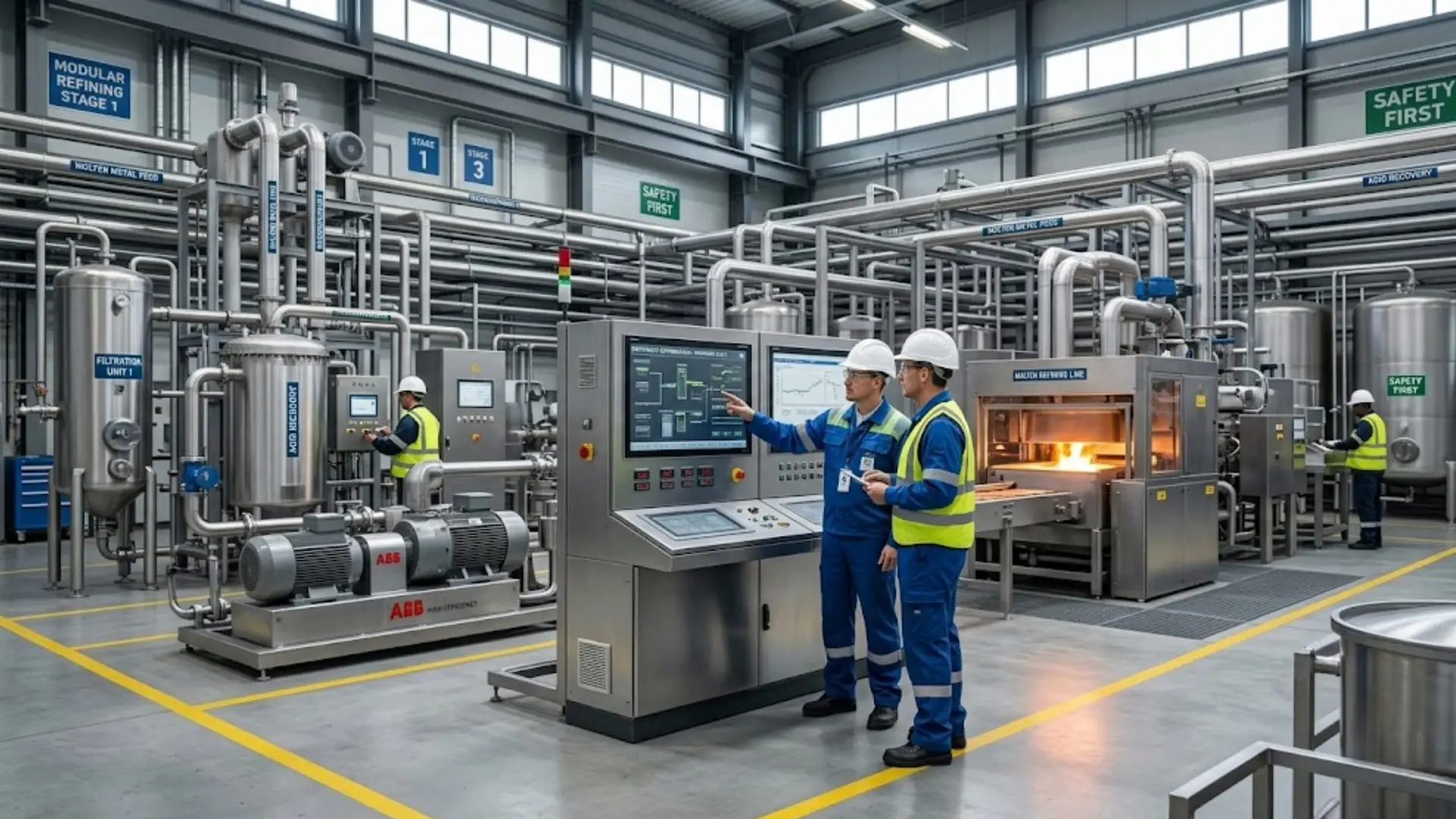
The equipment list depends on the metal and process route, but most refinery projects include the following core systems:
-
Feed receiving and weighing systems
-
Sampling and assay equipment
-
Crushers and grinding mills
-
Dryers or roasters
-
Leaching tanks or reactors
-
Smelting furnace or melting furnace
-
Filtration systems
-
Thickeners and clarifiers
-
Electrowinning cells or electrorefining units
-
Chemical dosing systems
-
Pumps, piping, and valves
-
Dust collection and gas handling systems
-
Effluent treatment plant
-
Casting machines or mold systems
-
Laboratory and quality control instruments
-
Control panel, PLC, and automation systems
For buyers comparing suppliers, equipment quality matters because downtime destroys profitability. That is why many clients now prefer integrated suppliers that understand both process engineering and the business goals behind a gold refining plant or multi-metal refining system.
7. Plant Capacity Options from 10 to 1000 TPD
A flexible Business Model for Refinery Plant should match plant size to feed availability and market access. Capacity planning is one of the most important decisions in the whole project.
10 to 30 TPD
This range is suitable for pilot commercial operations, small regional plants, niche feed streams, or early market entry. It lowers capital exposure and helps validate supply contracts.
50 to 100 TPD
This is often the sweet spot for areas with multiple small mines. It is large enough to capture economies of scale, but still manageable in terms of utilities, staffing, and feed variability.
150 to 300 TPD
This range suits growing regional hubs with stronger logistics and larger customer networks. It works well when the refinery expects regular feed from several districts or industrial sources.
500 to 1000 TPD
This is a more industrial-scale operation. It requires robust infrastructure, stronger environmental systems, secure long-term feed agreements, and more advanced working capital planning.
The right size is not always the biggest size. Oversizing a plant before feed supply is stable can create underutilization, which quickly hurts margins. In many target markets, a modular buildout starting from smaller capacity is often the safer commercial path.
8. Energy Consumption Details
Energy cost is a core part of any Business Model for Refinery Plant because it directly affects operating cost per ton and overall profitability.
Hydrometallurgical plants generally consume more electricity for pumps, agitation, filtration, and electrowinning. Pyrometallurgical routes often consume more thermal energy because of furnaces, dryers, and high-temperature separation.
Typical energy demand changes by feed type, moisture, impurity level, target purity, and automation level. A small refining plant may operate with relatively moderate power demand if it uses compact hydrometallurgical circuits. A smelting-heavy plant will usually require much higher fuel or electrical energy input.
From a planning standpoint, you should evaluate energy in three parts. First is installed load. Second is power used per ton of feed. Third is energy used per unit of recovered metal.
In countries where grid reliability is weak, backup generation becomes part of the business model. This is not just an engineering issue. It affects contract commitments, maintenance planning, and delivery timelines. A refinery that cannot maintain stable operations will struggle to win long-term industrial buyers.
9. Cost Estimation for Refinery Projects
A realistic Business Model for Refinery Plant must separate capital cost from operating cost.
Low-Cost Range
A smaller modular plant with basic automation, limited throughput, and simpler refining routes may fall into the low-cost category. This usually suits entry-level projects, toll refining models, or early-stage regional service plants.
Medium-Cost Range
A mid-size plant with stronger laboratory systems, better environmental controls, improved automation, and multi-stage refining fits the medium-cost range. This is often the best balance for serious commercial operations.
High-Cost Range
A high-capacity plant with advanced emission controls, deep purification stages, strong automation, and broader product flexibility falls into the high-cost range. These projects need strong feed security and financial planning.
Operating cost usually includes labor, reagents, energy, maintenance, assay, consumables, transport, compliance, and waste management. Working capital is also critical because many refineries must buy feed or hold material before final settlement.
One of the biggest mistakes investors make is focusing only on plant purchase cost. The better question is this: what is the cost per ton processed and the cost per unit of recovered saleable metal?
10. ROI and Profitability Analysis
A strong Business Model for Refinery Plant is built around margin control. Profitability depends on feed grade, recovery rate, treatment charges, refining charges, product premiums, by-product credits, and plant utilization.
Key Profit Drivers
Recovery rate is a major driver. Even a small improvement in metal recovery can change annual profit significantly.
Utilization is another major factor. A refinery running at 80 to 90 percent stable utilization usually performs much better than a bigger plant operating at half load.
Settlement speed also matters. Faster processing and payment cycles reduce working capital pressure.
Simple ROI Logic
If your plant buys feed and sells refined product, profit comes from the spread between input value plus operating cost and final product sales value.
If your plant runs as a service refinery, profit comes from treatment fees, refining fees, and efficient cost control.
In many regional markets, refinery projects become attractive when they combine three things: multiple feed sources, reliable offtake buyers, and transparent recovery accounting. Investors usually prefer this mix because it reduces dependence on one supplier or one product stream.
A well-positioned plant can achieve healthy returns if it secures regular supply from small mines and sells into industrial or export markets at consistent purity levels.
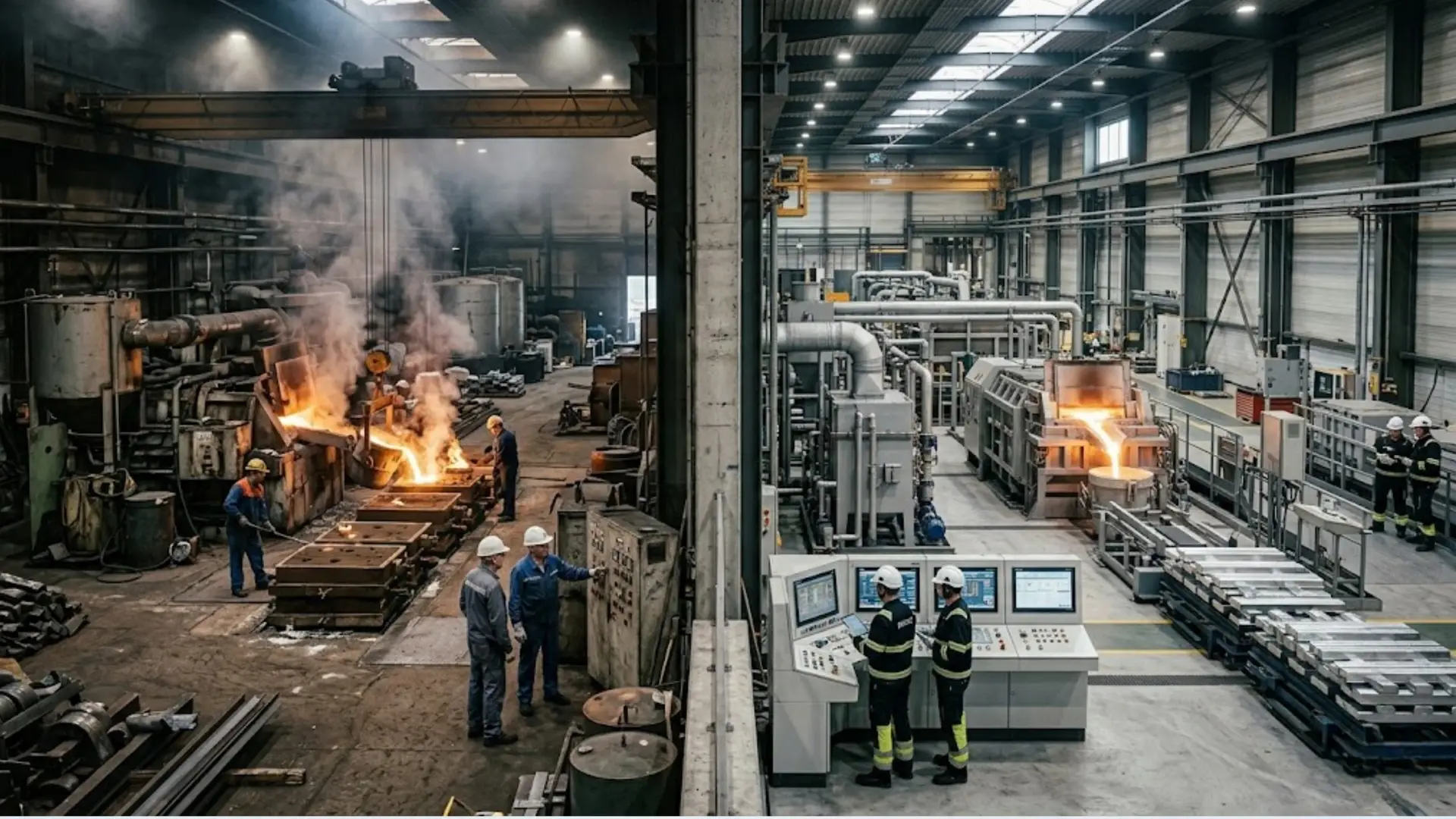
11. Comparison with Traditional Methods
Traditional processing methods often rely on exporting concentrates, using informal local treatment, or selling semi-processed material to external refiners. This may seem simple, but it often leaves money on the table.
A modern Business Model for Refinery Plant improves value capture in several ways.
First, it increases control over purity and quality. Second, it reduces dependence on third-party refiners. Third, it can shorten the time between production and sale. Fourth, it improves traceability and supports formal market access.
Traditional methods may also suffer from inconsistent recovery, weak documentation, lower transparency, and higher logistics costs. In contrast, a properly designed refinery can standardize output and improve commercial trust.
For industrial buyers, this is a big difference. They prefer refined products with clear specifications, reliable assay reports, and consistent supply schedules. That is why modern refining systems often outperform older methods in both pricing and customer retention.
12. Environmental Benefits
Environmental performance is no longer optional. It is a major part of the modern Business Model for Refinery Plant.
A properly engineered plant can reduce emissions, improve residue handling, recycle water, and control hazardous streams more effectively than informal or outdated refining methods. This matters to regulators, communities, investors, and export customers.
Modern plants can also recover more value from waste streams. That means less material is lost, and less waste is sent for disposal. Cleaner gas handling and better effluent treatment improve compliance and reduce long-term liability.
In practical business terms, environmental performance supports market access. Many buyers now prefer suppliers that can demonstrate cleaner processing and better traceability. For investors, this reduces regulatory risk and improves project credibility.
13. Real-World Use Cases and Applications
The best Business Model for Refinery Plant is the one matched to a real market need.
Regional Precious Metal Refining Hub
In a mining district with many small producers, a refinery can receive dore, concentrate, or precipitate from multiple mines and offer quick settlement. This creates a service-based hub model.
Integrated Mine-to-Metal Project
A mining company may build its own refinery to avoid selling semi-processed material at a discount. This improves control over quality, delivery, and final revenue.
Industrial Scrap and Secondary Recovery
A refinery can process scrap, residues, spent catalysts, electronic waste fractions, or process by-products where recoverable metals still exist.
Export-Oriented Refining
In some markets, a refinery is designed to meet export-grade purity standards. The plant earns by transforming variable local feed into internationally saleable products.
These applications are especially relevant in Peru, Bolivia, Mexico, Colombia, Ghana, Tanzania, Indonesia, and the Philippines, where distributed mining activity often supports regional refining demand.
14. Key Risks and How to Reduce Them
Every Business Model for Refinery Plant has risks, but most can be managed with good planning.
Feedstock risk is the biggest one. If supply is irregular, plant utilization falls. The solution is to secure multiple feed contracts and avoid dependence on one source.
Technical risk comes from poor plant design, low recovery, or weak maintenance. This can be reduced by selecting experienced engineering partners and proven process routes.
Market risk appears when output pricing is weak or buyer access is limited. Long-term offtake relationships help reduce this issue.
Compliance risk includes environmental, legal, and permitting challenges. These must be addressed early, not after construction.
Working capital risk is also critical. Many refinery businesses fail not because the process is bad, but because cash flow is poorly managed during feed purchase and settlement cycles.
15. How to Build a Market-Focused Refinery Business
If your goal is to attract industrial buyers, miners, or investors, your Business Model for Refinery Plant should be built around trust, speed, and technical credibility.
Start with a clear target market. Are you serving small mines, exporters, industrial metal users, or secondary feed suppliers? Then align capacity, process, and commercial terms to that market.
Keep your process transparent. Buyers trust data. Miners trust fair recovery. Investors trust numbers that match plant reality.
Use modular expansion where possible. It reduces early risk and supports scalable growth.
Build your commercial message around what customers actually want: reliable refining, strong recovery, transparent assays, environmental compliance, and consistent product quality.
For companies exploring project development, related service pages such as modular refining plant solutions, gold refining plant systems, and a mining setup guide can support stronger buyer education and lead conversion when integrated properly into your website structure.
Conclusion
A profitable Business Model for Refinery Plant is not only about technology. It is about turning raw or semi-processed material into a reliable business with better margins, stronger control, and long-term industrial demand. In mining regions with many small producers, the opportunity is especially strong.
If you build the right plant size, secure the right feed sources, manage energy and operating costs, and deliver transparent refining services, your refinery can become a powerful value-add business. For mining companies, buyers, engineers, and investors, the message is clear. Local refining is no longer just a processing step. It is a strategic business opportunity.
For project discussions, technical consultation, or refinery plant development, you can connect with AVIMETAL at avimetal.com, C/O AINFOX, 2060 Faith Industrial Dr., Buford, GA 30518, email jgim@avimetal.com, or contact +1 470 5648883 via text message, WhatsApp, or Telegram.
FAQs
What is the best Business Model for Refinery Plant for small mining regions?
The best model is usually a regional service refinery that accepts feed from multiple small and medium mines. This reduces supply risk, improves plant utilization, and creates recurring revenue through treatment and refining charges.
How much does a refinery plant cost?
Refinery plant cost depends on capacity, metal type, automation level, environmental systems, and process complexity. Small modular projects fall into the low-cost range, mid-size commercial plants fit the medium-cost range, and large industrial plants with advanced controls fit the high-cost range.
What capacity should I choose for a refinery plant?
Capacity should match real feed availability, not only growth expectations. For many regional markets, 50 to 100 TPD is a practical starting point because it balances investment, operating efficiency, and supply flexibility.
Is a Business Model for Refinery Plant profitable?
Yes, it can be highly profitable when the plant has secure feedstock, strong recovery rates, reliable utilization, and access to quality buyers. Profitability improves further when by-products are recovered and working capital is managed well.
How long does it take to achieve ROI in a refinery project?
ROI timing depends on plant cost, feed stability, recovery performance, and commercial structure. Projects with modular design, multiple feed suppliers, and fast sales cycles usually reach payback faster than oversized plants with unstable supply.