Chemical vs Physical Refining Methods
Introduction
When you are choosing a refining route for a mining or mineral processing project, the biggest question is often not whether refining is needed, but which refining method gives you the best return. For many mining companies, industrial buyers, engineers, and investors, the decision usually comes down to Chemical vs Physical Refining Methods. For a full overview and comparison, this Chemical vs Physical Refining Methods Guide will help clarify which process suits your needs.
This is an important choice because the refining method affects your product purity, operating cost, plant size, energy use, environmental footprint, and long-term profitability. A method that works well for one ore body, metal stream, or concentrate may not be the best fit for another.
In simple terms, refining is like cleaning water through different filters. Sometimes you need a chemical treatment to remove dissolved impurities. Other times, a physical separation step is enough to remove unwanted material. The right approach depends on what is inside your feed material and what final product your market requires.
This guide explains Chemical vs Physical Refining Methods in a practical, industry-focused way so you can evaluate which option is better for your operation, budget, and target market in regions such as Peru, Bolivia, Mexico, Colombia, Ghana, Tanzania, Indonesia, and the Philippines, where many small and medium mining operations are actively looking for efficient refining solutions.
Table of Contents
| Sr# | Headings |
|---|---|
| 1 | Overview of Chemical vs Physical Refining Methods |
| 2 | Why Refining Method Selection Matters |
| 3 | What Is Chemical Refining |
| 4 | What Is Physical Refining |
| 5 | Step-by-Step Process Explanation |
| 6 | Equipment Required for Each Method |
| 7 | Plant Capacity Options from 10 to 1000 TPD |
| 8 | Energy Consumption Details |
| 9 | Cost Estimation for Different Project Sizes |
| 10 | ROI and Profitability Analysis |
| 11 | Comparison with Traditional Methods |
| 12 | Environmental Benefits and Compliance Value |
| 13 | Real-World Use Cases and Applications |
| 14 | How to Choose the Right Method for Your Plant |
| 15 | Conclusion |
| 16 | FAQs |
1. Overview of Chemical vs Physical Refining Methods
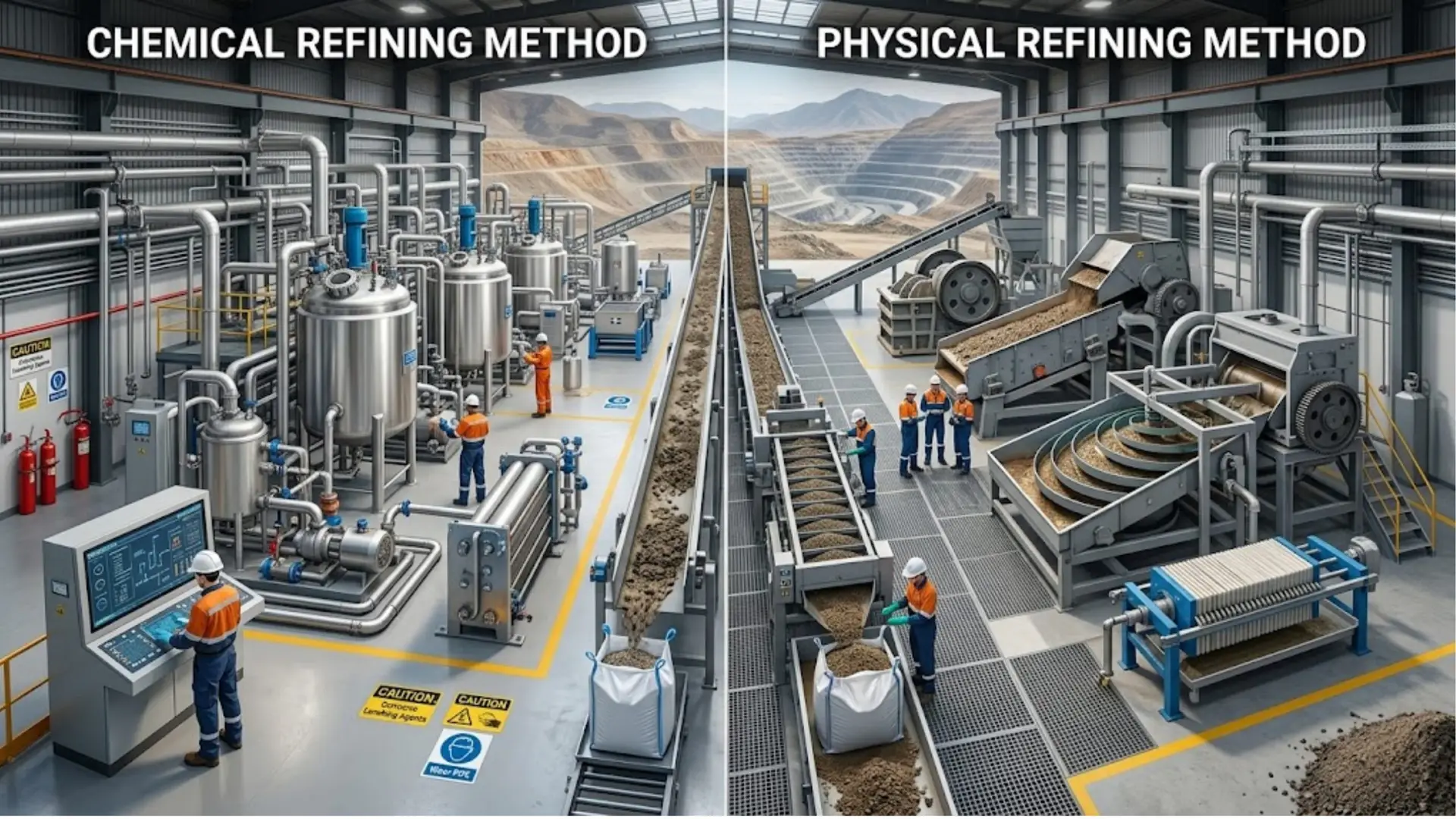
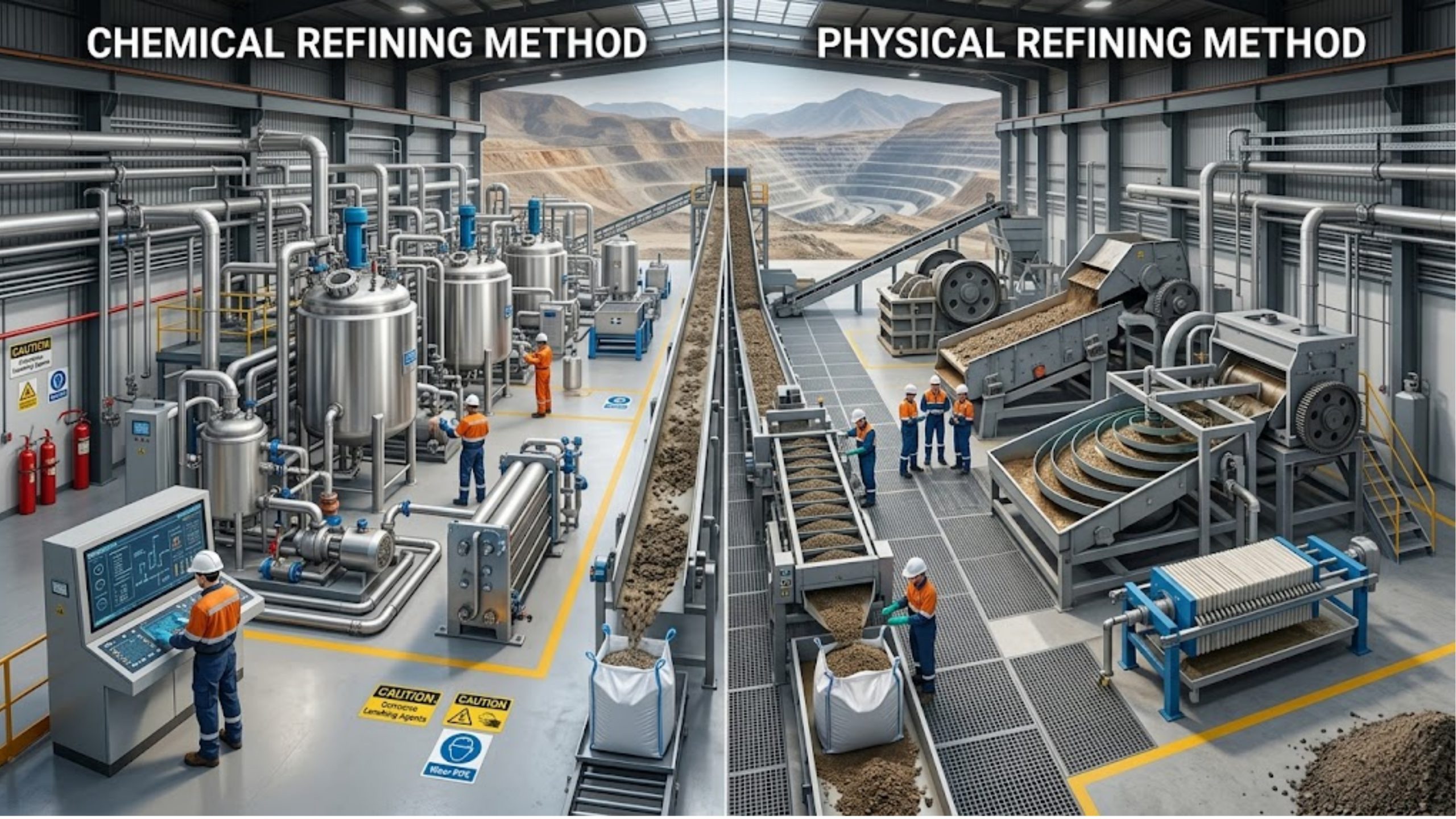
Chemical vs Physical Refining Methods refers to two major ways of improving the purity of mineral, metal, or processed material streams.
Chemical refining uses reagents, reactions, and controlled chemistry to dissolve, precipitate, separate, or purify target material. This method is common when impurities are chemically bound to the main product or when very high purity is required.
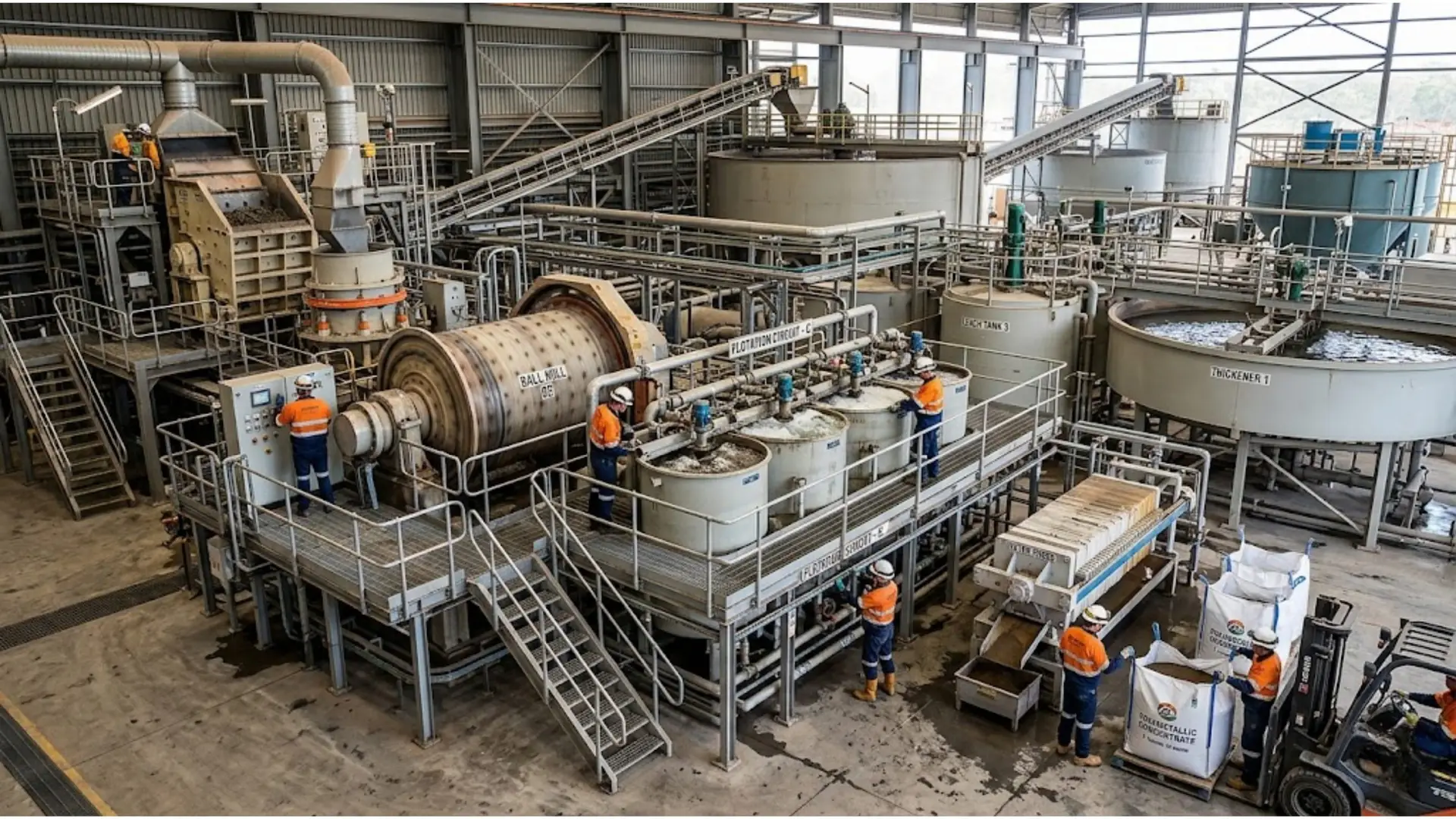
Physical refining uses mechanical or process-based separation techniques such as filtration, gravity separation, screening, magnetic separation, settling, centrifuging, or thermal phase separation. It works best when the unwanted material can be removed based on size, density, magnetic behavior, or another physical property.
For mining companies and industrial buyers, the difference is practical. Chemical refining often gives higher purity but usually needs more reagents, stronger process control, and waste treatment. Physical refining is often simpler and cheaper to operate, but it may not remove fine or chemically associated impurities as effectively.
That is why understanding Chemical vs Physical Refining Methods is critical before you invest in a new plant or expand an existing one.
2. Why Refining Method Selection Matters
Your refining method affects almost every business outcome in the project.
Product quality is the first factor. If your buyers demand premium-grade material, a higher-purity chemical route may be necessary. If your target market can accept industrial-grade material, physical refining may be enough.
Capital cost also changes significantly. Physical systems often require less complex infrastructure, while chemical systems may need tanks, reactors, pumps, dosing systems, and effluent handling units.
Operating cost is another key point. A plant with low reagent usage may look attractive over the long term, especially in remote mining regions where supply chains are weak.
For countries with many small mines such as Ghana, Tanzania, Peru, Bolivia, and the Philippines, the best solution is often the one that balances recovery, purity, simplicity, and field practicality. Investors also look closely at this decision because method selection directly affects plant payback period and margin stability.
3. What Is Chemical Refining
Chemical refining is a purification process where chemical reactions are used to separate valuable material from impurities.
In mining and refining, this may include:
Leaching, where chemicals dissolve the valuable metal or desired compound
Precipitation, where the target material is recovered from solution
Neutralization, where harmful components are controlled
Solvent extraction, where selected chemicals pull valuable elements from a liquid stream
Electrochemical refining, where purity is increased through controlled current flow
This method is especially useful when impurities are too fine, too chemically attached, or too similar in physical behavior to be removed by mechanical means alone.
Where chemical refining works best
Low-grade concentrates needing high-purity output
Materials with complex impurity profiles
Projects targeting premium industrial or export markets
Operations that need selective recovery of valuable elements
The main strength of chemical refining is precision. You can target specific contaminants and achieve a more controlled final product.
The challenge is that it requires trained operators, reagent handling, process monitoring, and proper waste management.
4. What Is Physical Refining
Physical refining removes impurities without relying heavily on chemical reactions. Instead, it uses the physical differences between particles or phases.
Examples include:
Gravity separation
Filtration and dewatering
Magnetic separation
Cyclones and classifiers
Centrifugal separation
Drying and thermal separation
Screening and sorting
This route is often preferred when the feed material already has a decent grade and the impurities are easier to separate physically.
Where physical refining works best
Pre-concentrated feed streams
Operations with limited reagent availability
Smaller mines needing simpler systems
Sites where water treatment capacity is limited
In many remote operations, physical refining can be the most practical first step. It is often easier to install, easier to maintain, and less dependent on chemical logistics.
Still, Chemical vs Physical Refining Methods is not always an either-or decision. Many modern plants combine both.
5. Step-by-Step Process Explanation
A practical understanding of Chemical vs Physical Refining Methods becomes easier when you see the process flow.
A. Typical Physical Refining Process
Feed preparation
Raw ore, concentrate, or semi-processed material is crushed, screened, or classified.
Primary separation
Gravity, magnetic, or density-based equipment removes coarse impurities.
Fine separation
Filters, centrifuges, or other physical units remove finer unwanted material.
Drying or finishing
The refined product is dried, sized, and prepared for shipment or further upgrading.
This is like using several layers of sieves and filters to separate useful material from unwanted particles.
B. Typical Chemical Refining Process
Feed preparation
Material is crushed, ground, or conditioned to improve chemical access.
Reaction stage
The feed is mixed with selected reagents in reactors or leach tanks.
Separation stage
Dissolved values or impurity phases are separated from solids or liquids.
Recovery stage
The target material is recovered by precipitation, extraction, crystallization, or electro-refining.
Washing and drying
Recovered product is cleaned and dried for final use or sale.
Waste and water treatment
Spent solutions and residues are treated before discharge or recycling.
This method is like using a cleaning liquid to dissolve dirt that cannot be removed by a simple filter alone.
C. Hybrid Process Route
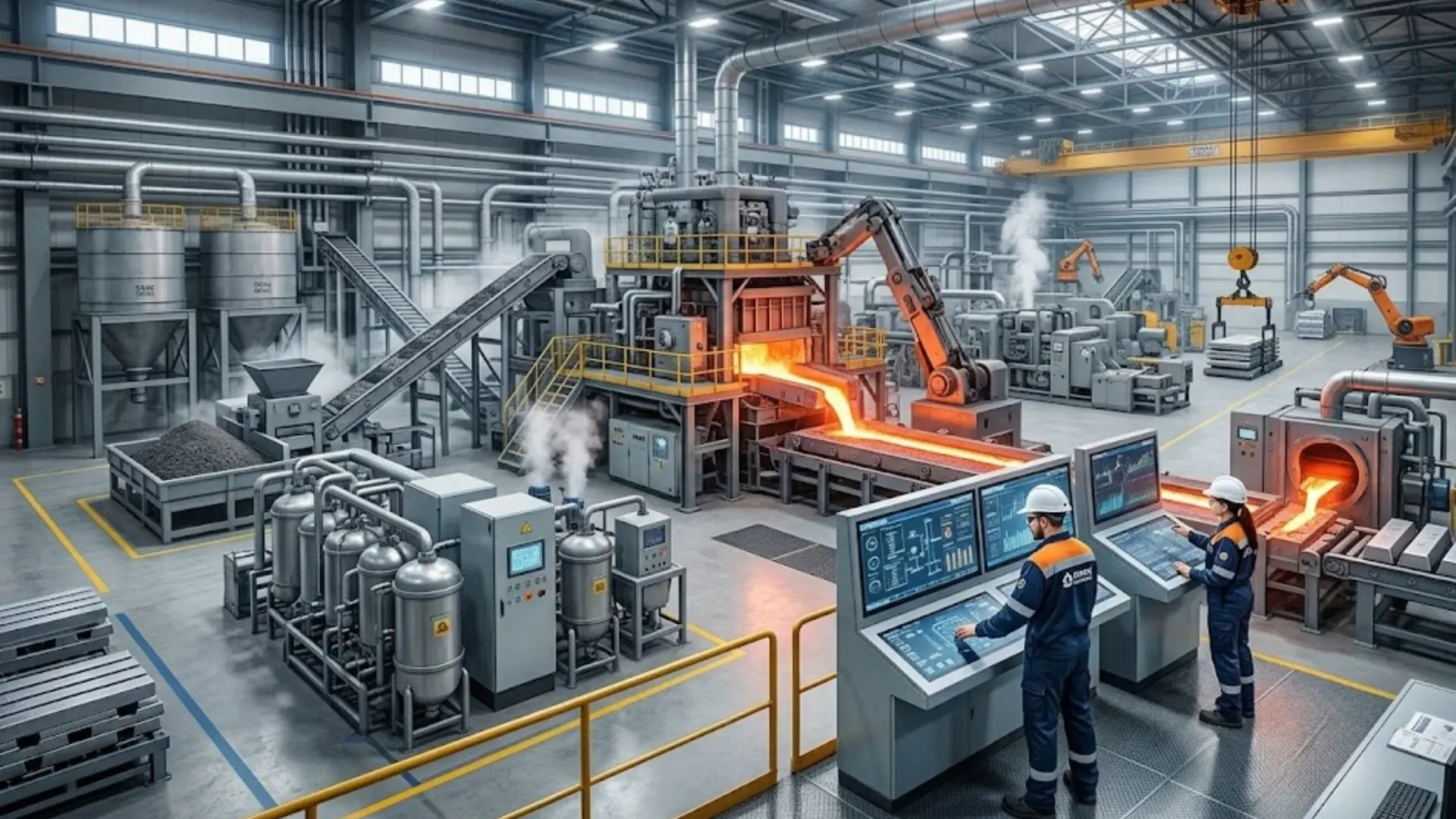
Many modern plants use a physical pre-cleaning stage followed by a chemical finishing stage. This reduces reagent consumption and improves economics.
For example, a mine in Colombia or Indonesia may first upgrade concentrate physically, then use a chemical refining stage to reach export-grade purity.
6. Equipment Required for Each Method
The right equipment depends on feed type, impurity profile, and plant scale. Below is a practical list for buyers evaluating Chemical vs Physical Refining Methods.
Physical Refining Equipment List
-
Jaw crusher or hammer mill
-
Screens and classifiers
-
Gravity separators
-
Magnetic separators
-
Hydrocyclones
-
Filter press
-
Thickener
-
Centrifuge
-
Dryer
-
Conveyors and storage bins
Chemical Refining Equipment List
-
Feed tank and slurry tank
-
Leach reactors
-
Agitators and mixers
-
Reagent dosing system
-
Pumps and piping
-
Settling tank or clarifier
-
Filter press
-
Solvent extraction unit
-
Electrowinning or electro-refining cell
-
Neutralization tank
-
Water treatment unit
-
Fume collection and safety system
For many industrial buyers, modular layout is important. A well-designed modular refining plant can reduce installation time and improve expansion flexibility.
7. Plant Capacity Options from 10 to 1000 TPD
Plant sizing should match feed availability, ore grade, and market demand. In Chemical vs Physical Refining Methods, plant capacity strongly affects equipment selection and cost structure.
10–30 TPD
This range suits small mines, pilot plants, and early-stage commercial operations. It is common in developing mining regions where operators want proof of concept before expanding.
Physical refining is often more affordable at this scale, but a compact chemical system may still be viable for high-value products.
50–100 TPD
This is a good size for growing mining operators. It balances manageable capital cost with meaningful production volume.
At this level, hybrid refining becomes attractive because you can physically remove bulk impurities first and chemically polish the product.
200–500 TPD
This capacity is suitable for mid-size commercial operations serving industrial buyers or export channels. Process automation becomes more important, especially for chemical circuits.
500–1000 TPD
This range fits large integrated plants or mining groups with consistent feed supply. At this scale, energy optimization, water recycling, and advanced control systems become essential.
For many buyers in Peru, Mexico, Ghana, and Tanzania, starting with a smaller modular line and scaling in stages is often the safest investment approach.
8. Energy Consumption Details
Energy use is one of the most important differences in Chemical vs Physical Refining Methods.
Physical Refining Energy Profile
Physical refining usually consumes energy through:
Crushing and grinding
Pumps and conveyors
Screening and separation equipment
Drying and dewatering
Typical power demand is often moderate, but it can rise sharply if fine grinding is required.
Chemical Refining Energy Profile
Chemical refining uses energy for:
Agitation and pumping
Heating or temperature control
Electrochemical units
Solution circulation
Water treatment and ventilation systems
Chemical systems may use less mechanical force in some stages but can consume more total energy if thermal or electrochemical steps are involved.
Indicative Range
As a broad project-level estimate:
Low-intensity physical refining: 15–35 kWh per ton
Mixed physical plus chemical refining: 30–80 kWh per ton
High-purity chemical refining: 60–150+ kWh per ton
Actual consumption depends on feed hardness, moisture, recovery target, and purity requirement. Engineers should always verify energy balance during design.
9. Cost Estimation for Different Project Sizes
Cost depends on metal type, impurity complexity, automation level, local labor cost, and environmental controls. Still, a broad estimate helps investors and buyers compare Chemical vs Physical Refining Methods.
Low Cost Setup
Approximate range: small physical or simple hybrid system
Best for: 10–50 TPD plants
Profile: basic mechanical separation, limited automation, simple civil work
This option is attractive for small mines in Bolivia, Tanzania, and the Philippines where cash preservation matters.
Medium Cost Setup
Approximate range: mid-size hybrid or controlled chemical plant
Best for: 50–200 TPD plants
Profile: modular reactors, dosing systems, filtration, partial automation, wastewater handling
This is often the sweet spot for serious commercial operators.
High Cost Setup
Approximate range: advanced chemical refining line with full environmental and control systems
Best for: 200–1000 TPD plants
Profile: high-purity output, automated controls, safety systems, strong compliance design
Cost Drivers
Feed complexity
Required final purity
Reagent consumption
Imported equipment
Power availability
Water treatment and environmental permits
When you compare Chemical vs Physical Refining Methods, the cheaper plant is not always the more profitable one. Final recovery and product value matter more than initial capex alone.
10. ROI and Profitability Analysis
Investors and project owners usually care about one thing: how quickly the plant pays back.
Key ROI Factors
Feed grade and consistency
Recovery rate
Final product purity
Operating cost per ton
Selling price premium
Downtime and maintenance frequency
A chemical route may cost more, but if it lifts purity enough to unlock a premium market, the return can still be stronger.
Simple Profitability Example
Imagine two plants processing similar feed.
A physical refining plant produces lower operating cost but sells at a standard market price.
A chemical refining plant has higher operating cost, but the final product meets premium buyer specification and sells at a higher margin.
In that case, the more expensive route may still deliver better annual profit.
Typical ROI Outlook
Small physical systems: faster payback, often 12–24 months if feed is reliable
Hybrid systems: balanced payback, often 18–30 months
Advanced chemical plants: longer payback, often 24–48 months, but stronger upside if premium markets are secured
This is why Chemical vs Physical Refining Methods should always be evaluated together with your target customers, not just your process engineer.
11. Comparison with Traditional Methods
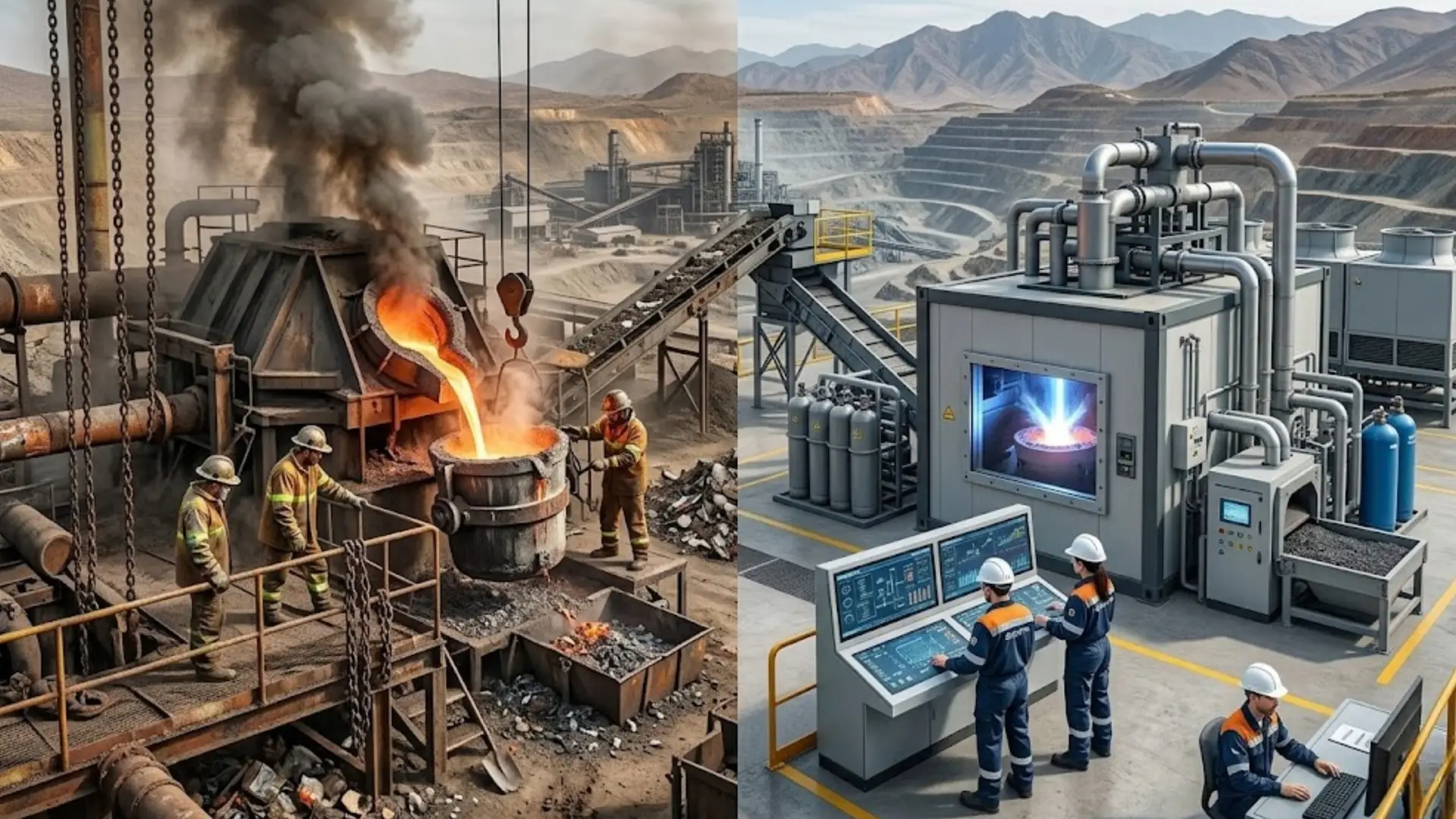
Traditional refining in many small mining regions may rely on manual sorting, basic washing, low-efficiency separation, or outdated chemical practice with poor control.
Traditional Method Limitations
Lower recovery
Inconsistent product quality
Higher hidden losses
Weak environmental performance
Limited scalability
Modern Physical Refining Advantages
Better consistency
Lower labor dependence
Improved throughput control
Reduced product loss
Modern Chemical Refining Advantages
Higher purity
Selective impurity removal
Greater market flexibility
Potential to recover secondary values
Compared with traditional approaches, modern Chemical vs Physical Refining Methods give you much better data, better quality control, and better confidence for industrial buyers.
For companies building a gold refining plant or broader mineral processing line, this upgrade can be the difference between local resale and long-term industrial supply contracts.
12. Environmental Benefits and Compliance Value
Environmental performance is no longer optional. Buyers, investors, and regulators increasingly want cleaner refining systems.
Physical Refining Environmental Benefits
Lower reagent use
Reduced chemical storage risk
Simpler waste streams
Often easier operator training
Chemical Refining Environmental Benefits When Properly Designed
Improved impurity capture
Better control of hazardous elements
Opportunity for water recycling
Reduced uncontrolled emissions compared with informal processing
The real benefit comes from system design. A properly engineered chemical plant with wastewater treatment, reagent control, and safe residue handling can be far cleaner than informal traditional refining.
For exporters serving global industrial markets, strong environmental design also improves financing potential and buyer confidence.
13. Real-World Use Cases and Applications
The value of Chemical vs Physical Refining Methods becomes clear in practical applications.
Small Gold and Polymetallic Mines
In countries such as Peru, Colombia, Ghana, and Tanzania, many small mines need compact systems that improve concentrate value before sale. Physical pre-concentration is often the starting point, followed by selective chemical upgrading where required.
Industrial Mineral Upgrading
For industrial minerals, physical refining may handle coarse impurity removal, while chemical treatment may be used when buyer specs require tighter purity limits.
Battery and Specialty Material Streams
Higher-value products often need controlled chemical refining because impurity thresholds are strict and premium pricing depends on consistent grade.
Investor-Led Greenfield Projects
New projects often choose hybrid routes because they provide flexibility. You can begin with a basic physical system, validate feed behavior, then add chemical stages as volume grows.
Contract Refining and Toll Processing
Plants designed for third-party feed benefit from flexible process design. Because feed composition changes from supplier to supplier, combining physical and chemical routes gives better commercial resilience.
If you are developing a project roadmap, a strong mining setup guide should always include refining route selection early in the study phase.
14. How to Choose the Right Method for Your Plant
The best choice in Chemical vs Physical Refining Methods depends on your actual business case.
Choose Physical Refining If
Your feed is already relatively clean
You need lower capex and simpler operation
Your site has limited reagent supply
You want easier maintenance in remote areas
Choose Chemical Refining If
You need higher purity
Impurities are chemically bound
You are targeting premium industrial buyers
Your project can support stronger technical control
Choose a Hybrid Route If
You want the best balance of cost and purity
You need scalable plant design
You expect changing feed quality over time
For many buyers in target markets with many small mines, hybrid systems are often the most commercial answer. They allow you to reduce waste early, protect downstream units, and keep the plant flexible as your operation grows.
Conclusion
Choosing between Chemical vs Physical Refining Methods is not just a technical decision. It is a business decision that shapes your plant cost, operating risk, product quality, and long-term profitability.
If your priority is simplicity, lower capex, and easier field operation, physical refining may be the right starting point. If your priority is high purity, premium pricing, and better control over complex impurities, chemical refining may create stronger value. In many cases, the smartest solution is a hybrid flow sheet that combines both.
For mining companies, industrial buyers, engineers, and investors, the best results come from selecting a refining method that fits your feed material, market demand, budget, and expansion plan.
For project discussions, plant design support, and commercial inquiries related to refining systems, you can contact:
AVI Metal
Website: avimetal.com
Address: C/O AINFOX, 2060 Faith Industrial Dr., Buford, GA 30518
Email: jgim@avimetal.com
Text Message / WhatsApp / Telegram: +1 470 564 8883
FAQs
1. What is the main difference between Chemical vs Physical Refining Methods?
The main difference is that chemical refining uses reagents and chemical reactions to remove impurities, while physical refining uses mechanical or process-based separation methods such as gravity, filtration, or magnetic separation. Chemical methods usually achieve higher purity, while physical methods are often simpler and cheaper to operate.
2. Which refining method is more cost-effective for small mines?
For many small mines, physical refining is usually more cost-effective at the beginning because it has lower equipment complexity and lower reagent dependence. However, if your buyers require high-purity output, a compact chemical or hybrid system may give better long-term returns.
3. What plant capacity is suitable for Chemical vs Physical Refining Methods?
Both methods can be designed for 10 to 1000 TPD or more. Small operations often begin at 10–50 TPD, growing mines commonly choose 50–200 TPD, and larger industrial plants may operate in the 200–1000 TPD range.
4. Is chemical refining more profitable than physical refining?
Not always. Chemical refining can be more profitable when it unlocks higher purity and better selling prices, but it also has higher operating and compliance costs. Profitability depends on feed grade, product market, reagent cost, and recovery performance.
5. Can a plant combine Chemical vs Physical Refining Methods?
Yes. In fact, many modern refining plants use a hybrid approach. Physical separation removes bulk impurities first, then chemical refining improves final purity. This often reduces reagent consumption and gives a better balance between cost and performance.
Read more: https://avimetal.com/blogs/