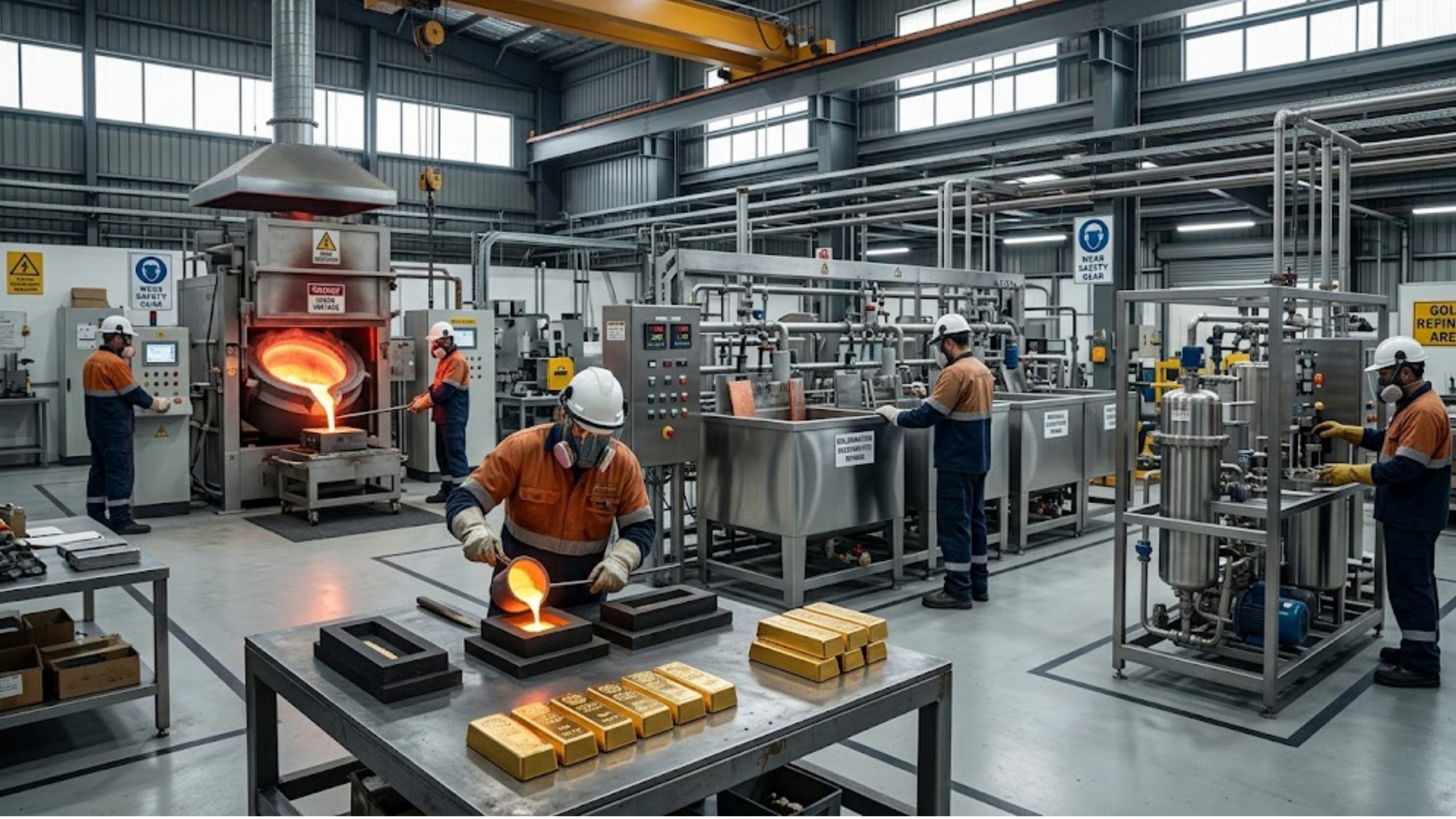
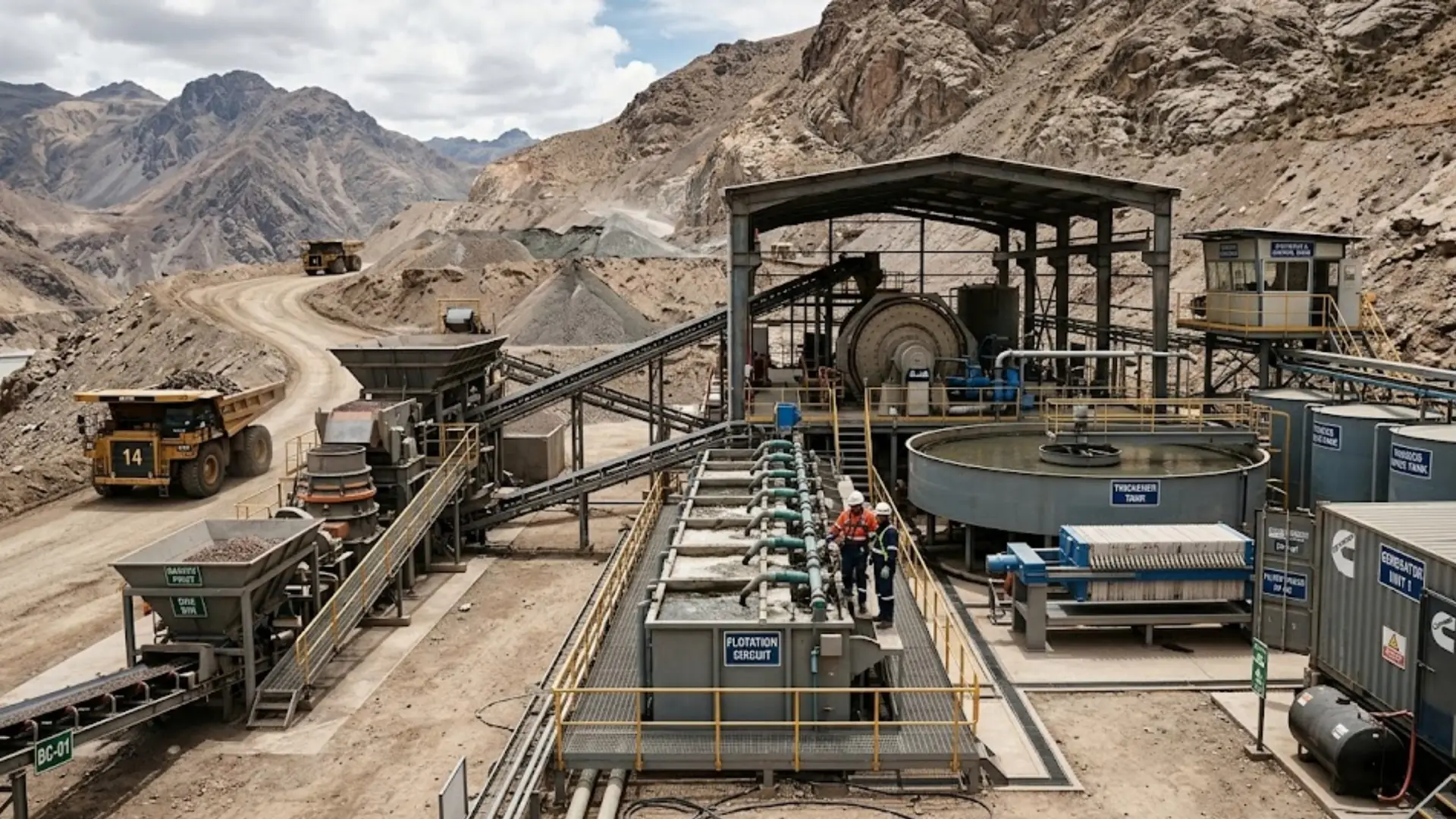
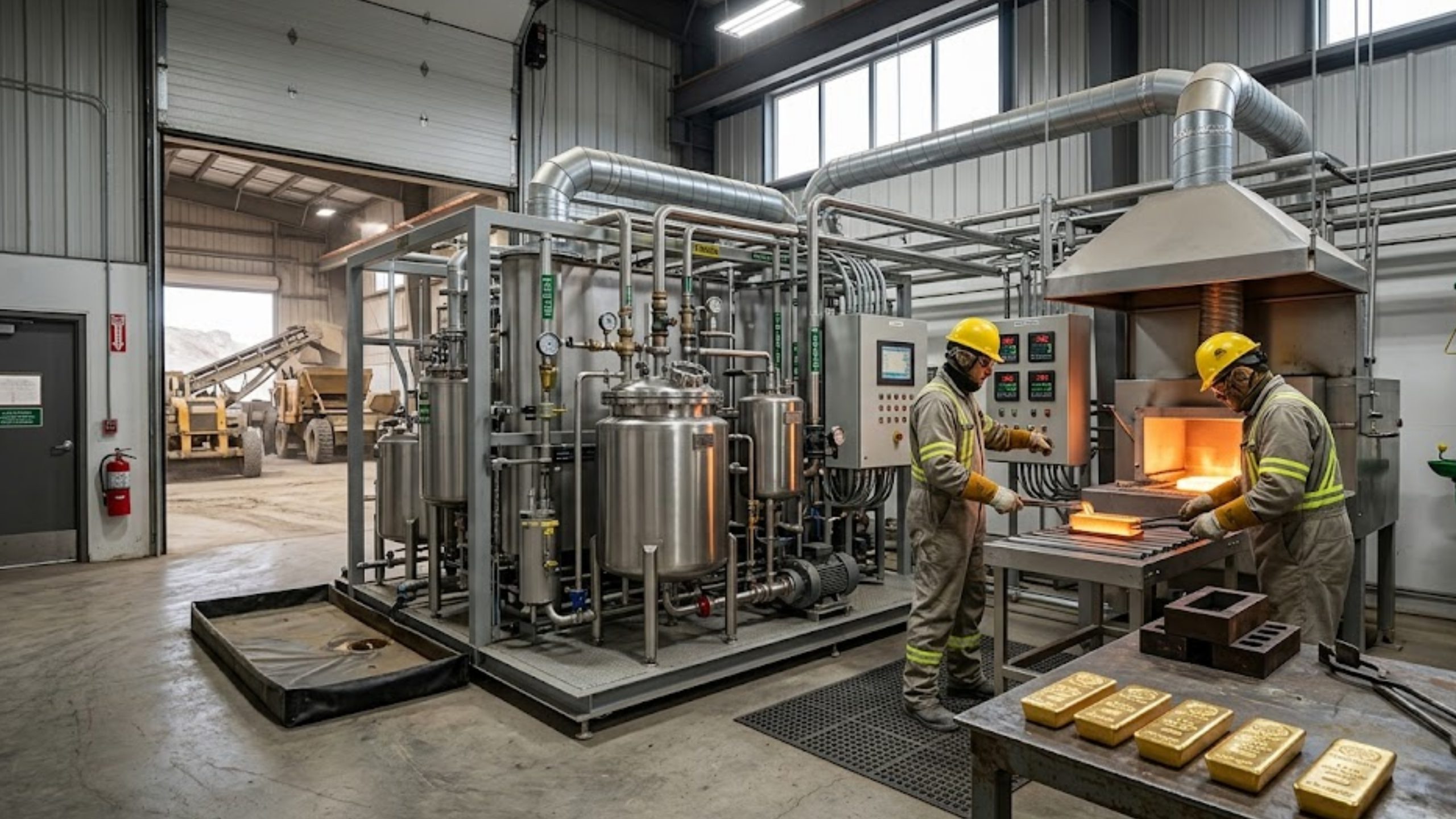
Plasma Smelting Technology Explained
Introduction
Many mining companies, industrial buyers, and project investors face the same challenge: how do you recover more value from complex ores, difficult concentrates, and metallurgical waste without relying only on older, less flexible furnace systems? Plasma Smelting Technology Explained for Mining Buyers can offer new solutions for those looking to modernise their operations.
That is where Plasma Smelting Technology Explained becomes important. If you are planning a new plant, upgrading an existing recovery line, or evaluating a modular refining solution for high-value metals, plasma smelting can offer a cleaner, hotter, and more controllable route. It is especially attractive in regions with many small and mid-sized mines where feed quality often changes and operational flexibility matters.
For companies targeting markets such as Peru, Bolivia, Mexico, Colombia, Ghana, Tanzania, Indonesia, and the Philippines, plasma smelting can be positioned as a practical technology for treating concentrates, tailings, residues, and complex feedstocks. This article gives you a detailed but simple explanation of how the technology works, what equipment it needs, what it costs, and how profitable it can be for real industrial operations.
Table of Contents
| Sr# | Headings |
|---|---|
| 1 | Overview of Plasma Smelting Technology Explained |
| 2 | Why Plasma Smelting Matters in Modern Mining |
| 3 | How Plasma Smelting Works |
| 4 | Step-by-Step Process Explanation |
| 5 | Main Equipment Used in a Plasma Smelting Plant |
| 6 | Feed Materials Suitable for Plasma Smelting |
| 7 | Plant Capacity Options from 10 to 1000 TPD |
| 8 | Energy Consumption Details |
| 9 | Cost Estimation for Plasma Smelting Plants |
| 10 | ROI and Profitability Analysis |
| 11 | Comparison with Traditional Smelting Methods |
| 12 | Environmental Benefits of Plasma Smelting |
| 13 | Real-World Use Cases and Industrial Applications |
| 14 | Country-Focused Market Opportunity and SEO Targeting |
| 15 | How to Choose the Right Plasma Smelting Partner |
| 16 | Conclusion |
| 17 | FAQs |
1. Overview of Plasma Smelting Technology Explained
Plasma smelting is a high-temperature metallurgical process that uses a plasma arc to generate extreme heat for melting, separating, and refining metal-bearing materials. In simple terms, it is a more advanced heating method than conventional combustion-based furnaces.
If you think of a traditional furnace as a large stove, plasma smelting is more like a precision cutting torch combined with a melting reactor. It can create very high temperatures quickly and maintain better control over the smelting environment. That matters when you are dealing with difficult ores, precious metal concentrates, electronic scrap, metallurgical residues, or low-grade by-products.
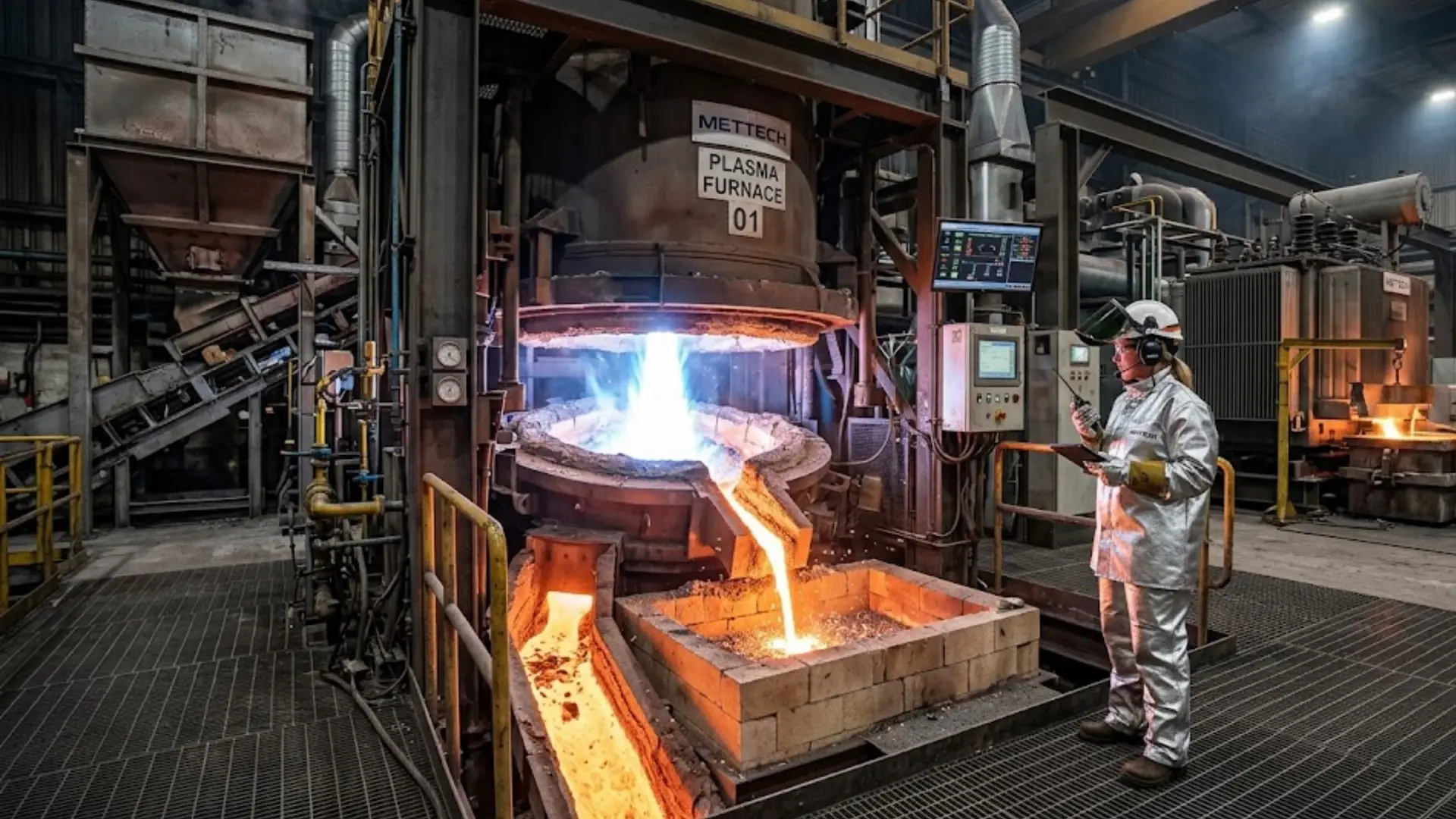
The reason Plasma Smelting Technology Explained matters to buyers is that it is not just about heat. It is about process control, metal recovery, flexibility, and reduced dependence on standard fuel-based systems.
2. Why Plasma Smelting Matters in Modern Mining
Modern mining is no longer only about extracting high-grade ore and sending it into a standard process line. Many mines today face declining grades, more impurities, and tighter environmental rules. At the same time, buyers want better metal recovery and more modular plant options.
This is where plasma smelting fits well. It can help you process materials that may not behave well in older systems. Examples include:
-
Complex sulfide concentrates
-
Precious metal-bearing residues
-
Smelter dust
-
Battery and e-waste fractions
-
Low-volume but high-value specialty feed
For small and medium mining operations, especially in Latin America, Africa, and Southeast Asia, flexibility is often more valuable than scale alone. Feed can change from month to month. Logistics can be difficult. Fuel quality can vary. A plasma-based system gives you more control over heat delivery and reaction conditions.
Another reason the topic is gaining attention is the push toward higher recovery and lower emissions intensity. Industrial buyers are not only asking what a plant can process. They are asking how efficiently it can process it, how much power it uses, how much slag it creates, and what the return on capital looks like.
3. How Plasma Smelting Works
At its core, plasma smelting uses ionized gas, called plasma, to generate an extremely hot arc. This arc transfers heat into the feed material inside a specially designed furnace. The material melts, chemical reactions take place, and metals separate from slag and impurities.
The process can be compared to water purification through multiple filters. In a normal filtration system, each filter removes unwanted particles step by step. In plasma smelting, the extreme heat and controlled furnace chemistry help separate the valuable metal phase from unwanted gangue, oxides, or contaminants. Instead of filtering water, you are purifying metal-bearing material through heat, chemistry, and phase separation.
Key Operating Principles
High temperature generation: Plasma arcs can achieve temperatures far higher than many conventional fuel-fired systems.
Controlled atmosphere: Operators can manage reducing or oxidizing conditions depending on the metal system.
Fast reaction kinetics: Higher temperatures often mean faster melting and chemical conversion.
Improved flexibility: The technology can treat a range of feed materials with less dependence on uniform input quality.
4. Step-by-Step Process Explanation
Understanding Plasma Smelting Technology Explained is easier when you break it into simple plant stages.
H3: 1. Feed Preparation
The raw material is first prepared. This may involve drying, crushing, screening, blending, or pelletizing depending on particle size and moisture.
H3: 2. Feed Charging
Prepared material is fed into the plasma furnace through controlled charging systems. Fluxes may also be added to support slag formation and improve separation.
H3: 3. Plasma Arc Heating
A plasma torch or electrode system creates a high-energy arc. This arc rapidly heats the feed and starts melting it.
H3: 4. Smelting Reaction
Inside the furnace, metal-bearing compounds break down, melt, and react. Valuable metals collect in a molten phase, while waste minerals move into slag.
H3: 5. Phase Separation
Because molten metal and slag have different physical and chemical properties, they separate naturally in the furnace bath.
H3: 6. Tapping
The molten metal and slag are tapped separately. Metal can move to refining or casting stages. Slag is cooled, tested, and managed or reused where possible.
H3: 7. Off-Gas Treatment
Furnace gases pass through a gas cleaning system to capture dust and control emissions.
H3: 8. Secondary Refining
Depending on your final product target, the metal may undergo additional refining, alloy adjustment, or casting.
This step-by-step sequence is one reason why Plasma Smelting Technology Explained appeals to engineers and plant planners. Each stage can be optimized for specific metal systems and feed conditions.
5. Main Equipment Used in a Plasma Smelting Plant
A complete plasma smelting facility includes more than the furnace alone. Your equipment selection affects plant stability, energy use, maintenance cost, and final recovery.
Typical equipment list includes:
-
Feed hopper and storage bins
-
Crushing and screening unit
-
Drying system
-
Batching and dosing system
-
Flux addition unit
-
Plasma furnace
-
Plasma torch or electrode system
-
Power supply and transformer
-
Cooling water system
-
Slag tapping system
-
Molten metal tapping and transfer ladles
-
Off-gas ducting
-
Bag filter or dust collection system
-
Scrubber or gas cleaning unit
-
Control panel and PLC automation
-
Casting molds or granulation unit
-
Laboratory and assay equipment
H3: Why Equipment Integration Matters
You should not judge a plasma project only by furnace size. A strong plant design depends on how well feed preparation, power delivery, cooling, gas treatment, and automation work together. Many projects underperform not because plasma is weak, but because the balance of plant was underdesigned.
6. Feed Materials Suitable for Plasma Smelting
One major advantage of plasma smelting is its ability to handle difficult materials. This makes it attractive for both miners and recyclers.
Suitable feed types may include:
-
Gold and silver concentrates
-
Copper-rich concentrates
-
Lead and zinc residues
-
PGM-bearing materials
-
Tin-bearing feed
-
Smelter dust and flue dust
-
Tailings reprocessing material
-
Refinery residues
-
Catalyst waste
-
E-waste fractions
In practice, the best results come when the feed is characterized carefully. Mineralogy, moisture, sulfur, silica, iron, carbon, and impurity levels all affect furnace behavior. If you are planning a project, laboratory testing and pilot trials are essential before full-scale design.
7. Plant Capacity Options from 10 to 1000 TPD
Plant capacity is one of the biggest buying decisions. Not every market needs a large central smelter. In many of the target countries with high demand, smaller decentralized plants may be more practical.
H3: 10–30 TPD
This range suits pilot plants, small mines, specialty feed, and high-value residues. It can work well where feed supply is limited but metal value is high.
H3: 50–150 TPD
This is often a strong fit for small commercial mines and regional concentrate treatment hubs. It offers a balance between manageable capex and meaningful throughput.
H3: 200–500 TPD
This range suits mid-sized mining groups, toll treatment operations, and integrated metal recovery plants. It supports stronger economies of scale.
H3: 500–1000 TPD
These larger plants are suitable for industrial smelters, large concentrate programs, or multi-feed processing hubs. They require higher capital but can deliver lower unit costs when well utilized.
For many buyers in Peru, Bolivia, Ghana, Tanzania, Indonesia, and the Philippines, a modular option in the 30–150 TPD range is often attractive because it matches the reality of fragmented feed sources and distributed mining activity.
8. Energy Consumption Details
Energy is one of the most important parts of Plasma Smelting Technology Explained because plasma systems are power-intensive by nature. You need to look at energy use honestly and compare it against metal recovery, product value, and operating flexibility.
Power consumption varies depending on:
-
Feed chemistry
-
Moisture content
-
Metal grade
-
Required melt temperature
-
Furnace design
-
Degree of pre-treatment
-
Target product purity
As a broad industrial estimate, plasma smelting operations may consume hundreds to over a thousand kWh per ton of feed, depending on the material and process goal. Some difficult feeds will require more.
H3: What Drives Energy Up
Wet feed: More energy goes into drying and heating moisture.
High gangue content: More waste material means more total mass to heat.
Low-grade feed: Less metal value per ton can make energy cost feel higher.
Poor heat recovery design: Without good insulation and process optimization, energy losses rise quickly.
H3: How to Improve Energy Efficiency
-
Pre-dry the feed
-
Use proper feed sizing
-
Optimize flux mix
-
Improve furnace insulation
-
Stabilize power supply
-
Recover heat where practical
-
Maintain torches and electrodes properly
If you are targeting markets with expensive power, your project economics should include a detailed power tariff analysis from the start.
9. Cost Estimation for Plasma Smelting Plants
Costs vary heavily based on metallurgy, country, compliance standards, and plant scale. Still, industrial buyers usually want a planning framework.
H3: Low-Cost Range
A small 10–30 TPD unit with basic infrastructure and limited automation may start in the lower capital range, especially in lower-cost jurisdictions and for simpler materials.
H3: Medium-Cost Range
A 50–150 TPD commercial plant with full feed prep, gas cleaning, automation, and safety systems generally falls into the medium investment category.
H3: High-Cost Range
A 200–1000 TPD integrated plant with advanced environmental systems, high redundancy, and secondary refining falls into the high capital range.
Practical Cost View
Instead of giving a misleading one-size-fits-all number, it is better to think in three levels:
Low: Pilot or small commercial setup with limited infrastructure
Medium: Standard industrial plant with complete support systems
High: Large-scale integrated facility with advanced controls and compliance package
Your real project cost will depend on:
-
Feed testing program
-
Civil works
-
Imported equipment
-
Power infrastructure
-
Gas cleaning level
-
Automation depth
-
Local labor and installation cost
-
Environmental permits
-
Commissioning support
For industrial sales content, this cost section should always be paired with a buyer invitation such as requesting a custom plant quotation based on feed type and target capacity.
10. ROI and Profitability Analysis
For mining companies and investors, the main question is simple: will the project make money?
The answer depends on five core drivers:
Metal recovery rate
Feed grade and consistency
Operating cost per ton
Power tariff
Final metal selling price
H3: Where Profitability Comes From
Plasma smelting often creates value by allowing you to recover metal from materials that would otherwise be sold cheaply, stockpiled, or discarded. That means the project may unlock hidden value rather than only replacing an existing process.
H3: Example Commercial Logic
Imagine a mining company producing a difficult concentrate that sells at a discount because buyers penalize impurities. If plasma smelting improves treatment flexibility and recovers more payable metal onsite or through toll conversion, the company may increase margin even if power cost is higher.
H3: ROI Outlook by Project Type
High ROI potential: High-value residues, precious metal concentrates, e-waste, and penalty-heavy feeds
Moderate ROI potential: Standard concentrates where plasma provides efficiency or logistics advantages
Lower ROI potential: Low-grade bulk material with weak metal pricing and high electricity tariffs
A well-structured project can show attractive payback when the plant is used to recover more value per ton, reduce transport penalties, and create a saleable product closer to final metal form.
11. Comparison with Traditional Smelting Methods
To understand Plasma Smelting Technology Explained, you need to compare it with conventional methods such as reverberatory furnaces, blast furnaces, or standard electric furnaces.
H3: Plasma Smelting vs Traditional Smelting
Higher temperature potential: Plasma systems can achieve very intense localized heating.
Better flexibility: They often handle variable or difficult feed more effectively.
Faster response: Heat can be adjusted quickly.
Potentially cleaner operation: Less dependence on direct fossil fuel combustion in some setups.
Higher electrical demand: This is one of the main trade-offs.
Traditional systems can still be very effective for stable, large-scale, uniform feed. But if your feed is complex, penalized, variable, or relatively small in volume, plasma may offer a better fit.
For buyers, the right decision is not about which technology sounds more modern. It is about which one gives the best recovery, compliance, and commercial outcome for your exact material.
12. Environmental Benefits of Plasma Smelting
Environmental performance is becoming a major buying factor, especially for projects seeking finance, export partners, or long-term permits.
Potential environmental benefits include:
-
Improved treatment of hazardous residues
-
Better control of off-gas with proper systems
-
Reduced landfill dependence for some waste streams
-
Higher recovery from previously discarded material
-
Potential reduction in fossil-fuel-based heating dependence
H3: Why This Matters to Investors
Investors are increasingly looking for metallurgical projects that combine technical value with environmental responsibility. A plasma smelting project that treats waste, improves recovery, and reduces uncontrolled emissions can be easier to position in modern capital markets.
H3: Important Practical Note
Environmental benefits do not happen automatically. They depend on good furnace design, effective gas cleaning, dust capture, slag management, and compliance monitoring. A weak environmental package can damage both plant performance and brand reputation.
13. Real-World Use Cases and Industrial Applications
Plasma smelting is not limited to one metal. Its versatility is one of its biggest strengths.
H3: Precious Metal Recovery
Useful for treating gold and silver concentrates, dore-related residues, and refinery by-products where high-value recovery matters.
H3: Base Metal Processing
Can support treatment of copper, lead, zinc, and tin-bearing materials, especially where impurities create problems in standard routes.
H3: Residue and Waste Recycling
Effective for smelter dust, catalyst waste, and metal-bearing secondary materials.
H3: Tailings and Legacy Material
In some projects, plasma smelting can be part of a broader solution for recovering value from historic dumps, tailings, or stockpiled concentrates after suitable upgrading.
H3: Regional Toll Treatment Plants
This is a strong commercial model in countries with many small mines. Instead of every operator building a full conventional smelter, a plasma-based toll plant can receive feed from multiple suppliers.
14. Country-Focused Market Opportunity and SEO Targeting
Since your target markets include Peru, Bolivia, Mexico, Colombia, Ghana, Tanzania, Indonesia, and the Philippines, your SEO strategy should speak directly to areas where small mines, artisanal-to-mid-scale operators, and concentrate sellers are active.
These regions often have:
-
Many small and medium mining operations
-
Variable feed quality
-
Transport challenges
-
Demand for modular and scalable processing
-
Interest in higher-value local upgrading
That means your industrial content should not only target the primary keyword Plasma Smelting Technology Explained, but also related commercial phrases such as:
-
plasma smelting plant for small mines
-
modular smelting solution for mining companies
-
plasma refining plant
-
small-scale concentrate treatment plant
-
high recovery smelting technology
-
plasma furnace for mining residues
For country-level content, it is smart to build supporting pages around local commercial intent, such as solutions for gold concentrate treatment in Peru, small mine processing in Bolivia, or modular metallurgical plants in Ghana.
15. How to Choose the Right Plasma Smelting Partner
If you are planning to buy a plant or explore a project, choosing the right technology provider is critical.
You should ask the supplier:
Have you tested material similar to ours?
Can you size the plant for 10–1000 TPD options?
>>>>>>>>>>>>>>>What recovery range can you reasonably expect?
>>>>>>>>>>What is the power demand by feed type?
nd=”20554″ />>>>>>>>>>>What off-gas system is included?
nd=”20593″ />>>>What level of automation and training do you provide?
Can the plant be modular or containerized?
What are the maintenance requirements for torches and furnace parts?
A good supplier should speak clearly about process limits, not just benefits. Serious industrial buyers trust realistic engineering more than aggressive marketing language.
For commercial conversion, your content should also include direct contact details for inquiry and quotation support.
Website: avimetal.com
Address: C/O AINFOX, 2060 Faith Industrial Dr., Buford, GA 30518
Email: jgim@avimetal.com
Text Message / WhatsApp / Telegram: +1 470 5648883
Conclusion
This is more than a technical phrase. It is a practical solution for mining companies, industrial buyers, engineers, and investors who need better recovery, more feed flexibility, and a stronger path to value creation. When designed correctly, plasma smelting can treat difficult materials, improve metal separation, support modular plant strategies, and open profitable opportunities in mining regions with growing demand for advanced processing.
If your goal is to build a future-ready metallurgical operation, plasma smelting deserves serious attention not as a trend, but as a commercially relevant processing option.
FAQs
1. What is Plasma Smelting Technology Explained in simple terms?
It is a metallurgical process that uses a plasma arc to generate very high heat for melting and separating valuable metals from ore, concentrates, or residues. In simple words, it is a more controlled and high-intensity smelting method than many conventional furnace systems.
2. How much does a plasma smelting plant cost?
The cost depends on plant capacity, feed type, automation level, power setup, and environmental systems. Small pilot or specialty units fall in the low investment range, mid-sized commercial plants are medium range, and large integrated plants with advanced gas cleaning and refining systems are in the high investment range.
3. What capacity options are available for plasma smelting plants?
Plasma smelting plants can be designed from 10 TPD to 1000 TPD or more depending on the project. Small mines often prefer 10–150 TPD modular systems, while larger mining and toll treatment operations may require 200–1000 TPD capacities.
4. Is plasma smelting profitable for small and medium mining companies?
Yes, it can be profitable when the feed contains valuable metals, when recovery improves compared to existing routes, or when the company can reduce penalties on difficult concentrates. Profitability is strongest when power cost, recovery rate, and metal value are modeled carefully.
5. How does plasma smelting compare with traditional smelting methods?
Plasma smelting usually offers higher temperature capability, better feed flexibility, and strong control for difficult minrals. The best choice depends on your ore type, plant size, and commercial objectives.
Read more: https://avimetal.com/blogs/