Precious Metal Refining Plant Cost Breakdown
Introduction
If you are planning to enter the precious metals industry, one of the first questions you’ll ask is simple: How much does it really cost to set up a refining plant?
Whether you are a mining company, an industrial buyer, or an investor, understanding the Precious Metal Refining Plant Cost Breakdown is critical before committing capital. Many projects fail not because of poor demand, but due to underestimated costs, inefficient processes, or unrealistic ROI expectations.
This guide breaks everything down for you — from equipment and energy consumption to profitability — in a clear, practical, and real-world way.
Table of Contents
| Sr# | Headings |
|---|---|
| 1 | Overview of Precious Metal Refining Plant Cost Breakdown |
| 2 | Types of Precious Metals and Their Refining Needs |
| 3 | Step-by-Step Refining Process |
| 4 | Equipment Required for Refining Plant |
| 5 | Plant Capacity Options (10–1000 TPD) |
| 6 | Energy Consumption Analysis |
| 7 | Land, Infrastructure & Utility Costs |
| 8 | Labor and Operational Costs |
| 9 | Cost Estimation (Low, Medium, High) |
| 10 | ROI / Profitability Analysis |
| 11 | Comparison with Traditional Methods |
| 12 | Environmental Benefits |
| 13 | Real-World Use Cases |
| 14 | Key Challenges and Risk Factors |
| 15 | Internal Linking Opportunities |
| 16 | Conclusion |
| 17 | FAQs |
1. Overview of Precious Metal Refining Plant Cost Breakdown
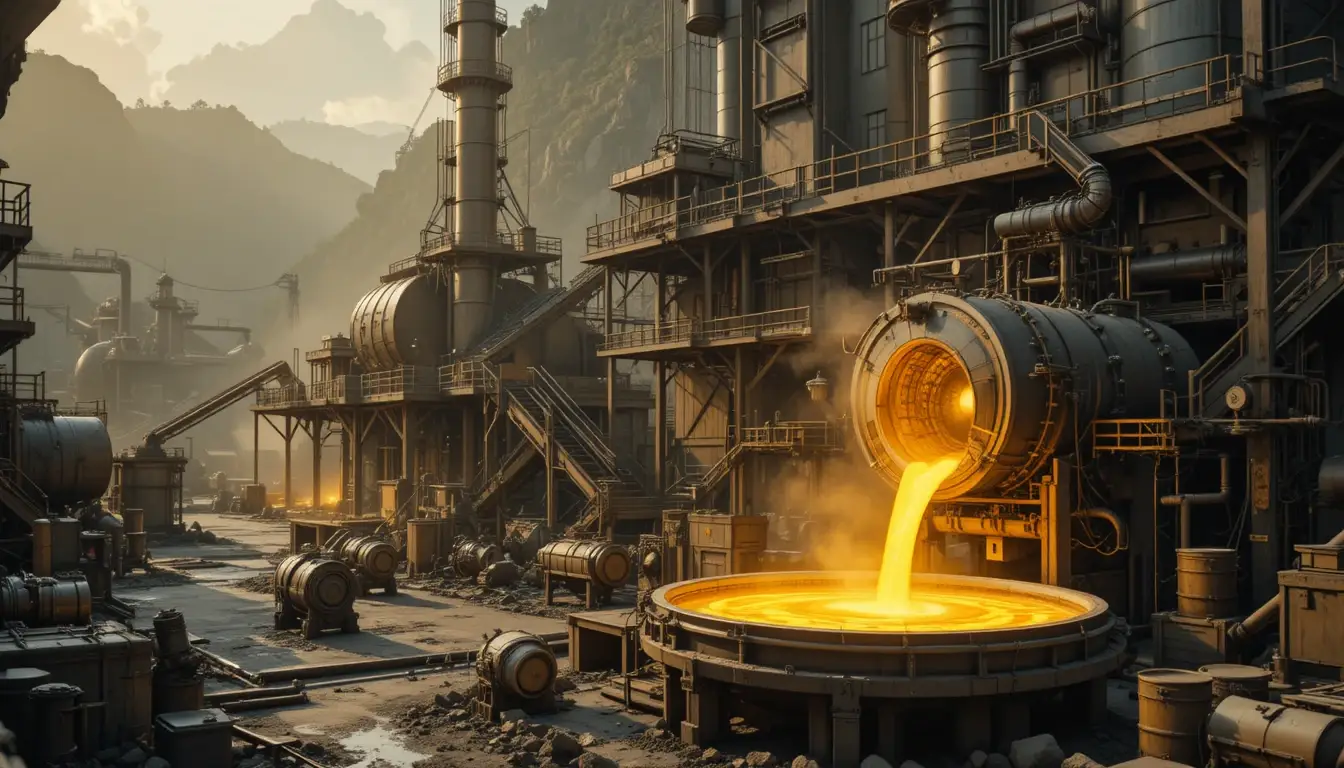
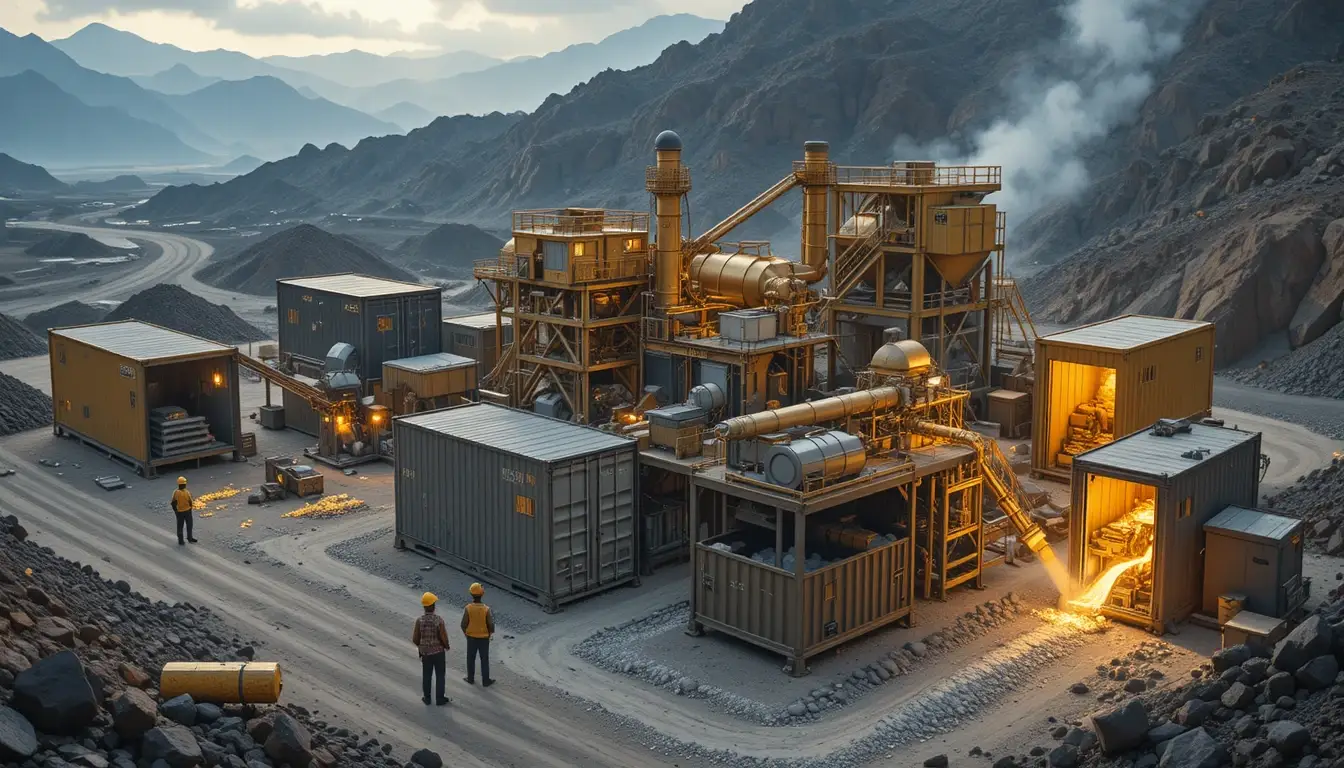
The Precious Metal Refining Plant Cost Breakdown includes all expenses required to extract and purify metals like gold, silver, platinum, and palladium.
Think of refining like filtering dirty water. You start with a mix of impurities, and through several steps, you isolate pure, valuable metal.
Key cost components include:
-
Capital Investment (CAPEX)
-
Operating Costs (OPEX)
-
Energy Consumption
-
Labor & Maintenance
-
Environmental Compliance
Understanding these components helps you avoid hidden costs and maximize profitability.\
2. Types of Precious Metals and Their Refining Needs
Different metals require different refining processes, which directly impacts cost.
Gold
-
Commonly refined using cyanidation or aqua regia
-
High recovery rates
Silver
-
Often refined alongside gold
-
Requires electrolysis for high purity
Platinum Group Metals (PGMs)
-
Complex and expensive refining
-
Multi-stage chemical processing
The more complex the metal, the higher your refining cost.
3. Step-by-Step Refining Process
Understanding the process helps you understand the cost.
Step 1: Crushing and Grinding
Ore is reduced into fine particles.
Step 2: Concentration
Separation of valuable metals from waste.
Step 3: Chemical Treatment
Using chemicals like cyanide or acids.
Step 4: Smelting
Heating material to extract metal.
Step 5: Electrorefining
Final purification to 99.99%.
Step 6: Casting
Molten metal is poured into bars.
Each step adds cost — energy, chemicals, and equipment.
4. Equipment Required for Refining Plant
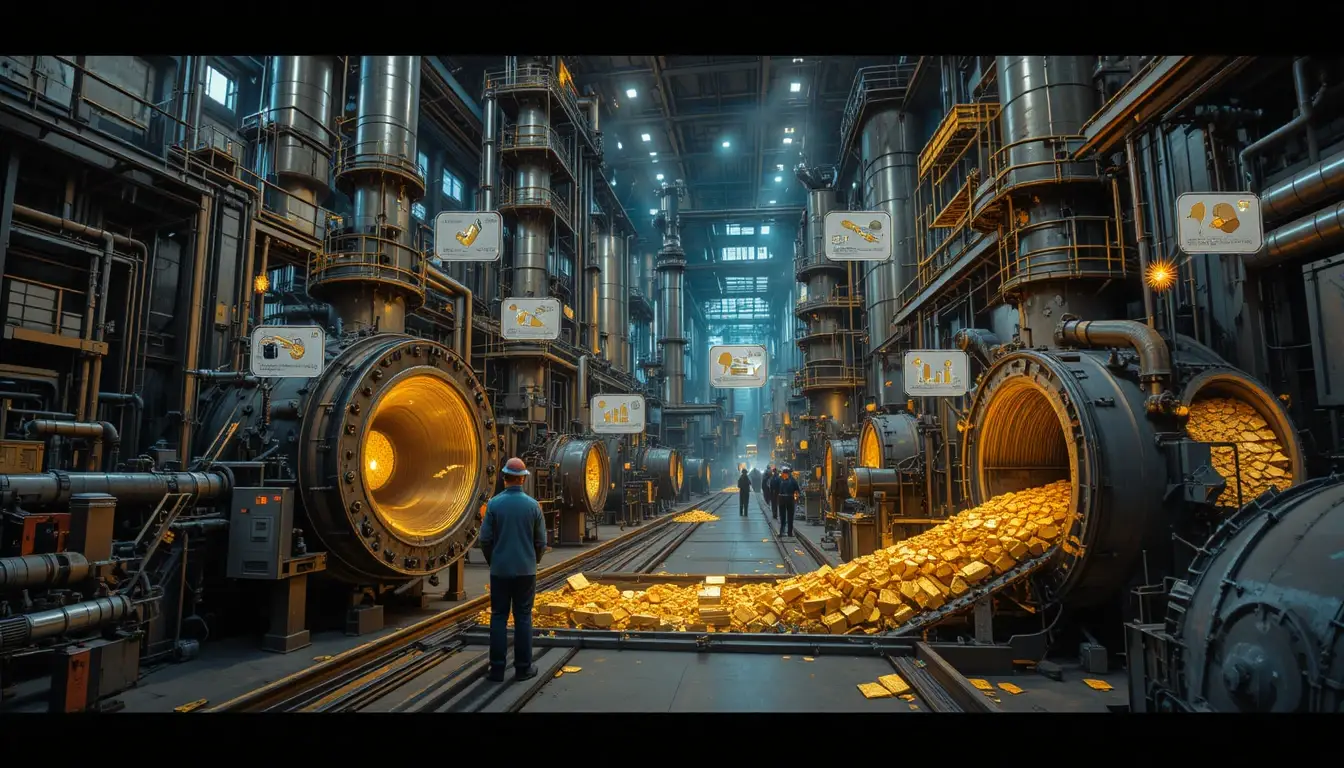
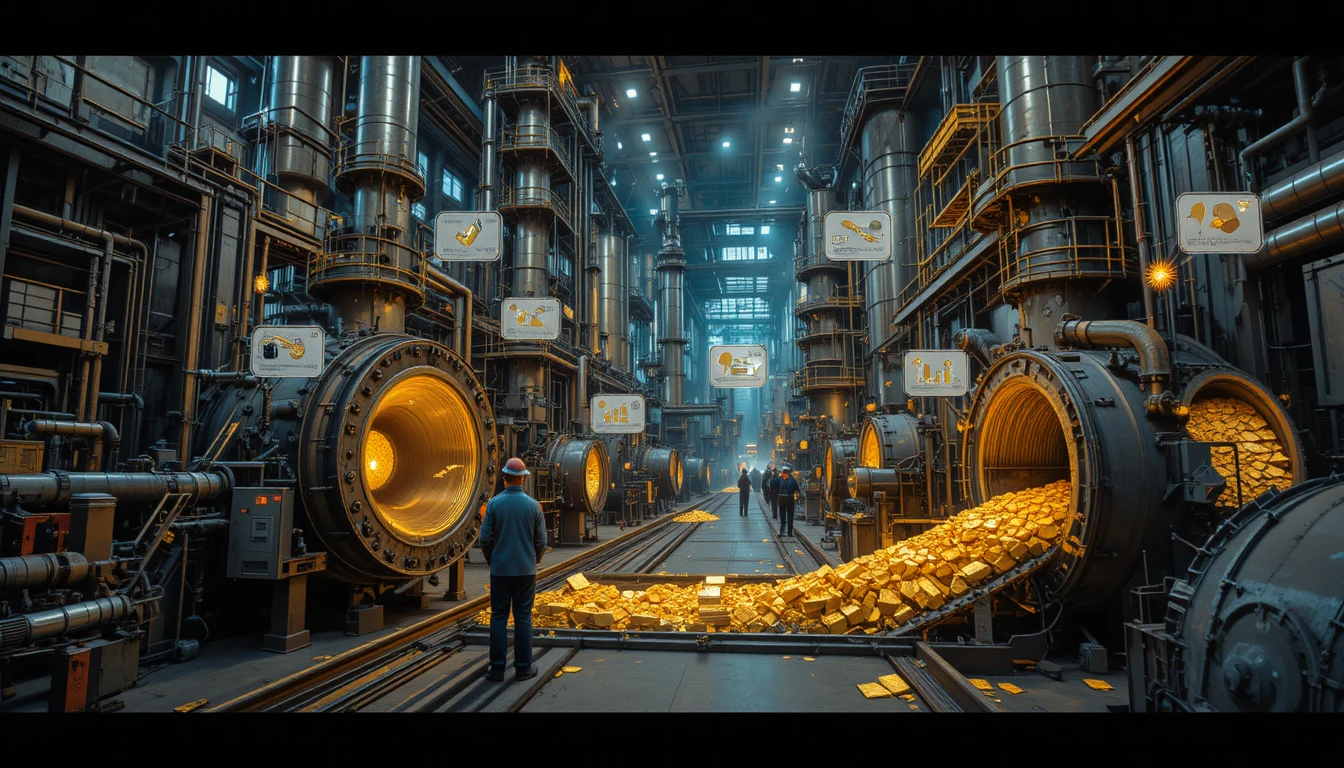
A typical plant includes:
-
Crushers and grinders
-
Ball mills
-
Leaching tanks
-
Agitation systems
-
Smelting furnaces
-
Electrolysis cells
-
Filtration systems
-
Chemical storage tanks
-
Dust collection systems
-
Laboratory testing equipment
Equipment quality directly impacts efficiency and long-term cost.
5. Plant Capacity Options (10–1000 TPD)
Your plant size determines your total investment.
Small Scale (10–50 TPD)
-
Cost: Low
-
Ideal for startups
Medium Scale (50–200 TPD)
-
Balanced cost and output
-
Suitable for regional miners
Large Scale (200–1000 TPD)
-
High capital investment
-
Best for industrial operations
Larger plants benefit from economies of scale, reducing cost per ton.
6. Energy Consumption Analysis
Energy is one of the biggest contributors to the Precious Metal Refining Plant Cost Breakdown.
Main Energy Consumers
-
Crushing and grinding
-
Smelting furnaces
-
Electrolysis units
Typical Energy Usage
-
Small plant: 200–500 kWh/ton
-
Large plant: 500–1200 kWh/ton
Energy costs can account for 20–40% of operating expenses.
7. Land, Infrastructure & Utility Costs
Before operations begin, you must invest in:
-
Land acquisition
-
Civil construction
-
Water supply systems
-
Power connections
-
Waste treatment units
Estimated Cost Range
-
Small plant: $100,000 – $300,000
-
Large plant: $1M – $5M
8. Labor and Operational Costs
Labor depends on plant size and automation level.
Typical Workforce
-
Engineers
-
Technicians
-
Machine operators
-
Safety personnel
Monthly Cost Estimate
-
Small plant: $10,000 – $30,000
-
Large plant: $100,000+
Automation reduces labor but increases initial investment.
9. Cost Estimation (Low, Medium, High)
Here is a simplified Precious Metal Refining Plant Cost Breakdown:
Low Investment Setup
-
Cost: $200,000 – $500,000
-
Capacity: 10–30 TPD
-
Basic technology
Medium Investment
-
Cost: $500,000 – $2M
-
Capacity: 50–200 TPD
-
Semi-automated
High Investment
-
Cost: $2M – $10M+
-
Capacity: 200–1000 TPD
-
Fully automated, high efficiency
10. ROI / Profitability Analysis
Profitability depends on:
-
Metal prices
-
Recovery rate
-
Operating efficiency
Typical ROI Timeline
-
Small plant: 1–2 years
-
Medium plant: 2–4 years
-
Large plant: 3–5 years
Example
If gold price = $60,000/kg
Even 1 kg/day production = $60,000 revenue
Efficient refining can generate strong margins.
11. Comparison with Traditional Methods
| Feature | Modern Plant | Traditional Methods |
|---|---|---|
| Efficiency | High | Low |
| Recovery Rate | 95–99% | 60–80% |
| Environmental Impact | Low | High |
| Cost per Ton | Lower (long term) | Higher |
Modern plants reduce waste and increase profitability.
12. Environmental Benefits
Modern refining plants focus on sustainability.
Key Benefits
-
Reduced emissions
-
Chemical recycling
-
Water reuse systems
-
Lower waste generation
Compliance with environmental laws avoids heavy penalties.
13. Real-World Use Cases / Applications
Mining Companies
Refine extracted ore on-site to reduce transport costs.
Scrap Metal Industry
Recover gold from electronics.
Jewelry Industry
Refine gold for high-purity products.
Investors
Set up refining plants as long-term assets.
14. Key Challenges and Risk Factors
Even with a clear Precious Metal Refining Plant Cost Breakdown, challenges remain:
-
Fluctuating metal prices
-
High energy costs
-
Regulatory compliance
-
Technical expertise shortage
Planning and expert consultation are essential.
15. Internal Linking Opportunities
For better SEO and user engagement, link to:
-
modular refining plant
-
gold refining plant
-
mining setup guide
16. Conclusion
The Precious Metal Refining Plant Cost Breakdown is not just about initial investment — it’s about understanding the full lifecycle cost of your operation.
If you plan carefully, choose the right technology, and optimize your process, a refining plant can become a highly profitable industrial asset.
The key is simple: invest smart, operate efficiently, and scale strategically.
17. FAQs
1. What is the cost of setting up a precious metal refining plant?
The cost ranges from $200,000 for small setups to over $10 million for large-scale industrial plants, depending on capacity and technology.
2. How long does it take to achieve ROI in a refining plant?
Most plants recover investment within 1 to 5 years, depending on production capacity and metal prices.
3. What capacity is best for a new investor?
A 10–50 TPD plant is ideal for beginners due to lower investment and manageable risk.
4. How much energy does a refining plant consume?
Energy consumption ranges from 200 to 1200 kWh per ton, depending on plant size and process efficiency.
5. Is a precious metal refining plant profitable?
Yes, with high recovery rates and strong metal prices, refining plants can generate significant profits, especially at scale.
Read More : https://avimetal.com/2025/06/01/efficient-on-site-processing-the-40-containerized-crushing-milling-plant/